With the world mourning the loss of Pope Francis, a remarkable decision sets his farewell apart. In a historic move that defies century-old traditions, the Pope has chosen not to be laid to rest within the Vatican walls. This unexpected choice highlights Pope Francis’ commitment to reform and individuality, characteristics that defined his papacy.
Pope Francis, known for his humble approach and dedication to serving the marginalized, spent twelve years as the head of the Roman Catholic Church. Throughout his tenure, he often broke away from the traditional practices observed by his predecessors. His final wish was no different. Opting for simplicity, Francis chose a basic wooden coffin instead of the traditional trio of cypress, lead, and oak, signifying a departure from the lavish rituals historically associated with the papal funeral rites.
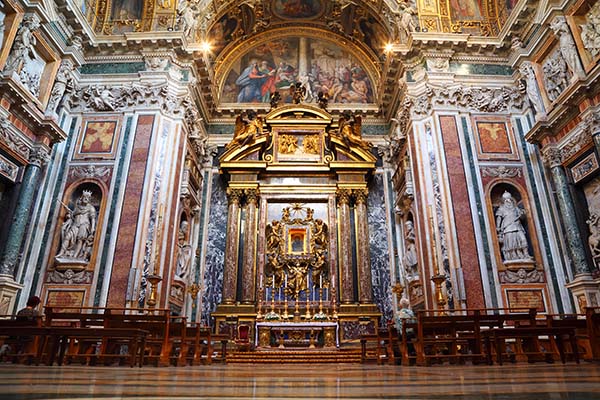
The Pope’s quiet yet profound decision has sparked curiosity and conversation worldwide. Instead of the Vatican Grottoes where past Popes have been buried, Pope Francis will find his eternal resting place at the Basilica of Santa Maria Maggiore in Rome. This decision reflects his profound bond with the iconic Salus populi Romani, an image of the Virgin Mary, which has been a source of inspiration and contemplation for him throughout his life.

The choice is symbolic of the Pope’s lifelong desire to serve the people humbly and actively, even in death. By resting outside the Vatican, Pope Francis leaves a statement that extends beyond theological boundaries, challenging long-standing traditions and emphasizing the human side of papal service.
Vatican Insider Christopher White aptly describes this act as fitting for a Pope who considered himself an outsider, free from the shackles of conventionality. His decision to be buried outside Vatican walls serves as a final testament to his efforts to redefine the role and image of the papacy for future generations.
The choice of burial site not only fulfills a personal desire but also acts as a profound closing chapter to his efforts in reshaping the Church’s relationship with modern society. It poses questions about future policy changes and the evolving nature of traditions within the Catholic Church.
As the church and millions around the world prepare to say goodbye, Pope Francis’ legacy of humility, reform, and openness continues to resonate, making even his burial site a testament to his groundbreaking leadership.