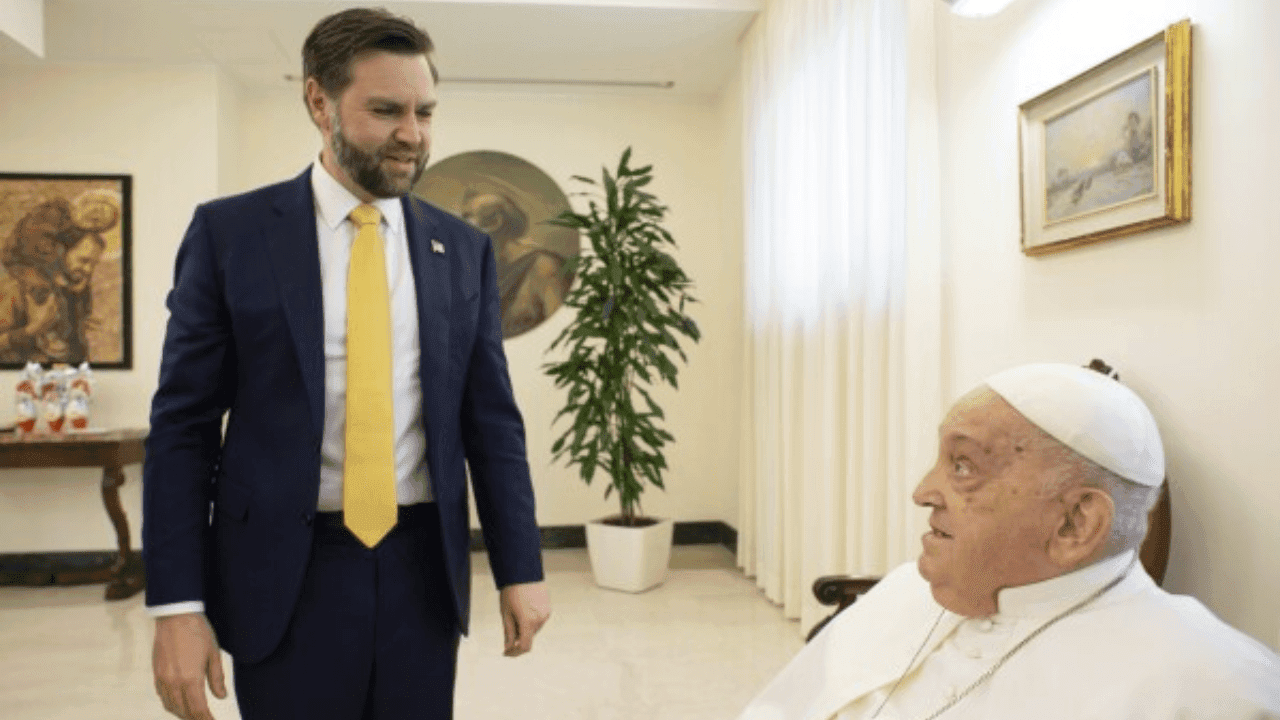
In an unexpected turn of events, JD Vance, the U.S. Vice President, found himself embroiled in an intriguing narrative that intertwined with the Vatican’s corridors of power. Following an uncommon visit to Pope Francis, orchestrated through channels only the high-flyers of U.S. political spheres could access, Vance’s presence coincided with an untimely and somber announcement—Pope Francis had passed away shortly thereafter. This meeting, shrouded in a mix of anticipation and mystery, was initially intended to foster dialogue on policies encompassing environmental and social justice themes. Yet, it took an unprecedented twist no one foresaw.
As the day dawned with promise, Vance’s meeting with the Pope was not the rendezvous typically marked by protocol and prelude. It was a moment of convergence of minds and spirits, where Vance, known for his conservative standpoints, engaged with the Pope, recognized globally for his progressive stance on issues like climate change and poverty. Against the backdrop of St. Peter’s Basilica, they exchanged ideas in a conversation characterized by mutual respect and intellectual candor.
In less than 24 hours after this historic meet, news of the Pope’s demise sent ripples through the Vatican and beyond. The Catholic world was stricken with grief as speculation spiraled regarding the circumstances leading to the Pontiff’s death. While Vatican officials assured that the Pope succumbed to natural causes exacerbated by an existing health condition, the timing prompted waves of curiosity and conspiracy theories among the global community.
Political analysts swiftly connected dots, albeit some tenuous, between the Pope’s robust discussions with Vance and his subsequent passing. However, the dialogue’s content remains confidential, protected by Vatican protocols and diplomatic privacy.
As inquiries into the Pope’s discussions surged, the enigmatic air enveloping the meeting intensified public interest. Skeptics and media outlets conjectured motives and hidden agendas, intertwining politics with ecclesiastical affairs. Yet, the essence of Vance’s audience with the Pope was a testament to the profound respect and exploratory discourse bridging disparate worldviews through dialogue that sought a common ground.
In the days following, the Vatican tightened its communications, articulating that Pope Francis had been under medical observation following the meeting, denoting his age and health as critical factors. Nonetheless, questions linger, driving discussion on the fragile interplay between global power figures and their counterparts in spiritual realms.
As the world reflects on this ephemeral yet pivotal interaction between a U.S. Senator and the leader of the Catholic Church, it bears the lessons of diplomatic engagement across lines of creed and policy—a reminder of our shared humanity despite differences.
Echoes of Vance’s visit and the Pope’s passing will resonate through history, melding politics with the melancholia of a spiritual chapter concluded too soon. Vance, upon returning, issued a statement honoring Pope Francis as a beacon of peace and unity, reflective of the conversation that transcended the political veneer to address the urgent imperative for global collaboration.
In retrospect, while the significance of Vance’s visit remains partly veiled, it cast a rare spotlight on conversations steering world change amidst sacred halls of power.