Peter Tabichi gave away most of his income while teaching science in a rural Kenyan school with limited resources. In 2019, his work earned the $1 million Global Teacher Prize.
Tabichi, a Franciscan brother, taught at Keriko Mixed Day Secondary School in Pwani Village, in Kenya’s Rift Valley. A World Bank interview described how he gave 80 percent of his income to help people living in poverty.
His story was about more than personal generosity. He also worked to help students develop scientific ideas, enter competitions and see possibilities beyond the limits of their school’s equipment.
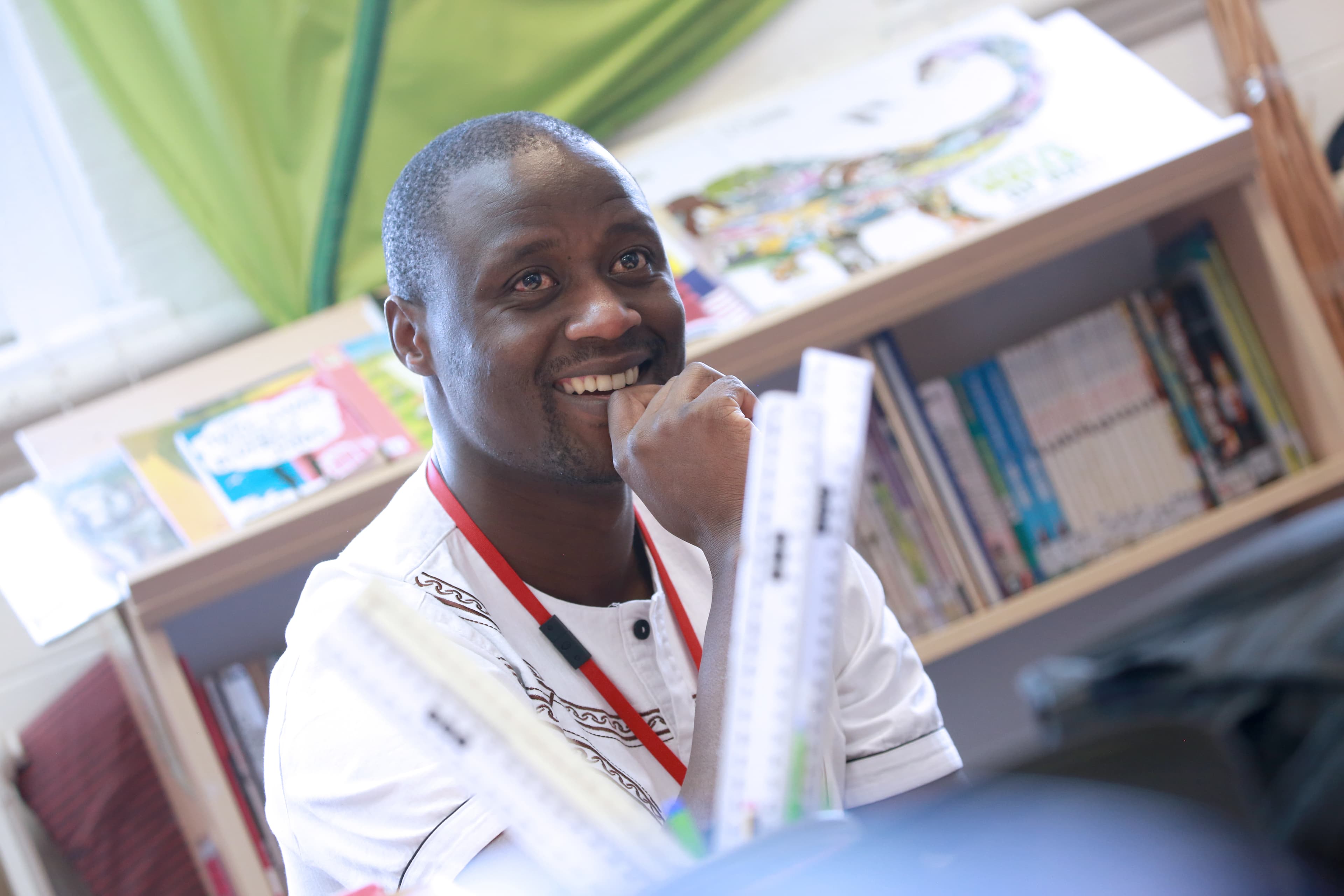
Featured photograph: Peter Tabichi visiting Nelson Primary School in London in October 2019, after his award. Photo: Rich Taylor / DFID, via Wikimedia Commons, CC BY 2.0. Original photograph used without editorial alteration.

Teaching where resources were scarce
The prize organizers’ profile of Tabichi’s work at Keriko described a school with one desktop computer, an unreliable internet connection and a student-to-teacher ratio of 58 to one.
Some pupils walked long distances to attend. Many came from families facing poverty and food shortages.
These conditions affected what students could do before a lesson even began. Reaching school and being ready to learn could require effort that went unseen by people outside the community.
Tabichi and four colleagues provided extra help in mathematics and science, including outside regular classroom hours. They also visited families to better understand the difficulties pupils faced.
Making room for scientific talent
Tabichi helped develop a talent-nurturing club and expand the school’s science club.
The prize profile described pupils designing projects that could compete against work from better-resourced schools. One project helped people with visual or hearing disabilities measure objects.
Students earned recognition in the Kenya Science and Engineering Fair, and a team qualified for the 2019 Intel International Science and Engineering Fair in Arizona.
That progress did not mean the school’s challenges had disappeared. It showed that students could do serious work when they received time, guidance and encouragement.
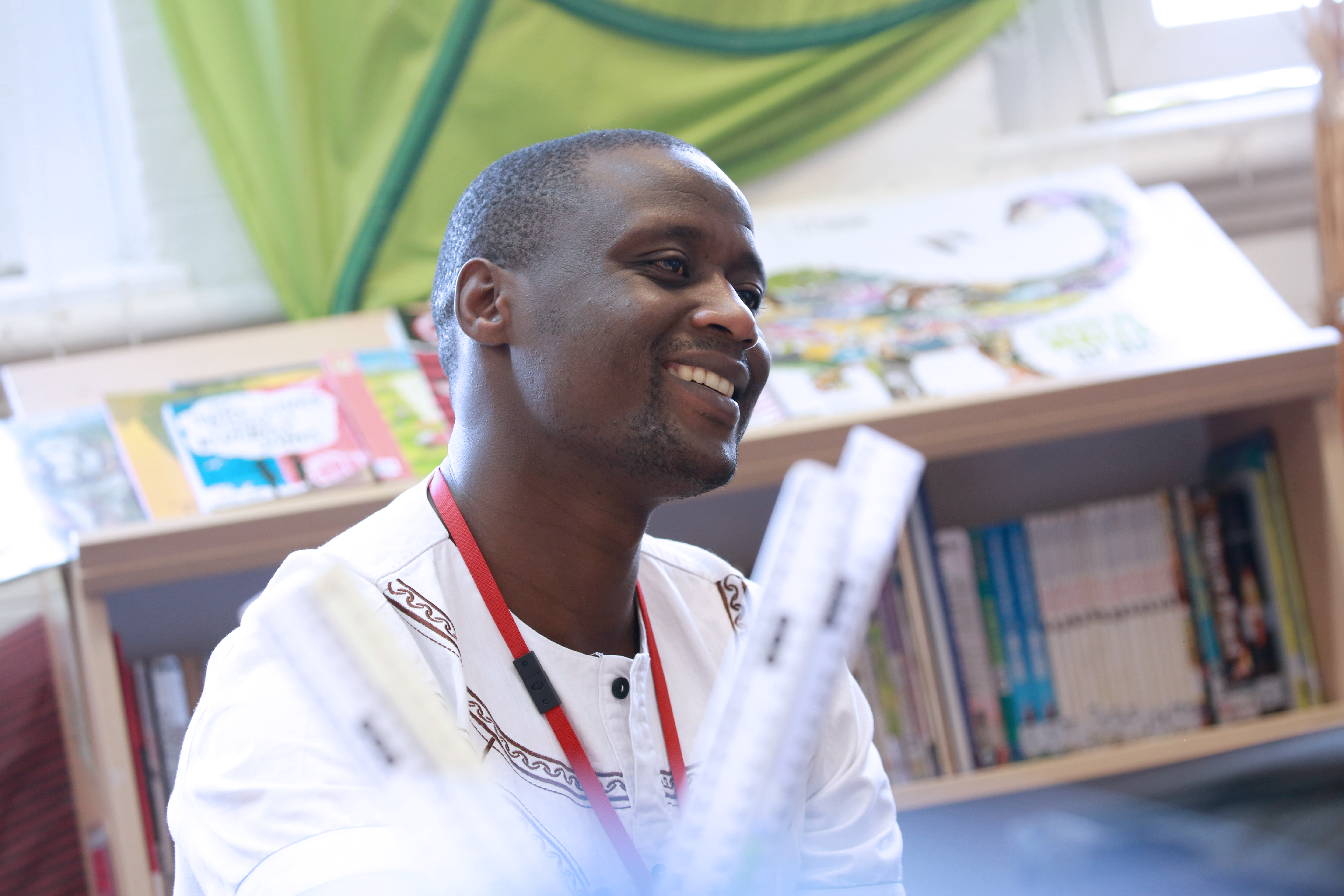
Photo: Rich Taylor / DFID, via Wikimedia Commons, CC BY 2.0. Original photograph used without editorial alteration.

Recognition reached far beyond the school
On March 24, 2019, Tabichi was announced as the Global Teacher Prize winner in Dubai.
Education Week’s coverage placed the award within the Varkey Foundation’s effort to raise the status of teachers and recognize their contribution to communities.
UN Africa Renewal later profiled his work, highlighting the importance of science education and his belief in young people’s ability to help shape Africa’s future.
The award brought global attention to a school far from the best-equipped classrooms. It also gave Tabichi a larger platform to speak about the work teachers do.
Calling him the prize’s 2019 winner is more precise than treating the title “world’s best teacher” as a permanent ranking of every educator.
His work continued through a foundation
Tabichi’s later work extended beyond his own classroom.
A September 2025 biography from the prize organization described him as serving full-time as founder and programme lead of the Peter Tabichi Foundation.
It said the foundation supported teachers in Kenya as they developed inclusive learning resources and professional learning communities. The biography also described community projects supporting water, classrooms, laboratories and information technology.
That follow-up matters. The 2019 ceremony was one milestone in a continuing effort to improve the conditions in which children learn.
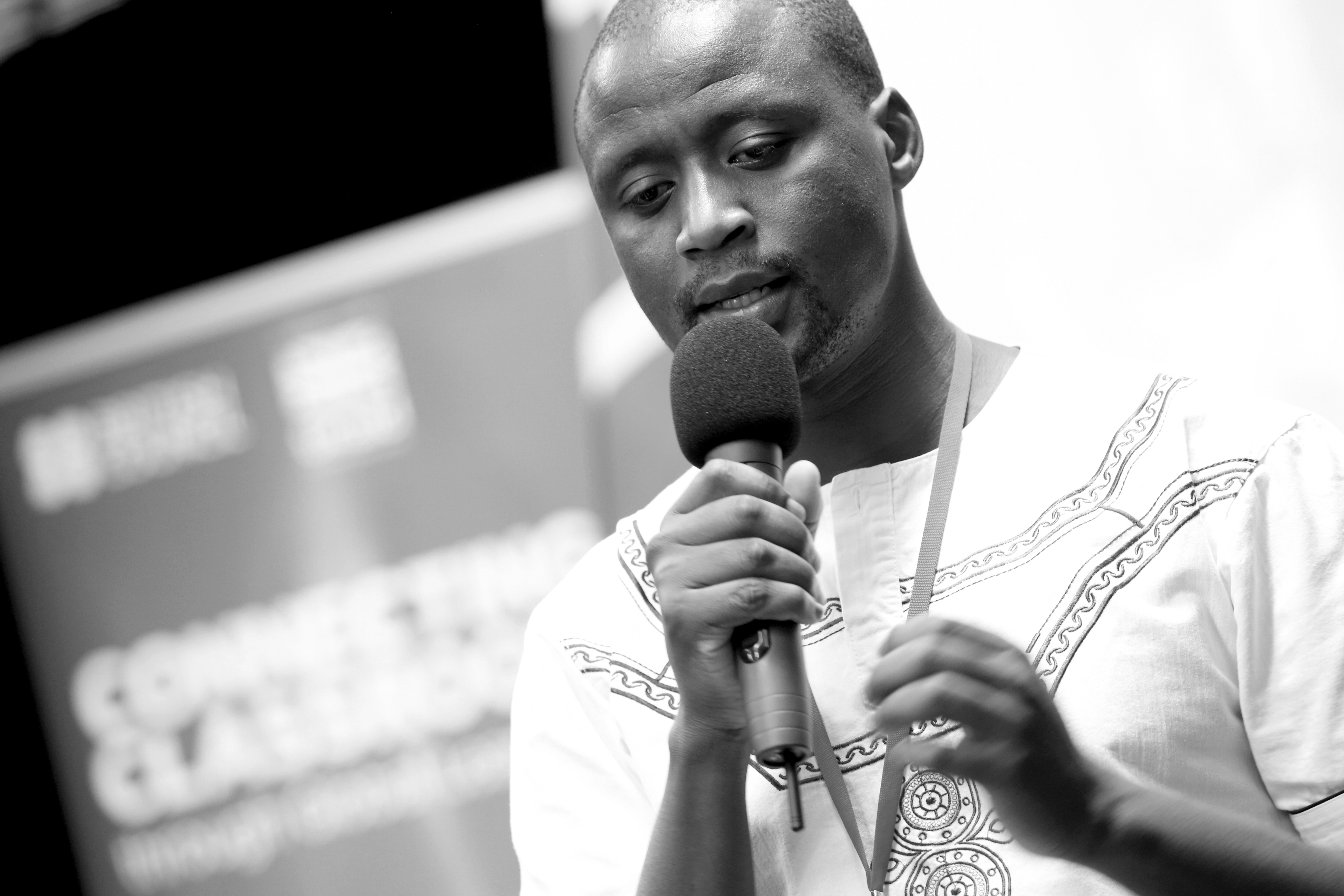
Photo: Rich Taylor / DFID, via Wikimedia Commons, CC BY 2.0. Original photograph used without editorial alteration.

Tabichi’s example combines giving with patient professional work. He helped with material needs, but he also spent time teaching, mentoring and building opportunities for students to test their ideas.
The lasting lesson is rooted in those actions: students facing difficult circumstances still deserve demanding lessons, practical support and adults willing to believe in their ability.