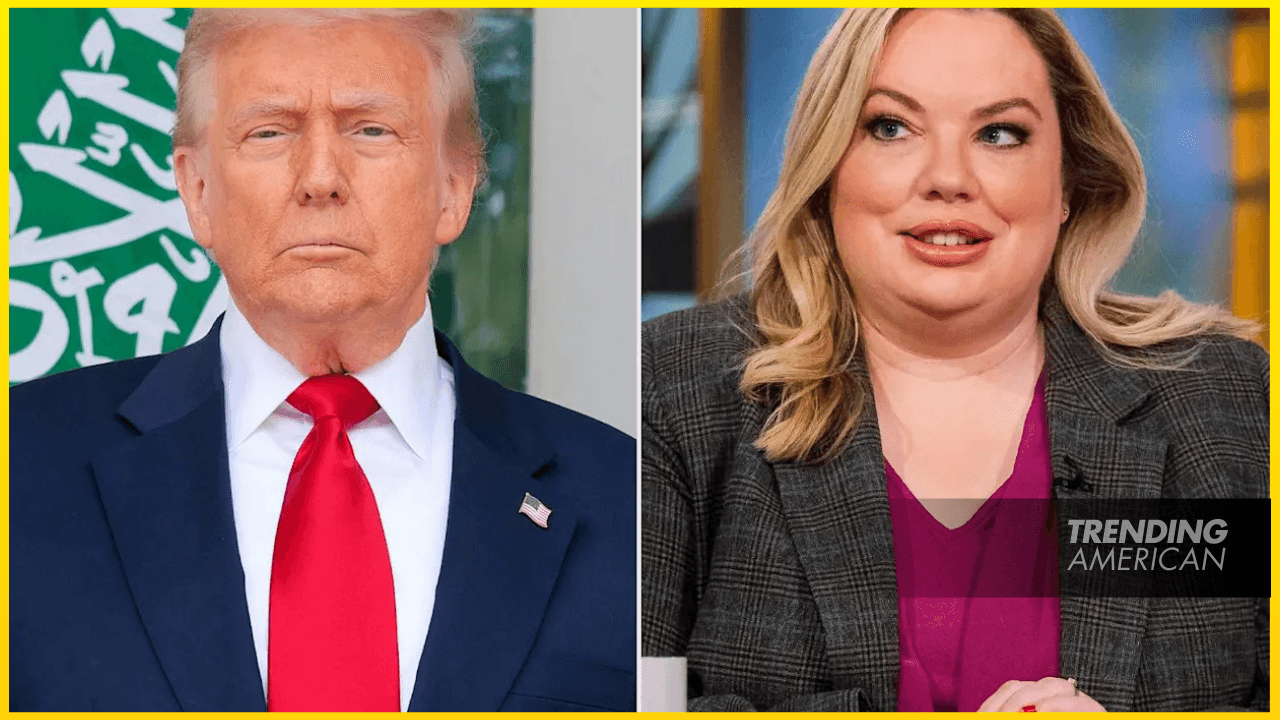
In mid‑November 2025, a New York Times piece examining Donald Trump’s health and energy levels sparked a notable cross‑partisan conversation about the president’s stamina and schedule. The Times analysis, which reviewed Trump’s official engagements over the early months of his second term using data compiled by Roll Call, found a sharp drop in activity compared with the same window in 2017. The report noted a later start to daily agendas, with morning events increasingly pushed into the early afternoon, and a 39 percent decrease in official engagements from the first 10 months of his second term versus the equivalent period in 2017. The piece was part of a broader wave of coverage that has tracked Trump’s physical presentation and activity amidst questions about aging and vitality.
The moment that drew particular attention came on Air Force One, where Trump directed a demeaning remark at a female reporter during a press gaggle after the NYT piece circulated. Accounts from Guardian, Independent, HuffPost and other outlets describe him saying, “Quiet, piggy,” while pointing a finger in her face. The incident quickly became a flashpoint in discussions about Trump’s treatment of the press, especially women reporters.
Trump’s response to the Times report was swift and personal. In a long, excoriating post on Truth Social, he attacked the outlet as “the creeps at the failing New York Times,” claimed the article was a “hit piece” and reiterated his denial of any health concerns. He described the Times as a “cheap rag” and said a NYT reporter he singled out was “a third‑rate reporter… ugly, both inside and out.” He also boasted about a recent “PERFECT PHYSICAL EXAM AND A COMPREHENSIVE COGNITIVE TEST” that he said had been aced, insisting that his health is fine and that the Times’ reporting is “wrong.”
The White House pushed back on the incident, suggesting that the reporter had behaved “in an inappropriate and unprofessional way toward her colleagues on the plane,” and stressed the administration would not tolerate disrespect toward guests or staff. The Times publicly defended its reporting, saying that its work is accurate and based on firsthand reporting, and that name‑calling does not alter the responsibility of a free press to cover the administration.
Observers frame this as part of a broader pattern in which Trump’s confrontations with the media—often directed at women journalists—are used to frame political narratives around health, energy, and accountability. In the days after the Air Force One exchange, a chorus of journalism organizations, including the Society of Professional Journalists, condemned the personal attacks and stressed the vital role of independent reporting in informing the public amid a volatile political moment.
Coverage across outlets—The Guardian’s piece titled Unforgivable: Trump’s piggy insult is stoking more outrage than usual; The Independent’s headline about Trump slamming an ugly NYT writer; HuffPost’s emphasis on the NYT story about aging; and mainstream aggregators like Yahoo and Economic Times—helped sustain a broader conversation about press freedom and the presidency in an era of fatigue‑driven political storytelling.
Beyond the incident itself, the stories underline how media narratives around a president’s health can shape political dynamics. As critics warn about a pattern of hostile conduct toward journalists, supporters may view the attack as a defense of a tough, combative leadership style. Regardless of position, observers agree the episode offered a vivid illustration of how a single moment can ripple through the news cycle when amplified by social media and the 24/7 news ecosystem.
Disclosure: We may earn a commission when you make a purchase through the ads.