
Nuggi needed three stops to catch his breath during a walk of just ten meters. When a veterinarian examined him, the dog weighed 53.7 kilograms, about 118 pounds.
His condition became the subject of an animal-welfare prosecution in New Zealand. In July 2024, the SPCA announced that his owner had received a two-month prison sentence after pleading guilty to failing to meet his needs.
Nuggi’s case is a difficult reminder that giving a pet more food is not always an act of care.
Featured photograph: An overweight senior pug in 2012, not Nuggi. Photo: Pets Adviser from Brooklyn, USA, via Wikimedia Commons, CC BY 2.0. Original photograph used without editorial alteration. The photographer also requests a link to Pets Adviser.

A dog struggling to move
SPCA New Zealand’s account says Nuggi entered its care in October 2021 after police searched a property in Manurewa, Auckland.
Animal control officers observed his difficulty walking from the property to a vehicle. He was later assessed at the SPCA’s Māngere Centre.
The examining veterinarian described breathing problems, fatigue and difficulty moving. The organization said his weight caused severe discomfort and distress.
His owner told inspectors she fed him eight to ten pieces of chicken each day, plus dog biscuits. The SPCA said he had been drastically overfed.
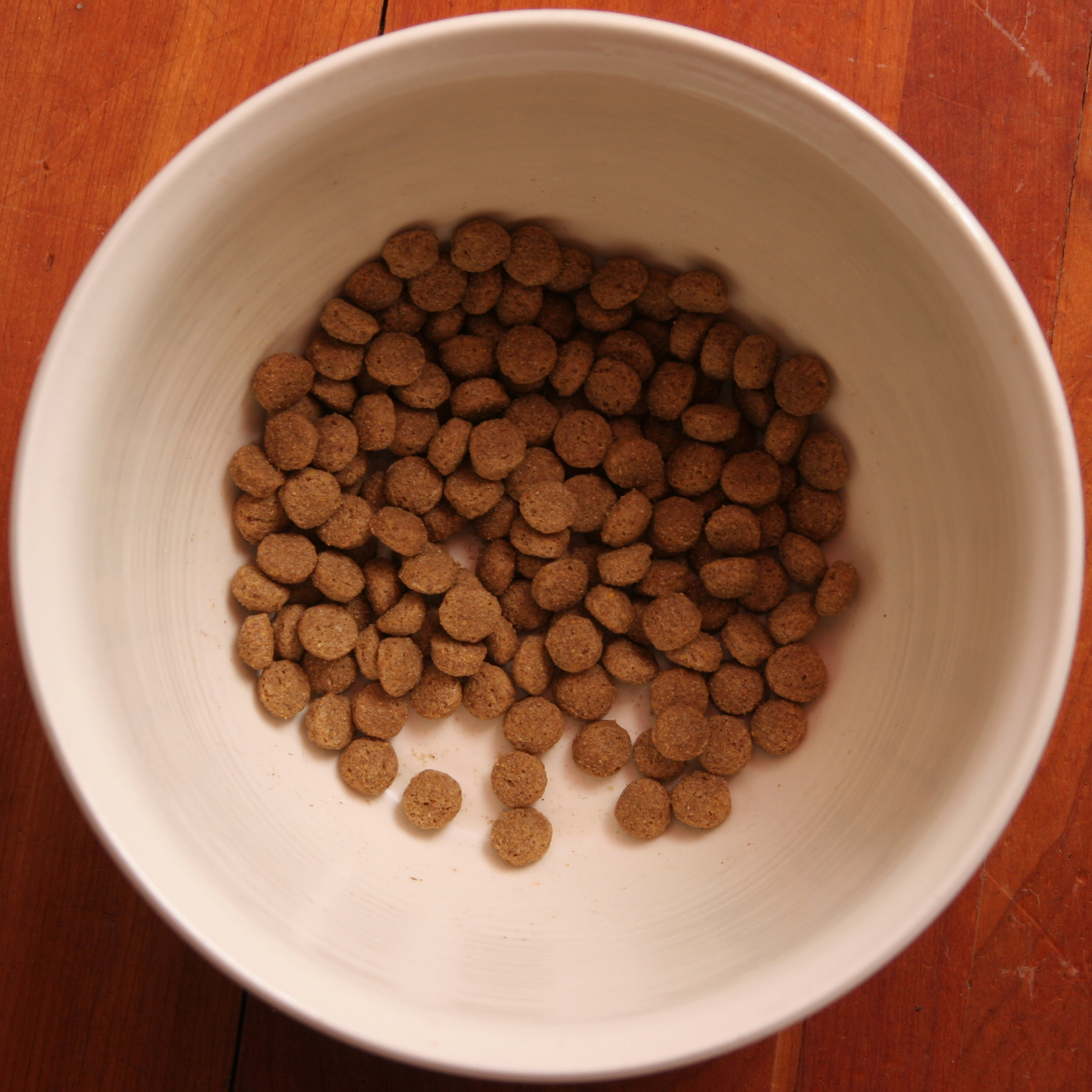
Photo: James Redekop, via Wikimedia Commons, CC BY-SA 2.0. Original photograph used without editorial alteration.

Weight loss did not prevent a sudden death
Nuggi spent about two months in SPCA care and lost 8.9 kilograms.
He then died suddenly. The organization identified the immediate cause as acute bleeding from a ruptured mass on his liver. A post-mortem examination also found liver disease and Cushing’s disease.
Those findings matter. It would oversimplify the medical record to state that extra chicken alone caused the fatal rupture.
Reporting on the case in July 2024 described the owner’s guilty plea and sentence at Manukau District Court. Alongside imprisonment, she was ordered to pay reparations and was disqualified from owning dogs for twelve months.
The prosecution concerned a failure to meet the dog’s physical, health and behavioral needs. The case was reported years after he first entered care, rather than being a new rescue in 2024.
Healthy weight takes individual guidance
The American Veterinary Medical Association’s healthy-weight guidance recommends starting with a veterinarian’s assessment of a pet’s weight and overall health.
A scale reading alone does not provide the full picture. Body condition, medical problems, activity and diet all matter.
The association also recommends gradual, realistic weight-management goals. A veterinarian can tailor a plan to the individual animal and help owners understand portions, treats and exercise.
That is especially relevant when an animal already struggles to move or has other health conditions.
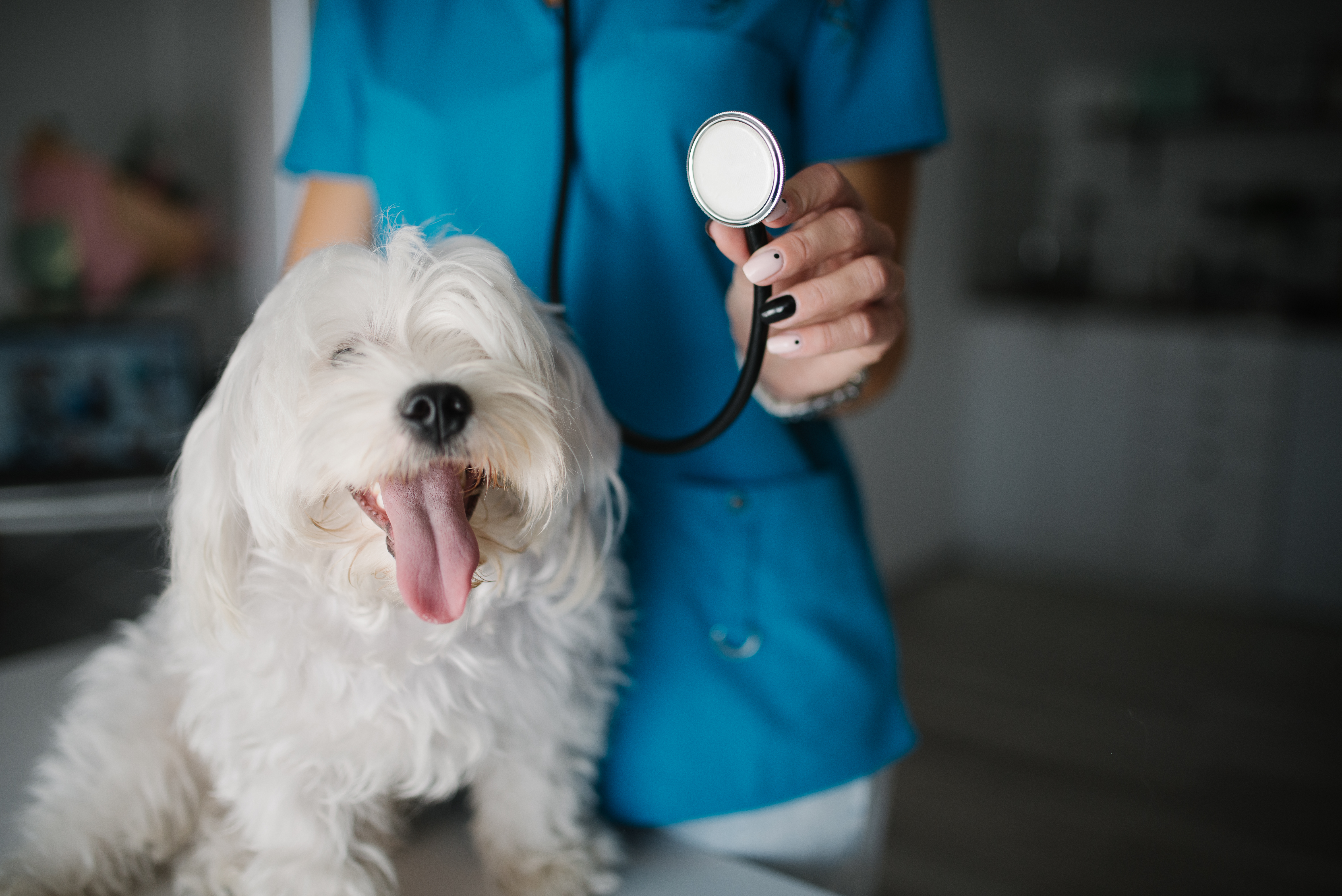
Photo: Nenad Stojkovic, via Wikimedia Commons, CC BY 2.0. Original photograph used without editorial alteration.

Care includes knowing when to seek help
The AVMA emphasizes that a healthy-weight plan needs the household’s cooperation. Extra treats and table scraps can undermine it even when they are offered with affection.
Food is only one way to show care. Attention, appropriate activity and regular veterinary support also help meet an animal’s needs.
Nuggi’s story ended despite treatment and weight loss. Retelling it accurately means acknowledging both his severe obesity and the other medical findings.
Its practical lesson is to notice when a pet’s health or movement is changing, and seek qualified help rather than assume that a full bowl means all is well.