Felix Grétarsson waited more than two decades for an operation that could give him arms again. When surgeons in Lyon performed his transplant in January 2021, the achievement was extraordinary—but the work of learning to move was only beginning.
An electrical accident in Iceland in 1998 had cost him both arms. His later treatment brought together a donor's gift, complex surgery and a demanding programme of rehabilitation.
What the operation actually involved
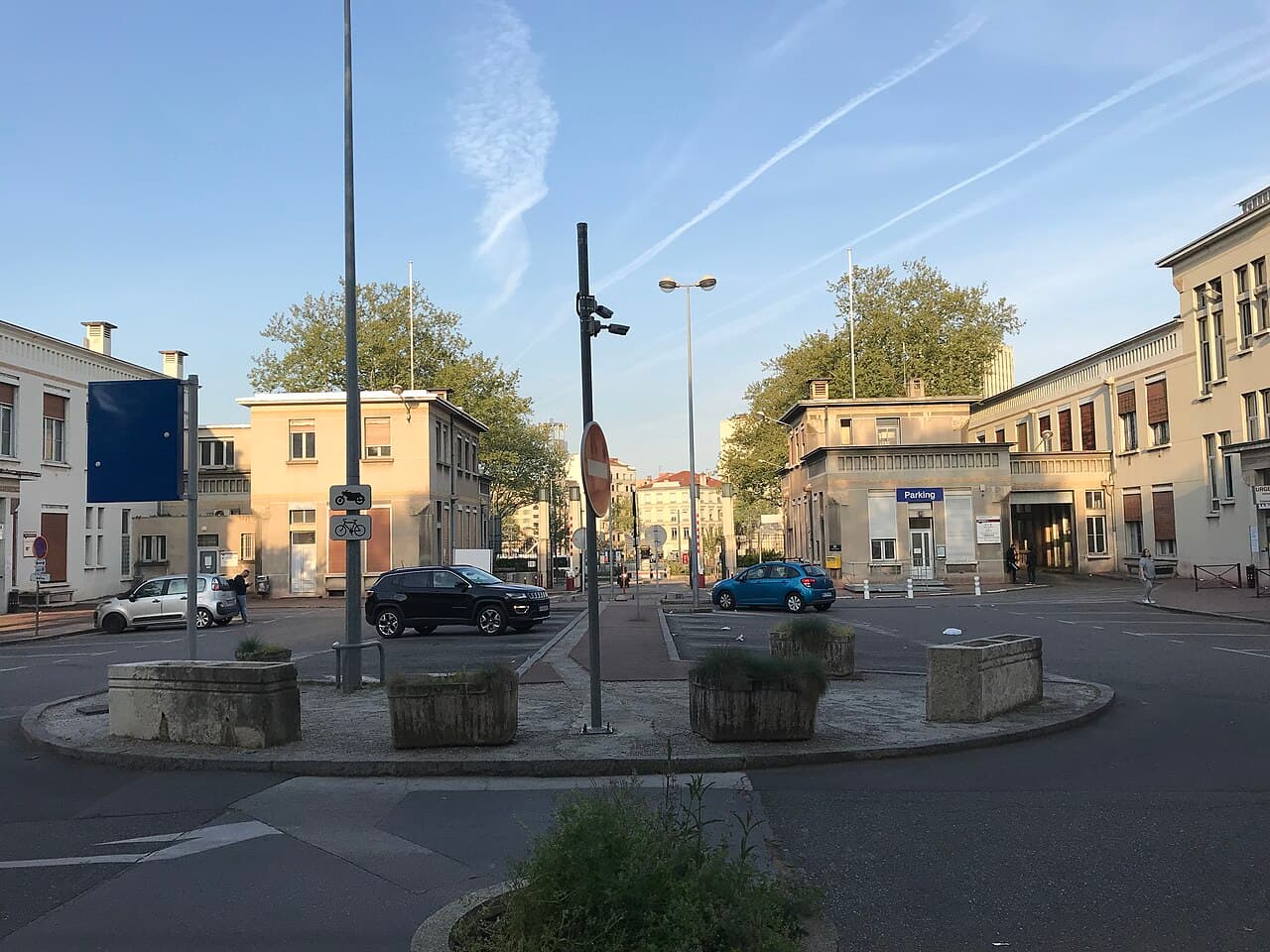
The transplant took place on January 13, 2021, at Édouard-Herriot Hospital. A hospital-issued surgical account describes an operation lasting nearly 15 hours.
It also makes an important distinction: the left transplant was at shoulder level, while the right was high in the upper arm. Describing the procedure as two identical complete shoulder replacements misses that difference.
Recovery measured in small movements
Attaching a limb does not immediately restore normal movement. Healing, nerve recovery and repeated practice are part of a much longer process. The hospital account also explains that lifelong immune-suppressing treatment is necessary to protect the transplant.
By April 2022, clinicians reported that Grétarsson could bend and straighten both elbows. In an APMnews interview with his care team, surgeon Aram Gazarian said the functional gains exceeded their expectations.
A milestone with a human scale
Hospices Civils de Lyon marked five years since the transplant, returning to the story through follow-up coverage of his care. That continuing attention is a reminder that a transplant's outcome cannot be judged on the day of surgery alone.
The achievement belongs to more than an operating theatre. It also belongs to a donor and family, rehabilitation specialists and a patient willing to keep practising after the headlines moved on. In this story, progress is measured in movements that many of us rarely stop to notice.
Photograph credits
- Photograph 1: Benoît Prieur, CC0. Resized; captions identify contextual images.
- Photograph 2: Benoît Prieur, CC0. Resized; captions identify contextual images.

