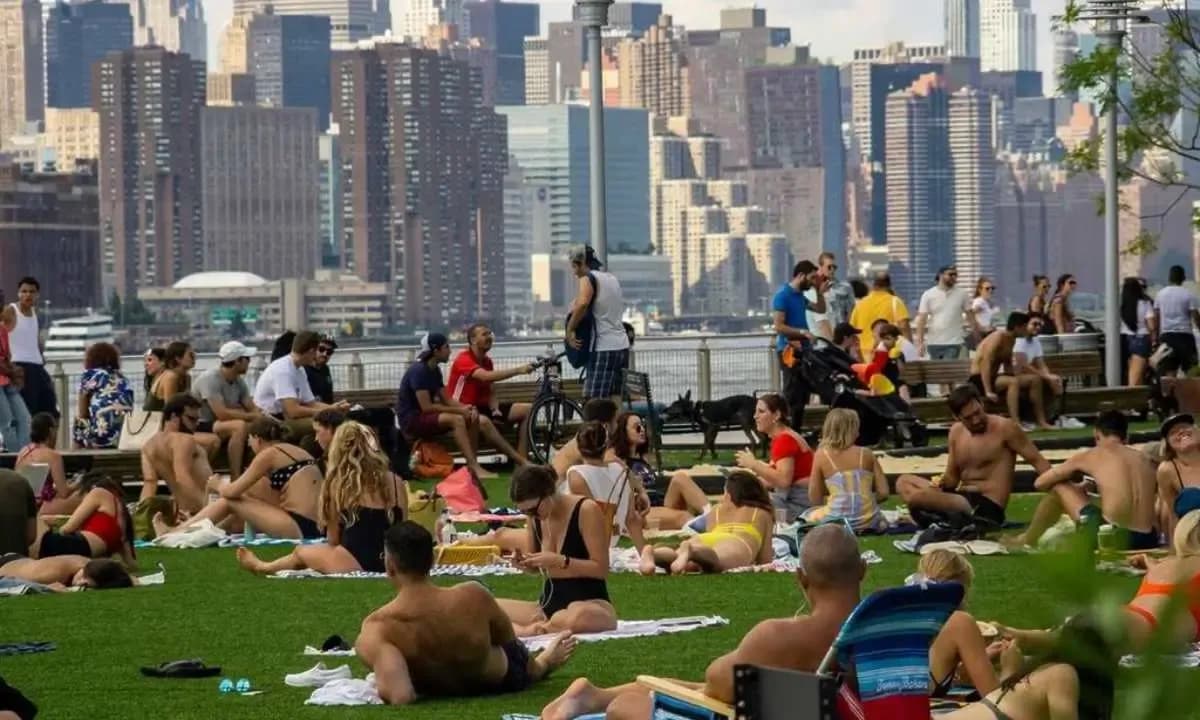
A few decades ago, no one would have guessed that New York City—the city of snowy winters, thick coats, and frozen sidewalks—would one day be called “subtropical.” But now, scientists have confirmed it: NYC has officially crossed the line. It’s not just an unusual summer or two—it’s a long-term shift backed by climate data, changing weather patterns, and even the kinds of trees growing on city streets.
The first signs were subtle. One spring in the early 2000s, Brooklyn Botanic Garden’s fig trees were accidentally left unwrapped through the winter. Normally, that would’ve killed them. But instead of damage, the trees flourished. That same year, they produced a record harvest of ripe figs. This moment caught the attention of arborists and gardeners alike—figs, camellias, and even tropical perennials were surviving without winter protection. Something had changed.
Now, after five consecutive years with average summer temperatures above 72°F (22°C) and average winter temperatures above 27°F (-2.8°C), the data confirms it. NYC’s climate meets the scientific definition of a humid subtropical zone under the Köppen classification system.
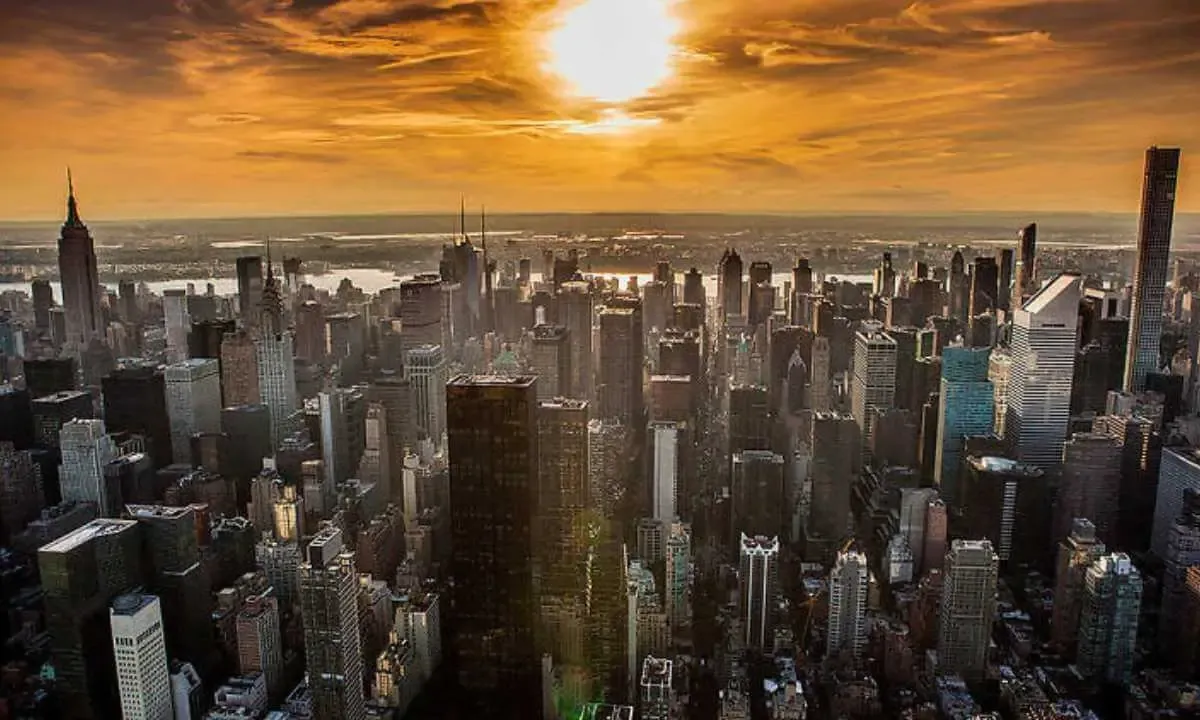
That may seem strange for a city known for cold, snowy winters. But the truth is, those classic New York winters are getting shorter and warmer. Spring is arriving earlier, fall stretches longer, and the crisp four-season cycle many locals grew up with is starting to fade. In 2025, the winter average temperature from January through March was 37.7°F—well above the subtropical threshold. And the summer of 2024 had an average of 76.6°F. That’s more than just a hot spell—it’s a new normal.
What’s driving this change? It’s partly geography, but mostly people. NYC is one of the best examples of the “urban heat island effect.” The city’s buildings, roads, and endless pavement trap heat during the day and release it at night, making urban areas 1–7°F hotter than nearby rural zones. That extra warmth, especially in winter, pushes the city into a different climate category than its neighbors. While towns just outside the five boroughs may still get deep freezes, NYC often stays a few degrees warmer.
Even the subway system feels it. In summer, some underground stations reach over 104°F (40°C), heated by trains, poor ventilation, and the concrete jungle above. It’s one of the most intense signs of how heat lingers in the city.
Looking at the bigger picture, New York’s changing climate mirrors global trends. Climate scientists say that since 1981, temperatures in the city have already risen several degrees. By the 2050s, the city could face 57 days a year above 90°F (32°C), compared to around 18 days today. By the 2080s, average temperatures could rise by nearly 10°F.
Along with heat, NYC is also seeing more intense storms. Warm air holds more moisture, leading to heavier downpours that often overwhelm the city’s infrastructure. Rainfall is consistent throughout the year—averaging around 50 inches annually—with spring being the wettest season. But summer thunderstorms, fed by warm southern air, have become more common and more violent.
This shift affects more than just comfort levels. Native trees like maples and birches are struggling, while southern and tropical species—such as crepe myrtle, camellias, and Asian plants—are thriving. Invasive pests like the spotted lanternfly and Japanese knotweed are spreading faster thanks to fewer freezing days.
The city is responding with adaptation plans. After declaring a climate emergency in 2019, NYC began investing in solutions like seawalls, green roofs, and reinforced subway systems to face rising seas and frequent storms. These steps are vital, as sea levels are expected to rise about 1.2 inches per decade.
Interestingly, New York shares its new climate label with cities like Tokyo, São Paulo, and New Orleans. Yet, unlike those places, NYC’s subtropical identity doesn’t come with beaches and palm trees—at least not yet. But it might not be long before Central Park becomes home to more southern species and once-exotic flowers bloom without greenhouse help.
The change is clear if you know where to look. Gardeners are planting differently. Birds migrate at new times. Spring festivals now arrive weeks earlier than they used to. Residents might not feel it day-to-day, but slowly and surely, the identity of the city’s seasons is shifting.
Whether this change feels exciting or worrying depends on your perspective. For some, it’s amazing to grow figs in Brooklyn. For others, it’s a wake-up call that the climate crisis isn’t a distant threat—it’s happening right on their doorstep. Either way, one thing is certain: New York City is evolving before our eyes.