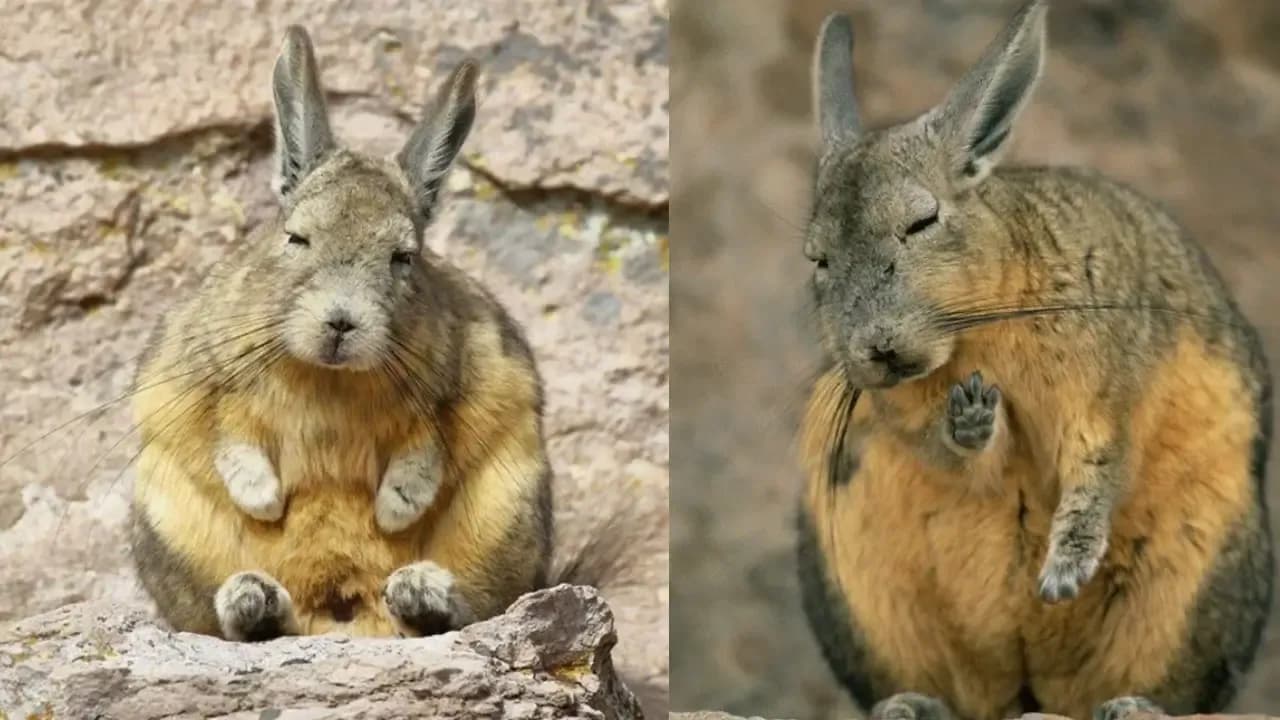
At first glance, you might think this sleepy-faced animal just pulled an all-nighter. But meet the viscacha – a real rodent from South America that looks like it’s perpetually tired of life.
Closely related to the chinchilla, the viscacha (pronounced vih-SKA-chuh) has become an internet favorite thanks to its droopy eyes and weary expression. Whether it’s lounging on a rock or just existing, this rabbit-like rodent seems like it desperately needs a nap and the internet can’t get enough of it.
Its expressions are so human-like that people often compare it to someone waiting for coffee to kick in.
Photographers have captured them in all sorts of hilarious poses eyes half-shut, arms tucked in, looking completely over it.
Their popularity has led to thousands of memes, reaction images, and viral tweets.
Even though most people have never seen one in real life, viscachas have managed to become the face of universal exhaustion.
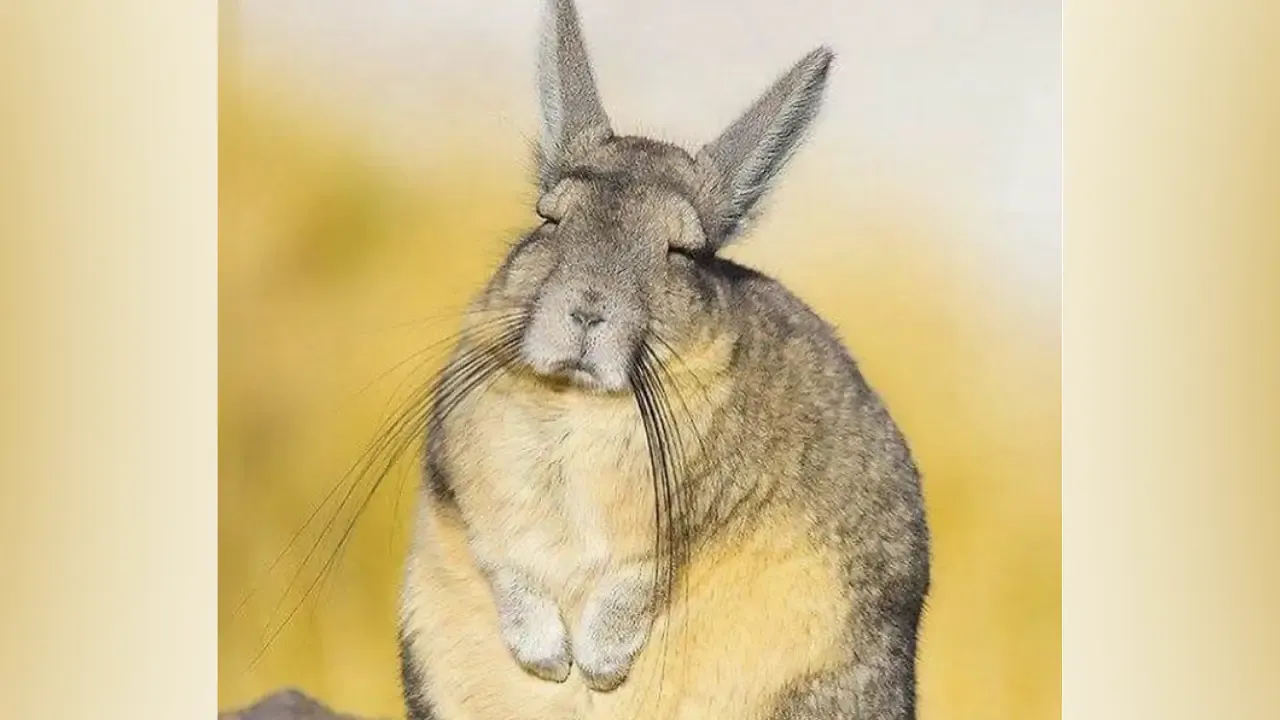
Image credit: goblinkoenig
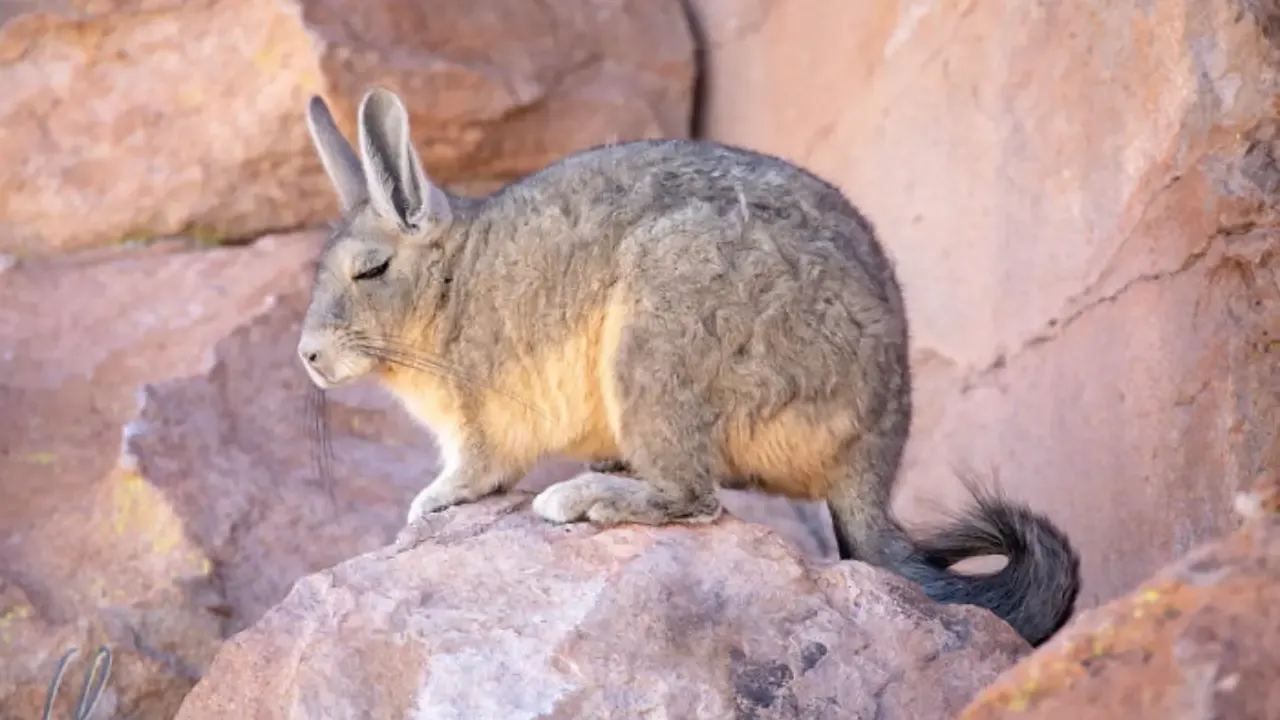
Image credit: WITTMANN TOURS
There are four species of viscacha, but the two that usually go viral are the plains viscacha (Lagostomus maximus) and the mountain viscacha (Lagidium species). These animals live in the Andes Mountains, particularly across Argentina, Bolivia, Peru, and Chile.
Despite their mopey appearance, viscachas are far from lazy. They’re active during the day and are often seen bouncing across rocky outcrops with surprising speed and grace.
Their powerful hind legs allow them to scale steep cliffs with ease, and when danger approaches, they respond quickly darting into hiding spots with sharp awareness. They often live in social colonies, grooming each other and basking in the sun.
So, while they may look like burnout personified, they’re actually just very chill animals who know how to take it easy.
Their meme-worthy looks have turned them into unexpected internet stars, symbolizing everything from post-work fatigue to Monday morning dread. In a world where burnout is all too real, the viscacha’s face says what we’re all feeling.
And honestly? Same. Their faces have been used in reaction memes, wellness posts, and even mental health awareness campaigns. What makes them so universally appealing is how effortlessly they capture the emotional rollercoaster of modern life.
The viscacha may not say a word, but somehow, it speaks volumes.