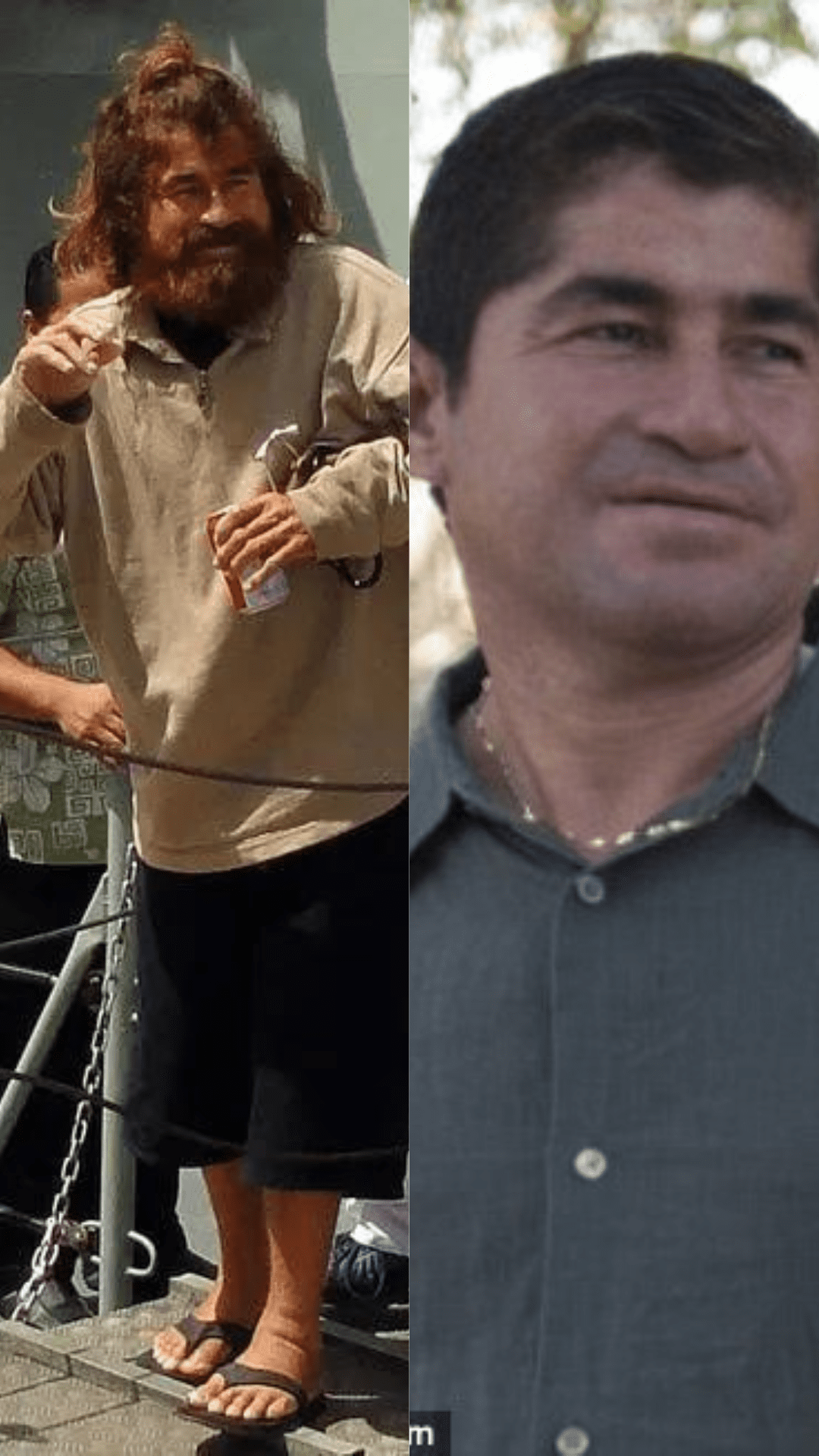
He was just 28 years old, a music-producer with a life ahead of him, when everything changed. Isaac Wright Jr. was arrested in 1989 in New Jersey, accused of leading a massive cocaine distribution network. In 1991 he was convicted under the state’s drug “kingpin” law and handed a life sentence with decades more tacked on.

Inside the prison walls, his world shrank. He found himself wrongly branded a criminal, locked away for a crime he insisted he did not commit. For more than seven years he lived behind bars, carrying the weight of a conviction that should never have been.
If you’d been in his shoes you might have accepted the sentence, given up. But instead, he chose to fight. He began studying law inside prison reading legal books, analysing cases, helping other inmates with their appeals. He transformed his despair into action.
This wasn’t just an academic exercise. Wright used his self-taught legal knowledge to craft a bold strategy. He filed legal papers, represented his own interests, and started to expose what he had long suspected: that the case against him was built on misconduct. It turned out that the prosecutor, Nicholas L. Bissell Jr., and his detectives in Somerset County, New Jersey, had engaged in illegal search and seizure, false witness deals and cover-ups.
In December 1997 a trial court reversed his remaining convictions, finding that police officers had concealed evidence of illegal drug seizures and the prosecutor had hidden plea-deal arrangements that induced false testimony. The indictment was dismissed and Wright was freed.
Once free, Wright did not stop. He earned a Bachelor of Science in Human Services, then a law degree from St. Thomas University School of Law in 2007. He passed the bar in New Jersey in 2017 making him the first person in U.S. history to go from a life sentence, to exoneration, to practicing law by the same system that once condemned him.

Meanwhile, the prosecutor whose office sent him to prison was exposed and convicted of federal crimes including tax fraud, mail fraud and abuse of power. He fled under tracked monitoring and died by suicide in 1996 while on the run.
Wright’s story has been adapted for television (the ABC series For Life, premiered in 2020) and stands as a vivid example of how one man turned unjust confinement into the tools of justice.
What makes this story hit so hard for our weird-and-odd-story crowd is the ironies, the transformation and the rare twist: the man who was judged now became a lawyer. The system that locked him up ended up being confronted by him. It’s shocking but true.
There’s also a human lesson here. When everything seems lost, knowledge and perseverance still matter. Wright could’ve easily accepted defeat. He didn’t. He learned the law inside prison. He used the system to dismantle part of the system that destroyed his life. It’s a strange turn of fate.
And it raises wider questions: how many others are still locked away because of misconduct or unfair trials? How often do the actual prosecutors or judges face consequences? Wright’s case shows what is possible but it’s still the exception, not the rule.