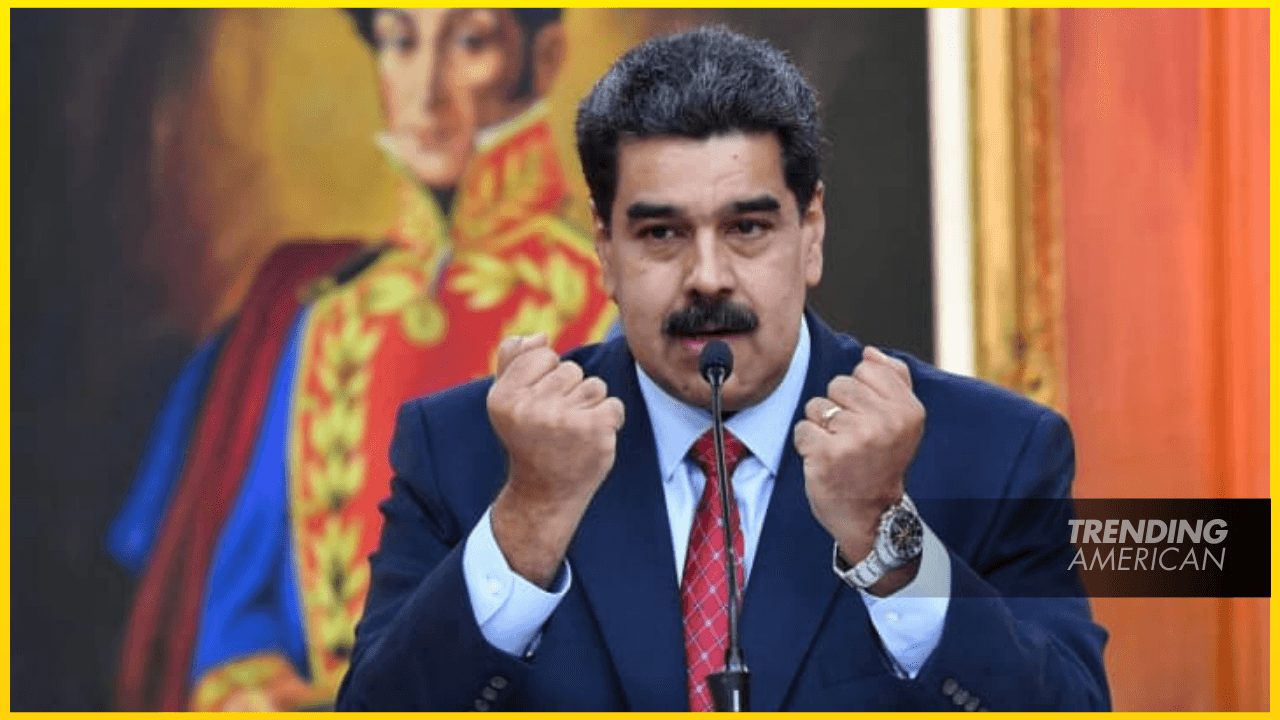
Venezuela’s President Nicolás Maduro has publicly accused the United States of trying to seize the country’s vast oil assets, arguing that comments from Donald Trump reveal a motive of regime change and resource extraction. Maduro’s framing comes as U.S. sanctions and maritime pressure have intensified, with occasional tanker seizures and blockades reported near Venezuela’s coast. Washington, for its part, says its actions are aimed at stopping illegal drug trafficking and challenging Maduro’s legitimacy, not primarily at grabbing oil.
Venezuela holds what are among the world’s largest proven oil reserves—about 303 billion barrels—but current production is modest. In November 2025, output stood around 860,000 barrels per day, roughly a third of what it was a decade ago. The decline reflects decades of state control over PDVSA, a brain drain of experienced staff, and a tightening web of sanctions that have limited investment and access to parts and technology.
Despite a hostile sanctions regime, some Western firms, including Chevron, remain active in the country under licenses and waivers granted in a shifting policy environment. Chevron accounts for a notable share of Venezuela’s production, and refiners in the U.S. Gulf Coast are keen on Venezuela’s heavier crude, which is typically less expensive to process. Yet the overall path to a revival of oil output is uncertain and costly: analysts estimate tens of billions of dollars in investment and potentially a decade to raise output to meaningful levels. Infrastructure shortcomings, persistent sanctions, and geopolitical considerations such as possible OPEC membership further complicate the outlook.
Analysts caution that oil may be a factor in U.S. policy, but it is not the sole driver. White House officials have consistently framed their campaign as rooted in anti-drug trafficking and a bid to pressure Maduro’s regime, not as a bare oil grab. Observers say the real dynamic likely involves a mix of strategic interests: economic leverage, regional influence, and the ongoing rivalry over control of a country endowed with one of the world’s largest oil endowments.
As the world monitors tanker moves, sanctions, and public rhetoric from Caracas to Washington, Venezuela remains at a crossroads: with enormous oil potential but production and investment hampered by sanctions and governance challenges.
Disclosure: We may earn a commission when you make a purchase through the ads.