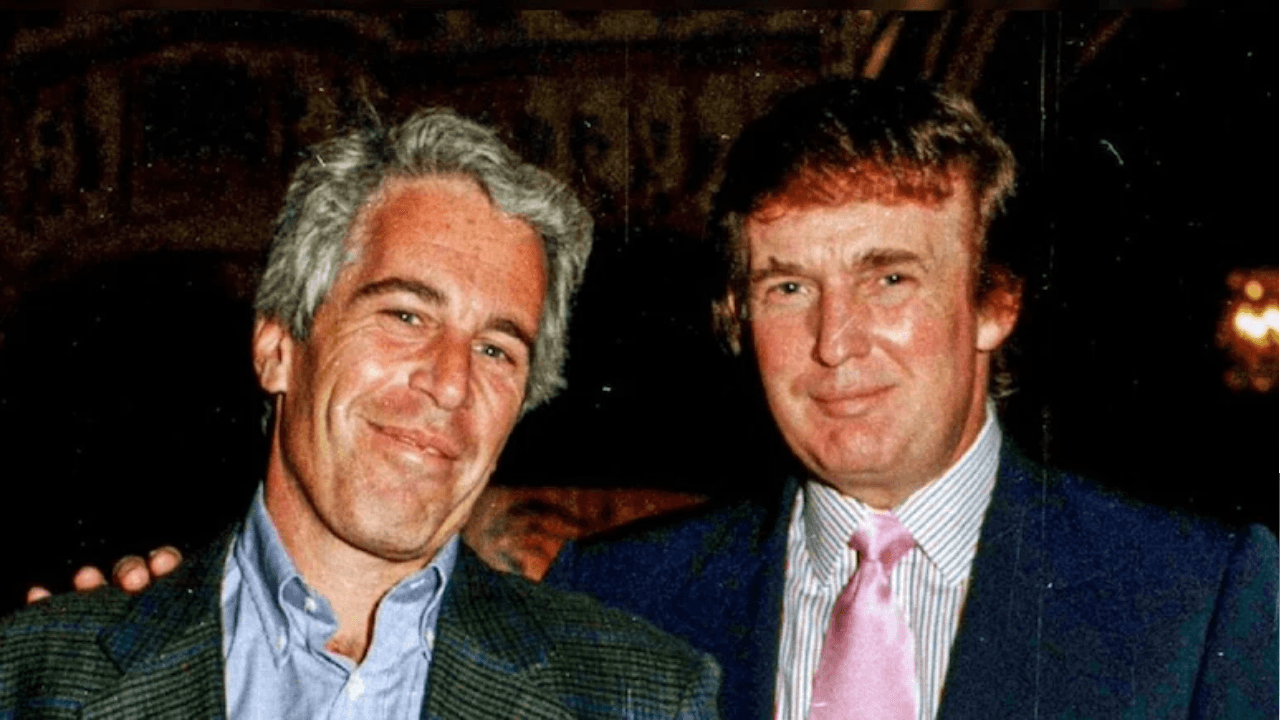
The Justice Department said Friday it is releasing more than three million pages of records from its investigative files on Jeffrey Epstein. The disclosure comes under a new federal law designed to shed light on what the government knew about Epstein’s sexual abuse of underage girls and his ties to powerful figures.
Deputy Attorney General Todd Blanche announced the release at a news conference, calling it the result of months of review work. The records include more than 2,000 videos and about 180,000 images, along with millions of pages of documents now posted on the department’s website.
What the New Epstein Files Include
According to the Justice Department, the release includes investigative records that were not part of an initial document dump in December. Officials said the total number of records under review grew to roughly six million pages once duplicates were included.
Blanche said the materials were released under the Epstein Files Transparency Act, a law passed after intense public and political pressure. The law requires the government to disclose records related to Epstein and his longtime associate Ghislaine Maxwell.
“Today’s release marks the end of a very comprehensive document identification and review process,” Blanche said. He added that the goal was transparency and full compliance with the law.
Limits and Redactions Remain
The department said some information remains withheld. Officials cited the need to protect potential victims and avoid harming any ongoing investigations. All women other than Maxwell were redacted from videos and images included in the release.
After missing a December 19 deadline set by Congress, the Justice Department said it assigned hundreds of lawyers to review the records. Many documents required redactions before they could be made public.
Blanche acknowledged that the release may not satisfy everyone. “There’s a hunger for information that I do not think will be satisfied by review of these documents,” he said.
Connections to Powerful Figures Revisited
The Epstein case has long fueled public interest because of his connections to wealthy and influential people. Earlier document releases included flight logs and photographs showing interactions with figures such as Donald Trump and Bill Clinton.
Neither Trump nor Clinton has been accused of wrongdoing related to Epstein. Both have said they had no knowledge that Epstein was abusing underage girls. Blanche stressed that the department did not protect anyone during the review process. (Reuters)
Epstein, Maxwell, and the Long Legal Shadow
Epstein died by suicide in a New York jail cell in August 2019, a month after he was indicted on federal sex trafficking charges. He had previously served jail time in Florida after pleading guilty in 2008 to soliciting prostitution from a minor.
In 2021, a federal jury convicted Ghislaine Maxwell of sex trafficking for helping recruit underage girls for Epstein. She is serving a 20 year sentence in a federal prison camp in Texas. (U.S. Department of Justice)
Prosecutors never charged anyone else in connection with Epstein’s crimes. However, one victim, Virginia Roberts Giuffre, accused Epstein in lawsuits of arranging sexual encounters with powerful men. Those men denied the allegations. Prince Andrew later settled a civil lawsuit without admitting wrongdoing.
Why the Release Still Matters
Supporters of the transparency law say the document release is a step toward accountability, even if it does not answer every question. Critics argue that delays and redactions continue to limit public understanding.
The Epstein files release underscores how deeply the case continues to affect public trust in powerful institutions. As journalists, researchers, and the public review the records, scrutiny of how Epstein avoided justice for so long is likely to continue.