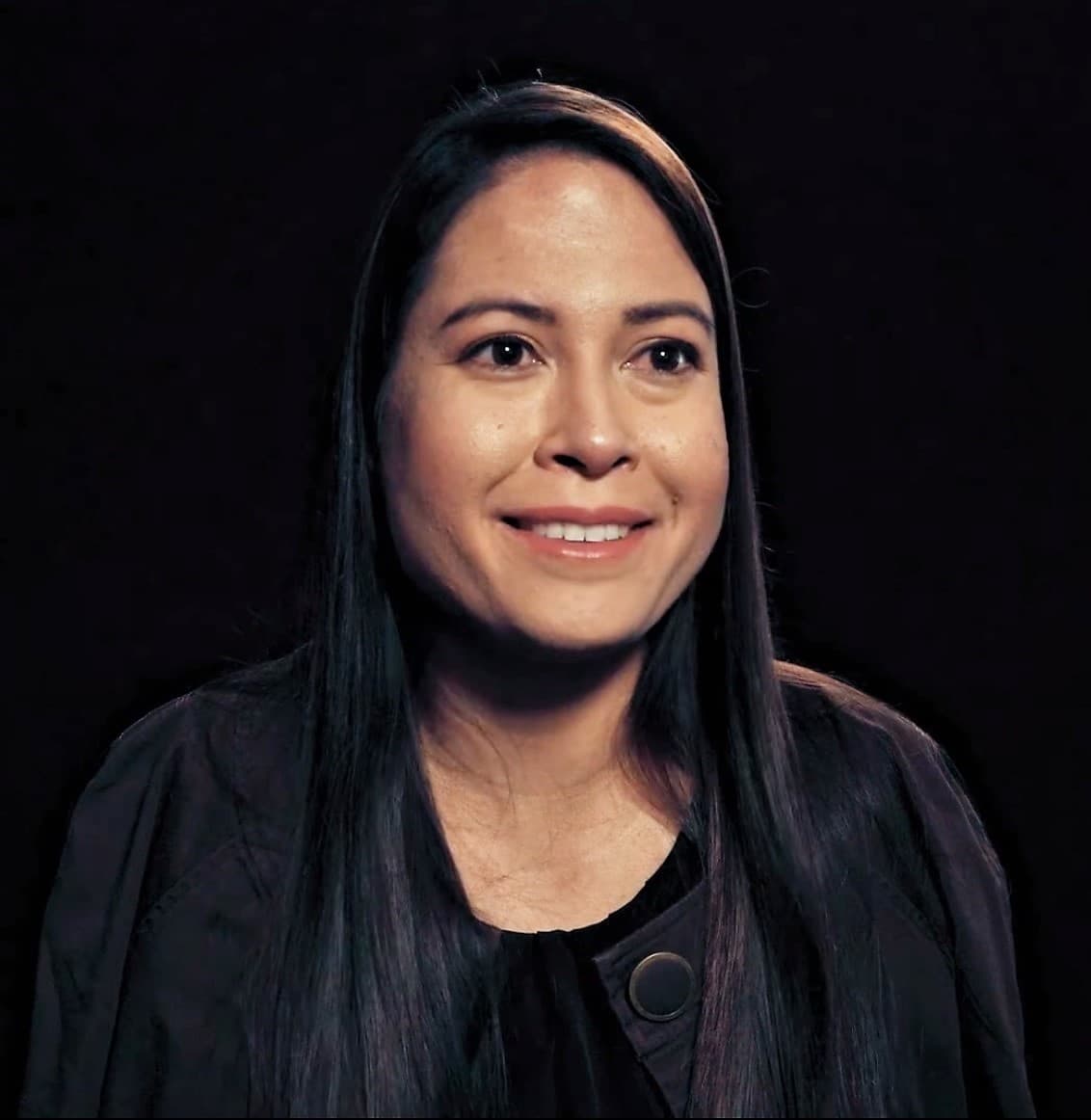
Jessica Cox already knows how to fly an airplane with her feet. Her next aircraft is being built so the controls fit her from the beginning.
Called the Impossible Airplane, the project adapts a four-seat Van’s RV-10 for the pilot who was born without arms. Its goal is to give her more freedom to travel and support her disability-advocacy work.
It is a story about skilled flying, volunteer builders and a different approach to aircraft design.
A pilot long before the new airplane
Cox earned her Sport Pilot certificate in October 2008. Guinness World Records recognizes her as the first woman to fly an airplane with her feet. See the Guinness record.
She learned in an Ercoupe, whose linked flight controls do not require separate rudder pedals. One foot can operate the yoke while the other manages the throttle.
This was an existing aircraft design she could use, rather than an airplane built specifically for her. In 2020, she flew retired U.S. Senator Tom Harkin in her Ercoupe during celebrations of the Americans with Disabilities Act’s 30th anniversary. AOPA reported on that flight and her technique.
Why build an RV-10?
The Ercoupe could take Cox across the country, but long trips exposed its limits.
In a September 2026 project history, her husband and project leader Patrick Chamberlain described returning to Arizona after the Harkin flight. Weather and headwinds stretched the trip to nearly two weeks.
That experience helped prompt a new idea in 2020: build an aircraft better suited to longer journeys, with controls designed around Cox.
The team chose an RV-10 for its four seats and cross-country capability. In 2022, volunteer builders from Experimental Aircraft Association Chapter 898 began assembling the aircraft. Read Chamberlain’s first-person history of the project.
Controls designed for the pilot
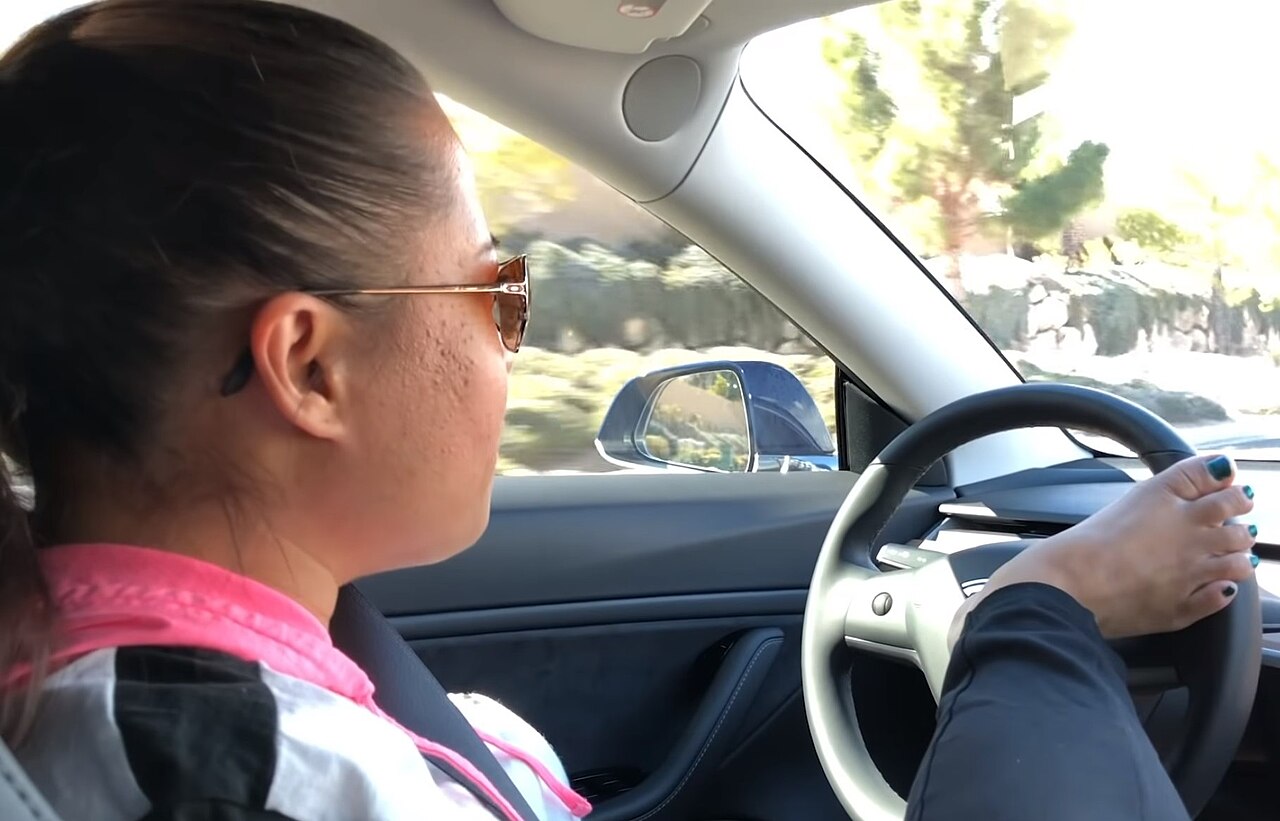
The Impossible Airplane is intended to let Cox operate the aircraft entirely with her feet.
At EAA AirVenture in July 2026, Chamberlain demonstrated a foot interface shaped like a shoe, designed to let her control the yoke. EAA reported that the right-hand seat would retain standard controls.
The design brings the equipment to the pilot, building on the skills Cox already uses. EAA Chapter 898 is among the groups contributing to the build. Read EAA’s report on the aircraft and its controls.
What the verified timeline shows
An October 14, 2026 project update reported that the wings had been attached on October 3. It also stressed that an aircraft looking complete did not mean it was ready to fly: final assembly and custom modifications were continuing.
The team announced a first public display for November 14 at Falcon Field in Mesa, Arizona. That announcement described a planned event, rather than a completed first flight. Read the October build update.
As of this article’s research on November 17, 2026, the sources reviewed did not confirm a completed first flight. The project history dates its beginnings to 2020, rather than a ten-year aircraft build.
Making room for more people in aviation
Rightfooted Foundation International says the project aims to encourage wider thinking about accessibility and representation in flight. Read the foundation’s explanation of its purpose.
Cox’s flying career already demonstrates her ability. The Impossible Airplane asks another useful question: how much more can become possible when equipment is designed around the person using it?
For more background, read our earlier profile of Jessica Cox.
Image credits
The photographs show Jessica Cox in earlier videos, rather than the new aircraft. UPROXX interview portrait, by UPROXX, and Life with Feet driving demonstration, by Life with Feet / Rightfooted Foundation International, are licensed under Creative Commons Attribution 3.0.

