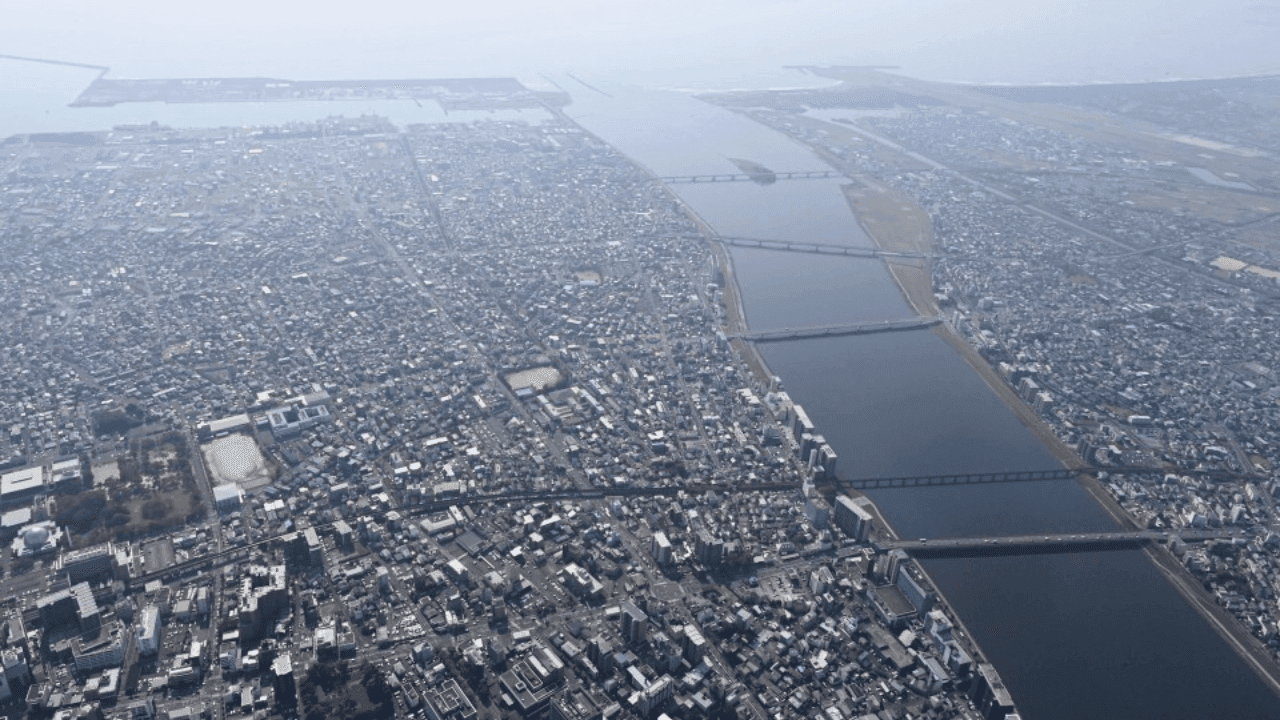
In a chilling prediction that has captured the world’s attention, Japan has estimated that a feared megaquake could inflict a staggering $1.8 trillion in damages and result in the loss of 300, 000 lives. This revelation comes at a time when the country is proactively strengthening its disaster preparedness strategies, drawing lessons from the history of earthquakes that have shaped its societal and infrastructural landscape.
Japan’s eastern coastline is notorious for its seismic activity, and this potential disaster underscores the vulnerability of urban centers in this earthquake-prone region. Experts warn that the predicted megaquake, which is feared to mirror the catastrophic 2011 Tohoku earthquake, could trigger a tsunami, thereby amplifying the devastation.
Economically, the reverberations of such a disaster would be monumental, impacting financial markets and the global economy given Japan’s role as a key global player. The government’s focus is not just on the immediate aftermath but also on the long-term economic repercussions, highlighting the need for robust recovery plans to sustain the nation post-disaster.
Historically, Japan has a rich tapestry of seismic activities that have informed its current earthquake response protocols. From the Great Hanshin earthquake of 1995 to the Tohoku disaster of 2011, each event taught critical lessons. These past events have cultivated a culture of preparedness and resilience, with advanced early-warning systems and rigorous building codes.
The Curiosity Gap arises from the unpredictable nature of earthquakes, fueling public anxiety and debate about disaster readiness and urban planning. Questions about how prepared Japan truly is for a quake of this magnitude linger in the collective psyche.
The strategic dissemination of awareness campaigns and nationwide drills have been part of Japan’s proactive measure to mitigate the impact. However, this new prediction demands even greater collaboration among scientists, policymakers, and urban developers to innovate further on safety and preparedness strategies.
Through storytelling narratives—from survivors’ tales of resilience to innovative technological advancements—Japan continues to acknowledge and prepare for its unique geographical destiny. These stories serve to sustain the cultural memory of survival and innovation amid crisis.
Closing reflections echo the sentiments of a nation that, while technically prepared, must constantly evolve its strategies to face nature’s unpredictability. The future holds questions not only of survival but of continuity and adaptation in the face of potential calamity.
If history is any judge, Japan’s journey from vulnerability to resilience may just redefine how nations perceive and approach natural disasters. Continuous investment in research, infrastructure, and community education remains imperative to mitigate the human and financial toll of future megadisasters.