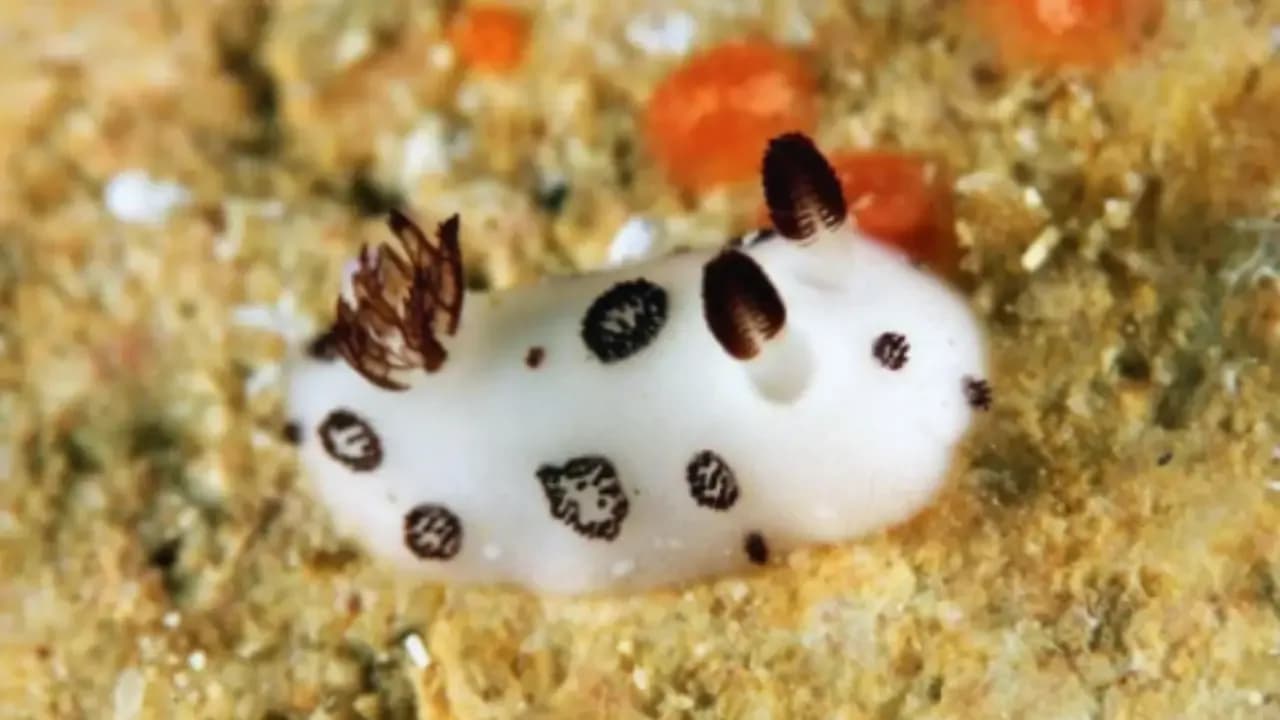
A tiny marine creature that looks like a fluffy underwater bunny is capturing hearts across Japan and now, the world. Say hello to Jorunna parva, affectionately nicknamed the “sea bunny.”
At first glance, these adorable critters resemble miniature rabbits hopping through the sea but they’re not mammals. They’re actually nudibranchs, a type of shell-less marine mollusk known for their vibrant colors and strange forms.
What makes Jorunna parva stand out is its fuzzy, white body and two ear-like structures that mimic a bunny’s ears. But these “ears” are actually sensory organs called rhinophores, which help the sea bunny detect chemicals in the water.
The craze began when Japanese divers and ocean enthusiasts started posting close-up photos of sea bunnies on social media. Their soft, cotton-ball-like appearance and unique charm quickly gained attention online. Some users compared them to Pokémon, others to animated characters from Studio Ghibli films.
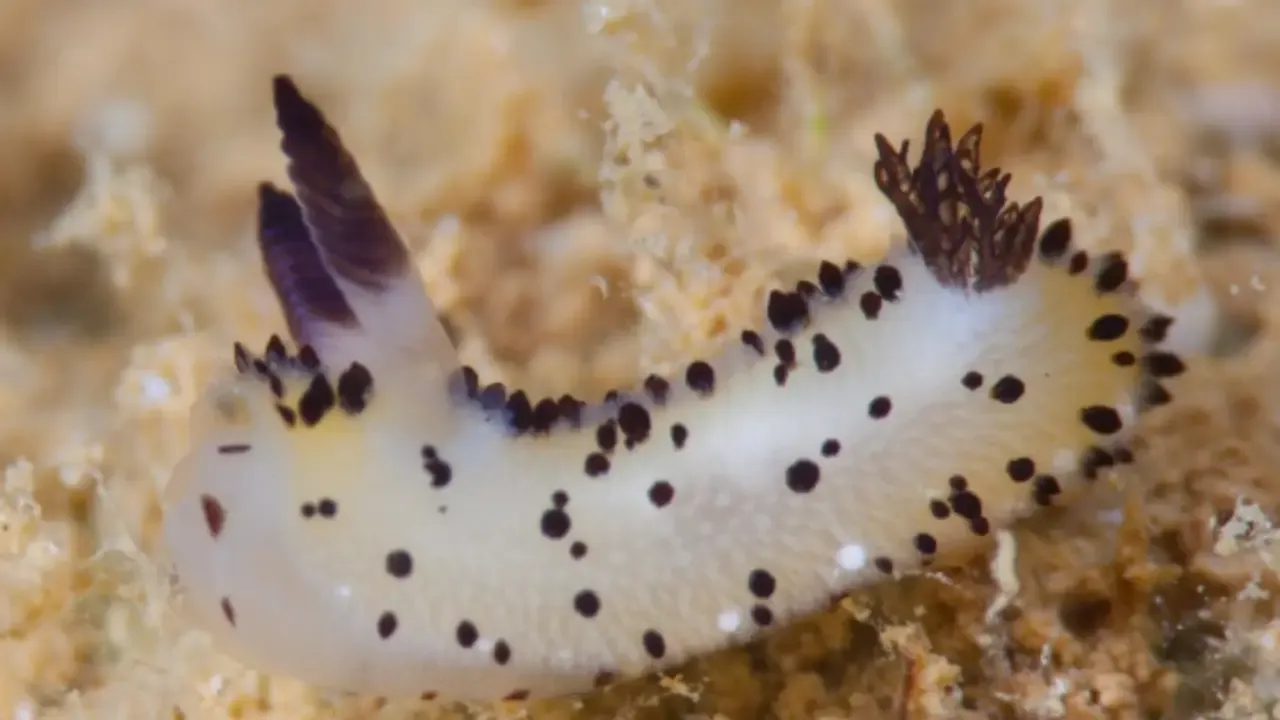
Marine biologists say Jorunna parva can be found in the shallow waters around Japan, the Philippines, and parts of the Indian Ocean. Despite their cute appearance, these creatures have a short lifespan just a few months and are often hard to spot due to their small size, usually under 2 centimeters.
Nudibranchs, or sea slugs, include over 2,500 known species, ranging from bright, fluorescently patterned forms to tiny, almost invisible ones and some even grow up to 30–40 cm in length!
What’s truly fascinating is how nudibranchs survive and communicate. All nudis are carnivorous, and their vivid colors often reflect what they eat sometimes even absorbing toxins from prey to use as defense. They leave behind chemical trails in their slime, which other nudis detect using their horn-like oral tentacles. This helps them find food, mates, or avoid predators.
And yes, sea bunnies are romantic in their own slimy way. As hermaphrodites, they have both male and female organs but must find a mate to reproduce. When two nudibranchs meet, they perform a delicate mating dance and exchange sperm sacks. Later, they lay spiral-patterned egg ribbon soften in large numbers to increase survival chances.
As photos of sea bunnies continue to go viral, Japan’s fascination with marine life once again highlights the country’s deep cultural appreciation for the natural world and its ability to turn even the tiniest ocean creatures into national sweethearts.
Whether you’re a marine science enthusiast or just someone who loves cute animals, the sea bunny is a reminder that nature never runs out of surprises.