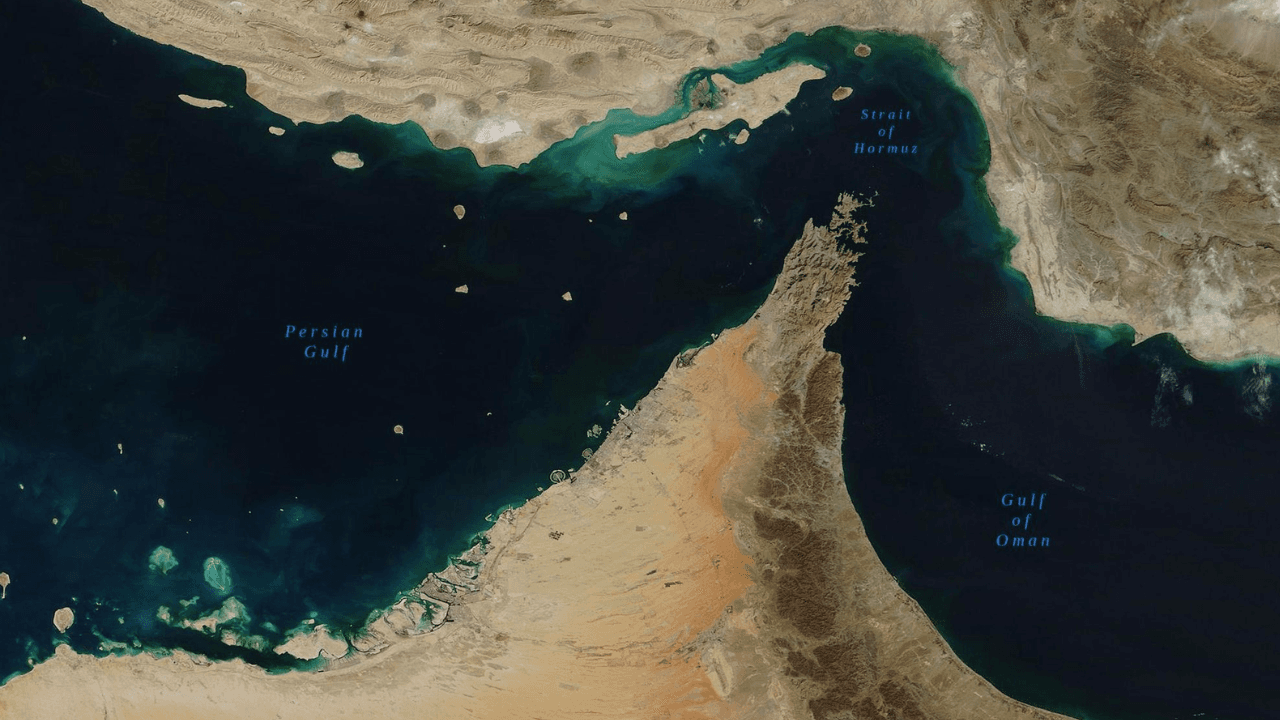
Key Oil Route Remains Closed
Iran has refused to reopen the Strait of Hormuz in exchange for a temporary ceasefire, signaling a hard stance in ongoing regional tensions.
A senior Iranian official told Reuters that Tehran does not believe the United States is prepared to agree to a lasting ceasefire. As a result, Iran sees no reason to make concessions tied to short-term agreements.
The Strait of Hormuz is one of the world’s most important shipping routes for oil, making the situation a major global concern.
Ceasefire Proposal Under Review
According to the same official, Iran has received a proposal from Pakistan calling for an immediate ceasefire. The government is currently reviewing the offer but has not made any commitments.
Tehran also made it clear that it will not accept pressure to meet deadlines or rush into decisions. Officials stressed that any agreement must be long-term and not a temporary fix.
Why the Strait of Hormuz Matters
The Strait of Hormuz is a narrow waterway through which a significant portion of the world’s oil supply passes every day.
Any disruption to this route can quickly impact global energy markets, fuel prices, and economic stability. According to the U.S. Energy Information Administration, roughly one-fifth of the world’s petroleum liquids move through this corridor.
This is why even small changes in access to the strait can trigger global reactions.
Rising Tensions and Global Impact
The latest comments highlight growing mistrust between Iran and the United States. Tehran’s refusal suggests that tensions may continue rather than ease in the short term.
Global leaders are closely watching the situation, as any escalation could affect not just regional security but also international trade and energy supply chains.
For now, the Strait of Hormuz remains a pressure point in an already fragile geopolitical landscape.