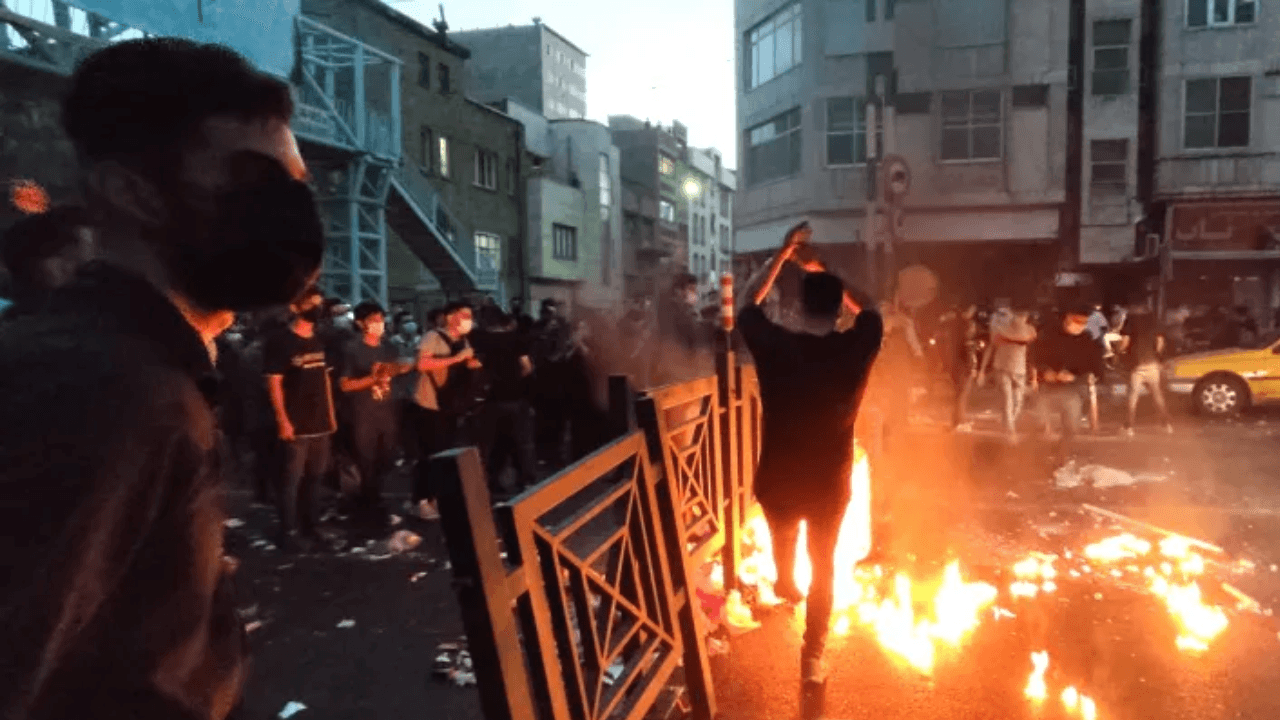
Iran has executed a man convicted of attempting to storm a military facility during nationwide protests earlier this year, according to state media.
The man, identified as Ali Fahim, was put to death after Iran’s Supreme Court upheld his sentence. Authorities said he tried to access an armory during unrest in January, which officials described as a threat to national security.
The execution comes amid one of the largest crackdowns in the country’s recent history.
Multiple Executions Raise Alarm
Fahim is not the only person executed in connection with the same case. Iranian authorities have already carried out several similar sentences in recent days.
Those executed include Amir-Hossein Hatami, as well as Mohammad-Amin Biglari and Shahin Vahedparast. Rights groups warn that another man linked to the case could face execution soon.
According to Amnesty International, the rapid pace of executions has raised serious concerns about due process and fair trials.
Government Defends Actions
Iranian officials have defended the executions, calling the accused “rioters” who attempted to seize weapons during protests.
State media reports say the group planned to take control of military equipment, which authorities argue justified the harsh sentences.
The government has framed these actions as necessary to protect national security and maintain order.
Global Reaction and Human Rights Concerns
Human rights organizations and international observers have expressed concern over Iran’s response to the protests.
The January demonstrations were part of broader anti-government unrest that spread across the country. Many activists say the response has been one of the most severe in the Islamic Republic’s history.
Reports from outlets like Reuters indicate growing international scrutiny over the use of capital punishment in protest-related cases.
What Happens Next
With another execution reportedly imminent, attention is now turning to how far authorities will go in their crackdown.
For many observers, the situation raises deeper questions about justice, accountability, and the future of dissent in Iran.
As global pressure builds, the coming days could prove critical in shaping both domestic tensions and international response.