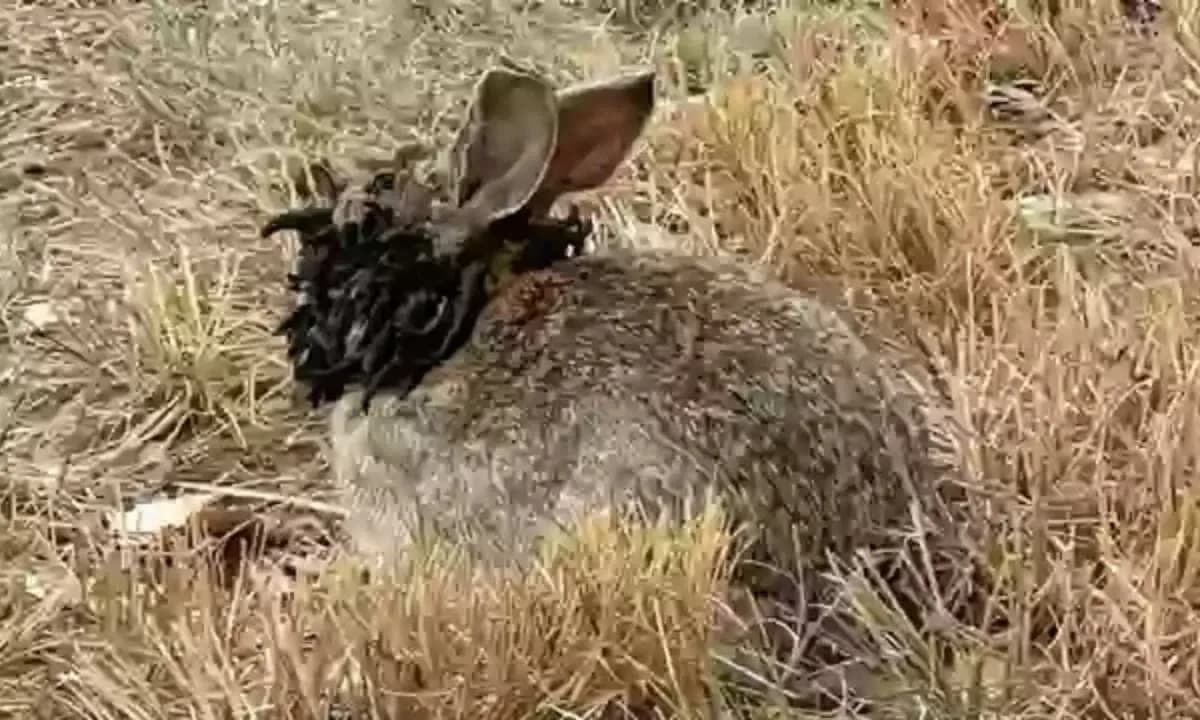
In Fort Collins, Colorado, an unsettling sight has been drawing the attention of locals and wildlife experts. Over the past couple of years, ordinary wild rabbits have begun appearing with strange, black, tentacle-like growths sprouting from their heads, mouths, and eyes. To some, they look like creatures from a horror film; to scientists, they’re a familiar—though disturbing—result of a virus known as cottontail papilloma virus (CRPV), or Shope papilloma virus.
Worried About Hidden Infections?
Strange outbreak headlines are everywhere. Get clear answers with confidential lab tests you can order online. Fast results help you take control.
Check Your Health Now →The first widely noticed cases in the area date back to 2024, when a local resident posted an image of a rabbit whose head was almost entirely covered in dark, spike-like protrusions. More sightings followed. One Fort Collins resident, Susan Mansfield, described seeing a rabbit with what looked like black quills around its mouth. She recalled thinking it wouldn’t survive the winter. But to her surprise, it returned the next year—this time with even larger growths.
According to Colorado Parks and Wildlife (CPW) spokesperson Kara Van Hoose, the virus is specific to rabbits and does not infect humans or pets. Still, officials strongly advise the public to avoid any contact. People should not approach, touch, catch, or feed infected rabbits, and the same goes for their pets.
The advice extends to domestic rabbits as well—if they live outdoors, they can catch the virus, and in those cases, the disease tends to be more severe. Owners are urged to seek veterinary care if their rabbit develops symptoms.
CRPV is mainly spread during the warmer summer months through insect bites, particularly from mosquitoes, fleas, and ticks. The virus can also spread through direct contact between rabbits, although this is less common.
While insects that carry the virus can bite humans, there are no known cases of transmission to people. In wild rabbits, the infection usually clears during the colder months, but some animals can carry it from year to year.
The disease starts with small, red, raised spots on the rabbit’s skin, which later develop into wart-like lumps. These can grow into hard, keratinized papillomas that form the “horns” or “tentacles” seen in photos.
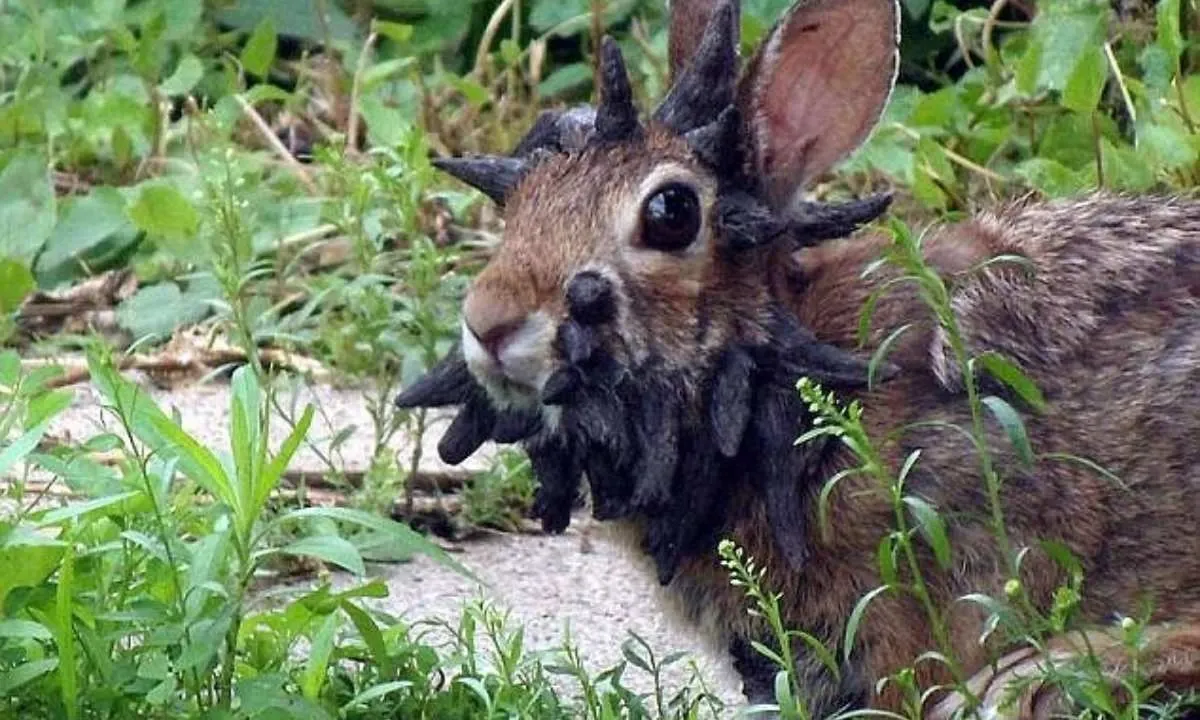
In most cases, the growths remain benign and don’t cause serious harm unless they block the rabbit’s mouth or eyes, making it hard to eat, drink, or see. Unfortunately, in severe cases, the tumors can become so large that the animal starves. In rare situations, the warts can turn into squamous cell carcinoma, a type of skin cancer that can be fatal if untreated.
Locals have been startled not only by the sight of these rabbits but also by the sheer persistence of the virus in some individuals. For wildlife officials, this is both a public information issue and an animal welfare concern. The CPW’s guidance is simple: observe from a distance, never handle the animals, and contact wildlife services if an animal appears to be in distress.
The unsettling appearance of these rabbits has even fueled speculation about their connection to old legends. The horned rabbit’s image, after all, closely resembles the mythical “jackalope,” a creature of American folklore. While the jackalope remains a product of tall tales and taxidermy pranks, the real-life virus behind these growths serves as a reminder that nature can create sights as strange as any myth.
For now, the best thing residents can do is stay aware, keep pets away from infected wildlife, and let nature—and, when necessary, wildlife professionals—handle this unusual outbreak. It’s a story that blends science, caution, and a bit of eerie mystery, making these “Frankenstein” rabbits one of the most talked-about wildlife sightings in the US today.
Disclosure: We may earn a commission when you make a purchase through the ads.