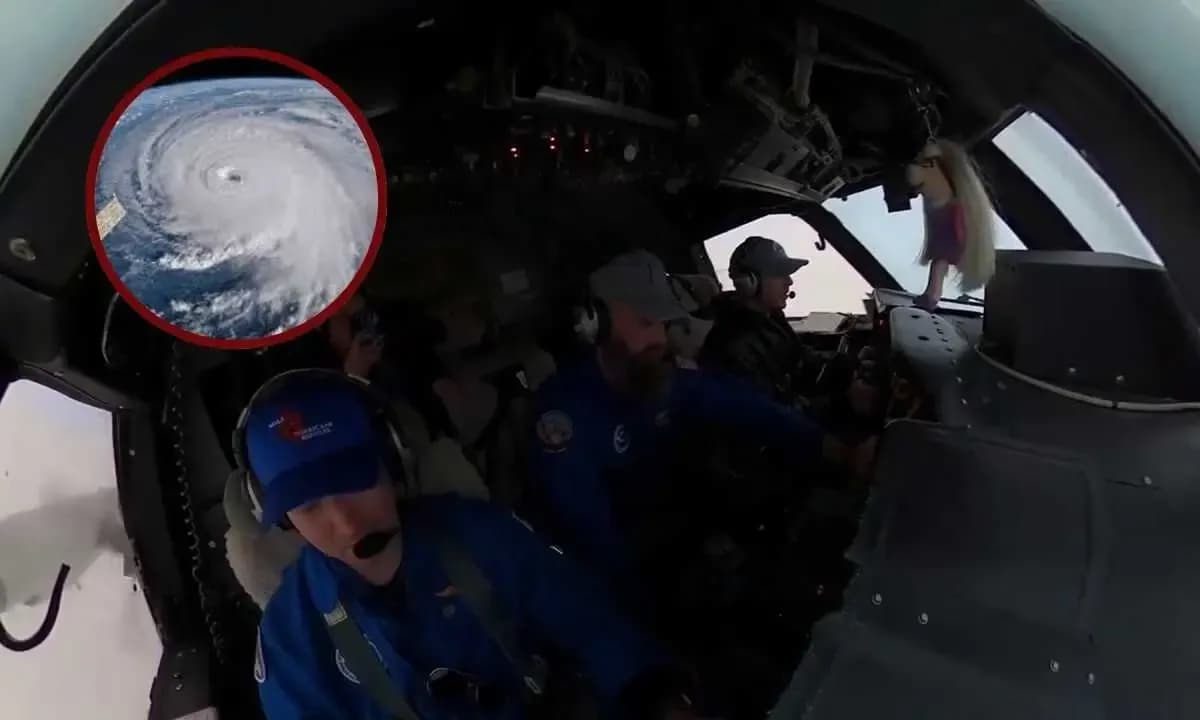
You might be thinking who would be crazy enough to fly a plane into a massive hurricane? Well, most of us are confused just like you. But the truth is these brave pilots and scientists from the National Oceanic and Atmospheric Administration (NOAA) do it to keep us safe. Their mission is to collect critical data that helps predict the path and intensity of hurricanes. The aircraft“Miss Piggy,” got close to the Hurricane Milton with four planned passes through the storm. A video of their terrifying bumpy ride also emerged and people were surprised, to say the least. Let’s have a look.
The Bumpy Ride
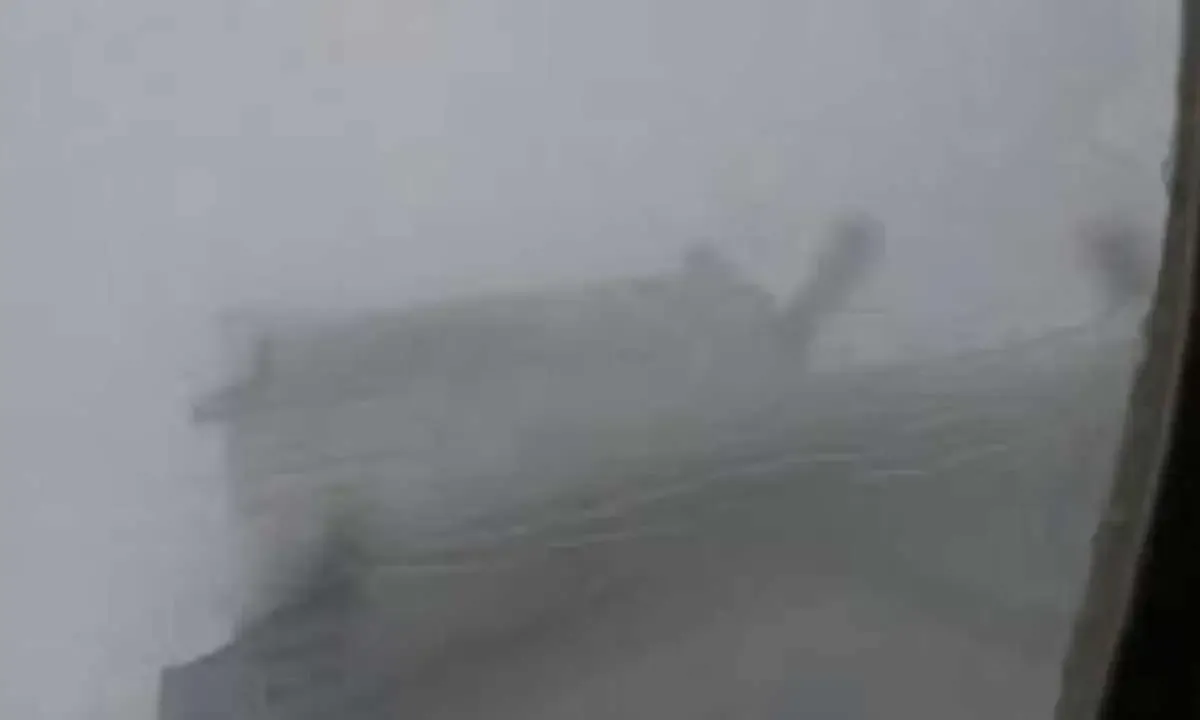
Flying through a hurricane is no smooth ride, and the NOAA crew knows it well. Tom Brannigan, an Electrical Engineer aboard Miss Piggy, described the storm simply as, “Good God,” when seeing the storm from the window.
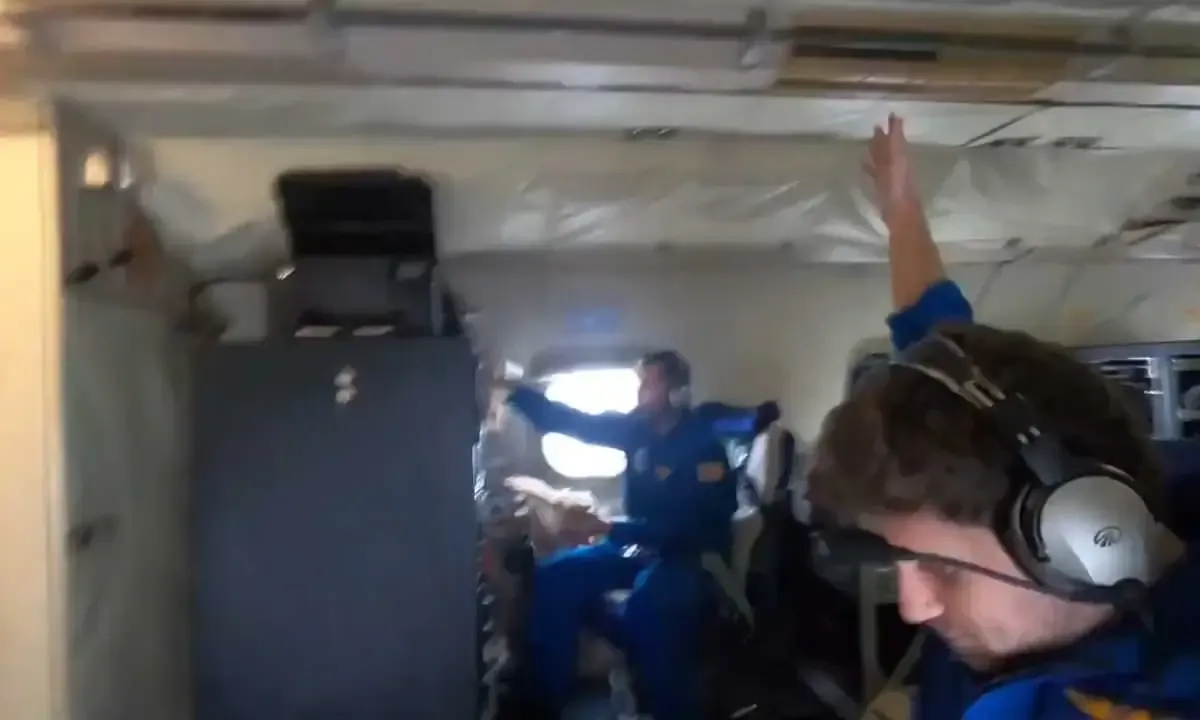
Miss Piggy, a Lockheed WP-3D Orion aircraft, is built to withstand such harsh conditions. But flying through thick clouds, heavy rain, and fierce winds makes it feel more like “riding an old wooden roller coaster through a car wash,” according to one NOAA staff member. Despite the bumpy ride, the crew remained calm.
“Our NOAA WP-3D Orion aircraft have been flying into storms for almost 50 years. We basically take a weather station to the weather.”
Jonathan Shannon, Public Affairs Specialist for NOAA Aircraft Operations Center.
What Does NOAA Do During Hurricane Flights?
So, what exactly does NOAA do during these intense flights? The primary goal is to collect data on hurricanes—data that is vital for saving lives and reducing damage. These aircraft act as “high-flying meteorological stations.” They gather information on wind speed, air pressure, temperature, and humidity.
This data helps forecasters improve their models, which are important in making accurate predictions. Without this information, it would be harder to predict many things. Like where the hurricane is heading, how strong it will get, or when people should evacuate. The information NOAA collects plays a huge role in disaster preparedness and reducing the loss of life and property.
Miss Piggy’s crew is set to make four passes through Hurricane Milton to gather as much data as possible. Each flight provides meteorologists and hurricane researchers with essential data. These data give a better understanding of how hurricanes work and how they can be predicted more accurately.
Hurricane Milton’s Growing Threat
Hurricane Milton intensified quickly over the eastern Gulf of Mexico, with maximum sustained winds reaching 270 kph. That kind of power is enough to turn loose debris from previous storms into flying missiles. This is a real concern for residents of Tampa Bay, who are still dealing with the aftermath of Hurricane Helene.
“They’ve screwed around and haven’t picked the debris up, and now they’re scrambling to get it picked up.”
A local resident.
If Milton makes landfall, anything left lying around could become dangerous, flying through the air and causing more damage.
This storm also highlights a bigger issue that many scientists have been warning about for years—global warming. The rapid intensification of hurricanes like Milton is becoming more common. Florida has seen an unusually high number of storms in recent years. As our planet warms, these intense storms might become the new normal.
Conclusion
NOAA’s hurricane hunters, like the crew aboard Miss Piggy, show incredible bravery and professionalism. Their work is not only dangerous but also critical to keeping people safe. By flying into the heart of hurricanes, they collect the data that helps meteorologists forecast storms, allowing communities to prepare and avoid catastrophes.
Also read,