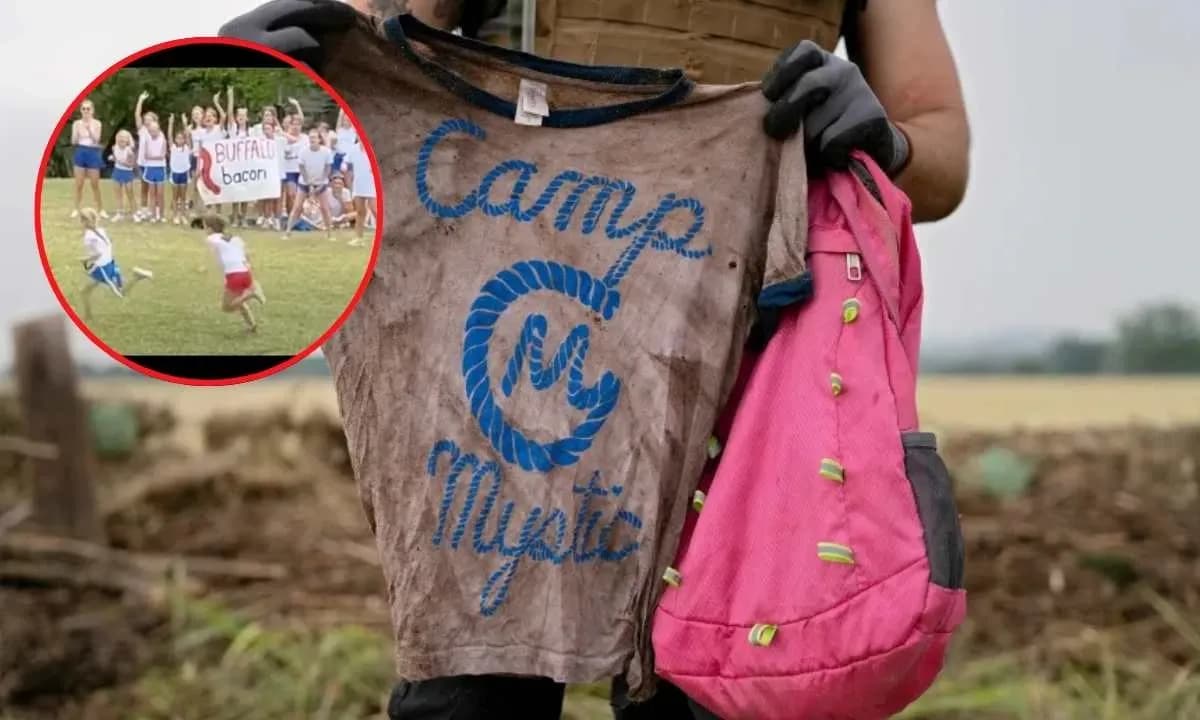
On the evening of July 3, everything seemed normal at Camp Mystic. A video captured campers laughing, singing, and playing—young girls soaking in their summer moments at the Christian all-girls camp nestled along the Guadalupe River in Hunt, Texas. But what no one knew then was that these joyful scenes would be the last memories for many. By morning, a catastrophic flash flood would turn this place of peace into a scene of unimaginable tragedy.
At around 1:14 a.m. on July 4, a warning flashed across the phone of 70-year-old camp director Richard Eastland. The National Weather Service had issued an alert for “life-threatening flash flooding.” Eastland, who had run the camp with his family since the 1980s, discussed the situation over walkie-talkie with relatives living on the 725-acre property. Many of the nearly 750 campers were already asleep in their cabins—girls as young as 7, tucked into bed after a day filled with archery, yoga, and crafts.
But the alert did not trigger an immediate evacuation. According to family spokesperson Jeff Carr, Eastland didn’t begin moving campers until around 2:00 a.m. By that time, rain had intensified and the Guadalupe River was swelling rapidly. The delay, combined with the fact that both campers and counselors had turned in their phones at the start of their stay, left them completely unaware of the growing danger.
“It will be important to go through this process and avoid sharing information on a piecemeal basis.”
A family spokesperson for the destroyed camp, Jeff Carr,told the media outlet after a family meeting on Sunday.
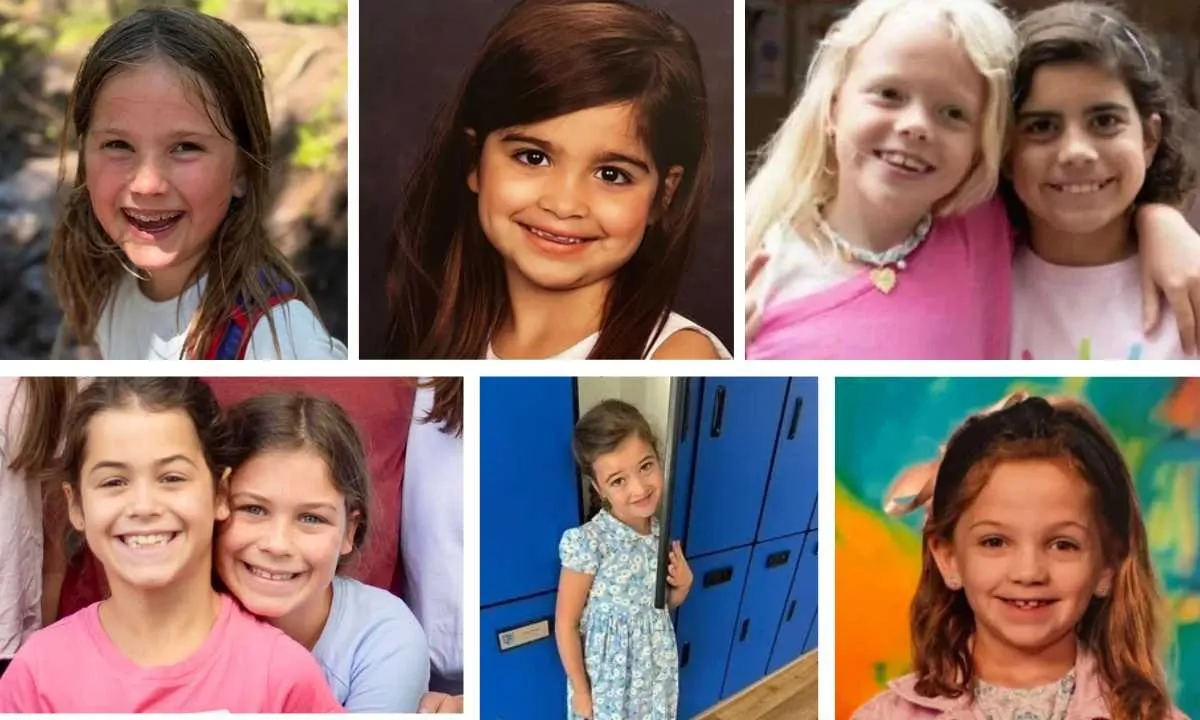
Inside the cabins, thunder shook the walls. Ten-year-old Lucy Kennedy woke up with a bad feeling. Her counselors told her to go back to sleep, but she couldn’t. Counselor Caroline Cutrona, despite her 11 summers at Camp Mystic, also felt uneasy. It wasn’t just another storm.
Water began seeping through floors and rising up porch steps. Camp photographer Nancy Clement noticed it outside Cozy Cabin, while counselor Laney Owens woke to water puddling at her feet in Bug House. She ran to notify the staff that it was time to evacuate.
As waters crept higher, panic grew. The Eastlands—Dick and his son Edward—tried to move girls from riverside cabins to the camp’s Recreation Hall, the highest structure nearby. In some cabins, counselors wrote the girls’ names on their skin, fearing they might be separated in the chaos. Teen counselors like Silvana Garza Valdez and María Paula Zárate gathered their young campers, packed essentials, and headed for higher ground.
Some tried to distract the girls with games and songs. Others used whatever means they had to stay safe. At the Wiggle Inn, security guard Glenn Juenke placed little girls on mattresses to float them above the rising water. In Chatterbox Cabin, where girls aged 7 to 10 stayed, a 9-year-old girl offered to keep her twin sister’s stuffed animal on her top bunk, thinking it might stay dry.
But the water didn’t stop.
“They had no information that indicated the magnitude of what was coming. They got a standard run-of-the-mill NWS warning that they’ve seen dozens of times before,”
Carr said on a call with ABC News.
In one cabin, the door split in half and water rushed in. Clement and others pried open the opposite door and climbed onto the roof using windowsills, carrying little more than their soaked clothes and precious belongings. When another staffer got caught in a volleyball net while trying to escape, the group tied shirts together to pull her up.
Throughout the storm, the Recreation Hall became a shelter. Girls arrived soaked, frightened, and clutching flashlights. They huddled on the second floor, placing their few dry items on cheer mats that soon floated away. There, they sang worship songs and prayed, trying to calm each other. Clement, still on the rooftop, said hearing the singing from inside gave her hope.
But not all cabins made it out in time.
Bubble Inn—home to some of the camp’s youngest girls—was completely lost. All its occupants, including two counselors and several girls, died in the flooding. Chatterbox lost three campers during the evacuation. When counselors noticed they were missing, they went back into the water to search for them. Nine-year-old twins recounted their fear, not knowing if their friends had been swept away.
By dawn, the rain stopped. Evacuations began. Helicopters flew in to airlift survivors. Buses took others to safety. Many were barefoot, their shoes lost to the river. Lucy Kennedy gave her Crocs to another girl who had none.
Onboard, the girls sang a hymn called “Pass It On.” Then they saw the devastation—cars stacked, buildings torn open, entire cabins gone. They stared in silence, whispering, “Oh my God.” It looked nothing like the place where they’d made camp bracelets, sang songs, and laughed with friends just hours earlier.
At Ingram Elementary, the survivors were finally reunited with their families. Some were shaking, others silent. All were changed.
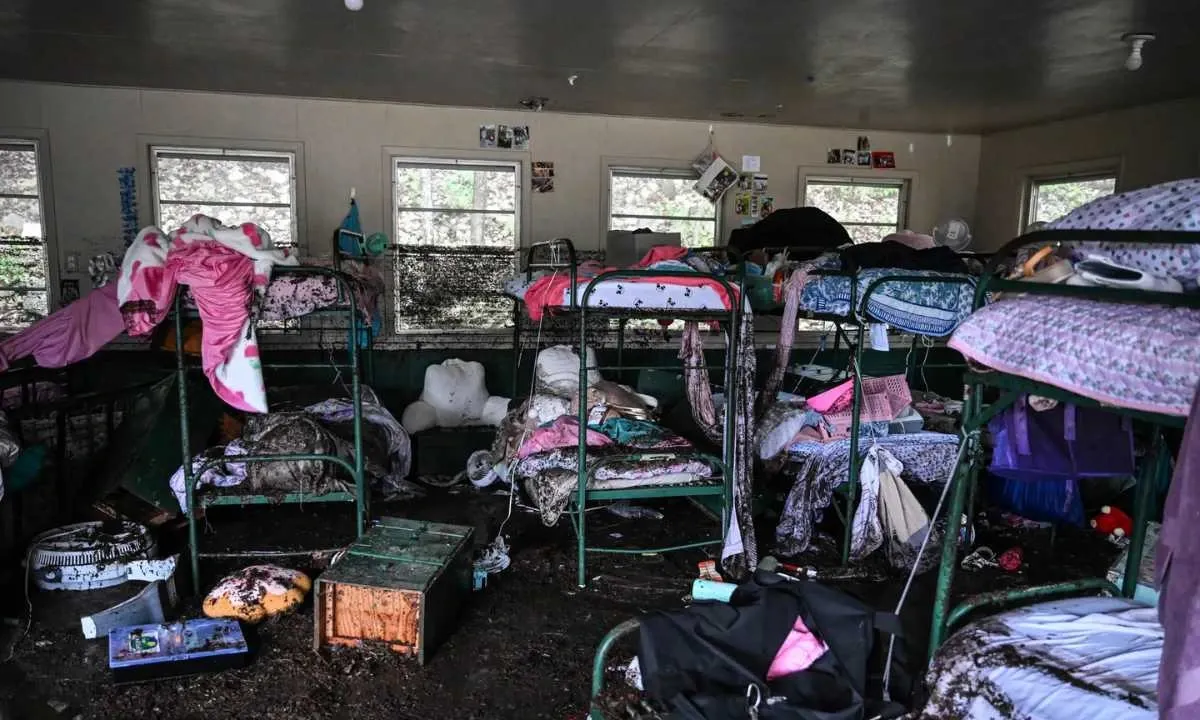
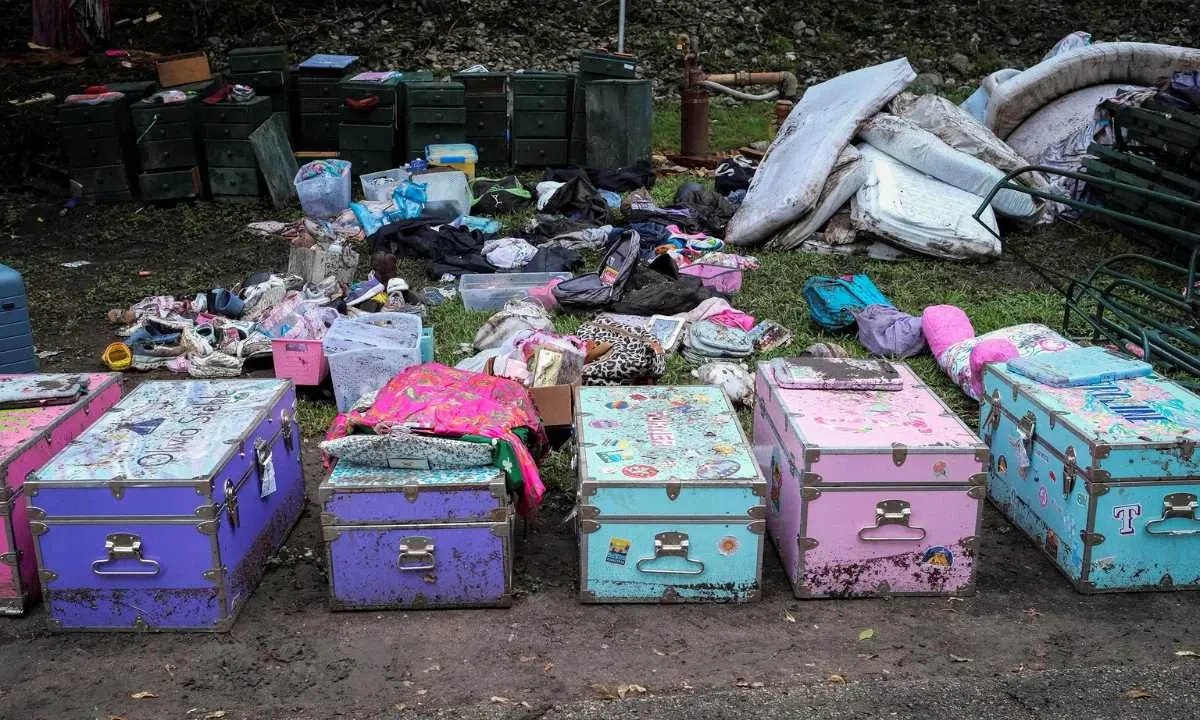
The true scale of the disaster only became clear in the days that followed. At least 27 campers and counselors had died. More than 170 people were still unaccounted for at one point. Across Texas, the death toll would rise to 131, with rescue efforts expected to continue for months. Some trailers had been found buried under 27 feet of gravel.
Camp Mystic—a place with nearly a century of history—was left in ruins. But the tragedy wasn’t just about property. For many parents, it was about the last letter their daughter sent, now arriving in the mail after their child was gone.
At a Monday vigil, families, former campers, and community members gathered to remember those lost.
“From the lake, from the hills, from the sky; all is well, safely rest, God is nigh. Goodnight, Camp Mystic. We love you.”
They joined hands and sang softly.
The haunting memory of the video showing the girls smiling, just hours before disaster, now serves as both a reminder of innocence lost and a call for answers. Why didn’t the evacuation happen sooner? Why weren’t emergency services contacted in time? What safety measures were in place for flash floods?
Those questions remain. But the campers’ stories—of courage, sacrifice, and love—will not be forgotten.