Divers entered the sunken Jascon 4 expecting a recovery operation. Instead, they found Harrison Okene alive in an air pocket roughly 30 meters below the surface.
The cook had survived for about 60 hours after the tugboat capsized off Nigeria on May 26, 2013. Years later, he returned to the sea through a very different route: training to become a commercial diver.
A survivor inside the wreck
The tug sank with 12 people aboard. Okene was the only survivor. Trapped air in part of the overturned vessel gave him a space where he could keep breathing while much of the boat was underwater.
Dutch broadcaster NOS's December 2013 report described the rescue footage and confirmation of its authenticity by DCN Diving, the company conducting the operation.
The diver's surprise in the recording was real. A mission to find bodies had become an urgent effort to bring one living man out of the wreck.
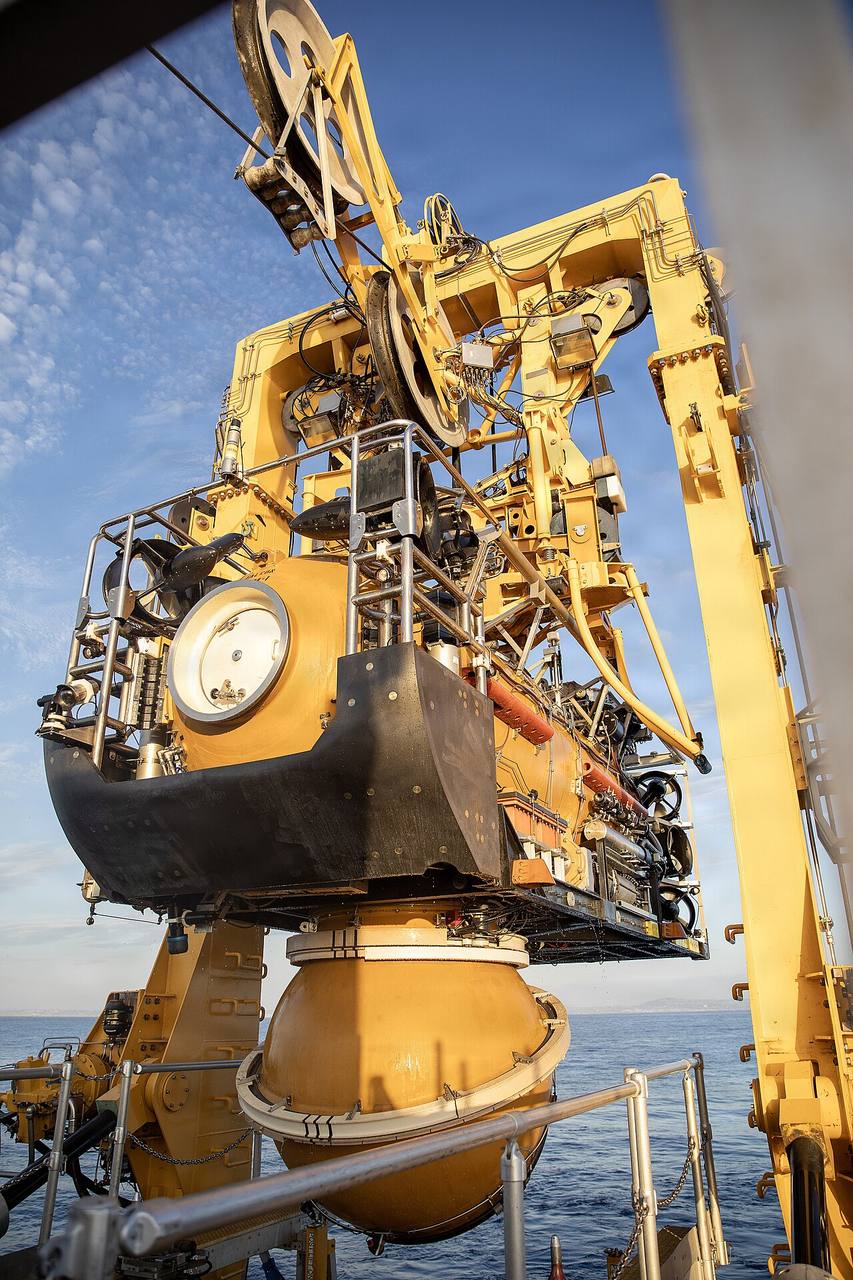
US Navy rescue-module training off San Diego in March 2026. This is a different operation and system from Okene’s 2013 rescue. Photo: Tiarra Brown, Public domain. Resized; JPEG conversion.

Finding him was only the first stage
Okene could not simply be brought straight to the surface after spending so long at depth. The team needed medical advice and a controlled decompression plan.
A contemporary account in the US Navy diving publication Faceplate records the rescue team's decisions, including the use of a diving bell and pressurized environment.
The operation required divers, supervisors and medical support to work through the risks after locating him. Survival in the air pocket had created the possibility of rescue; careful handling was needed to preserve it.
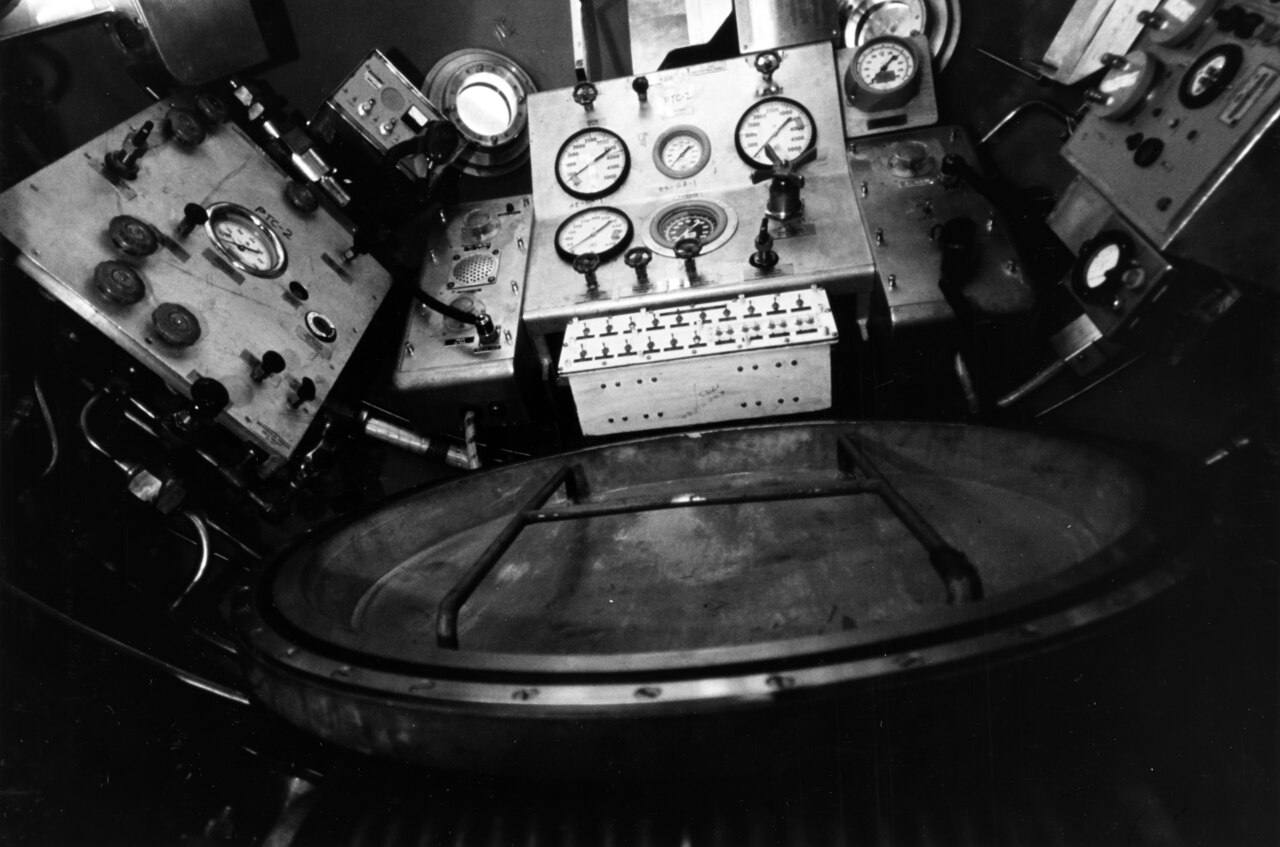
Archival interior of a Sealab III personnel-transfer capsule in 1968. This is not equipment from Okene’s rescue. Photo: U.S. Navy, Public domain. Resized; JPEG conversion.
A new profession below the surface
In 2015, South African reporting documented Okene's commercial-diving qualification. He trained through Jacks Dive Chest in Gordon's Bay and spoke about learning skills that could also help other people.
A 2022 Nine interview with people involved in the rescue followed his later work as a commercial air diver. It also described an unexpected reunion on a diving job with someone who had cared for him during decompression.
The career change does not erase the shipwreck or the loss of his crewmates. It adds another chapter: a man once waiting for divers to find him later completed the training to work alongside divers himself.
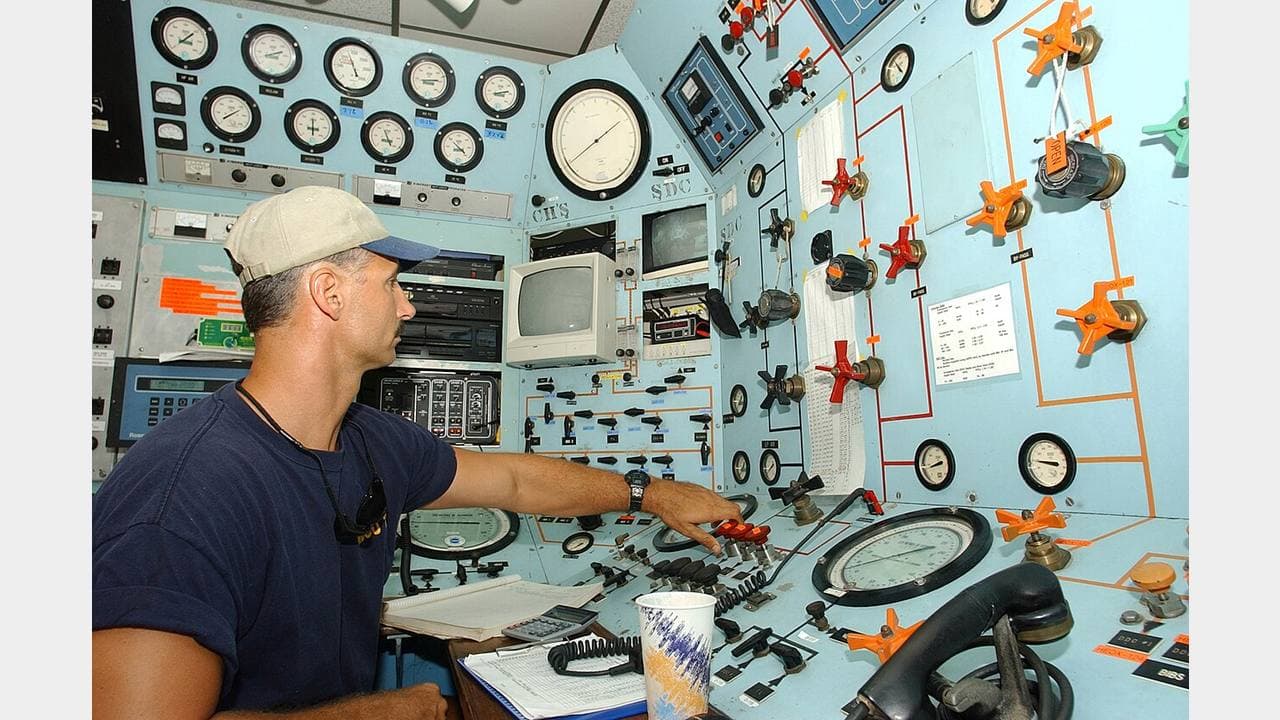
Featured image: US Navy saturation-system operator Mitch Pearce during the 2002 USS Monitor salvage operation. This is not Harrison Okene or his rescue team. Photo: U.S. Navy photo by Chief Photographer’s Mate Eric J. Tilford., Public domain. Resized and fitted to a 16:9 canvas.
