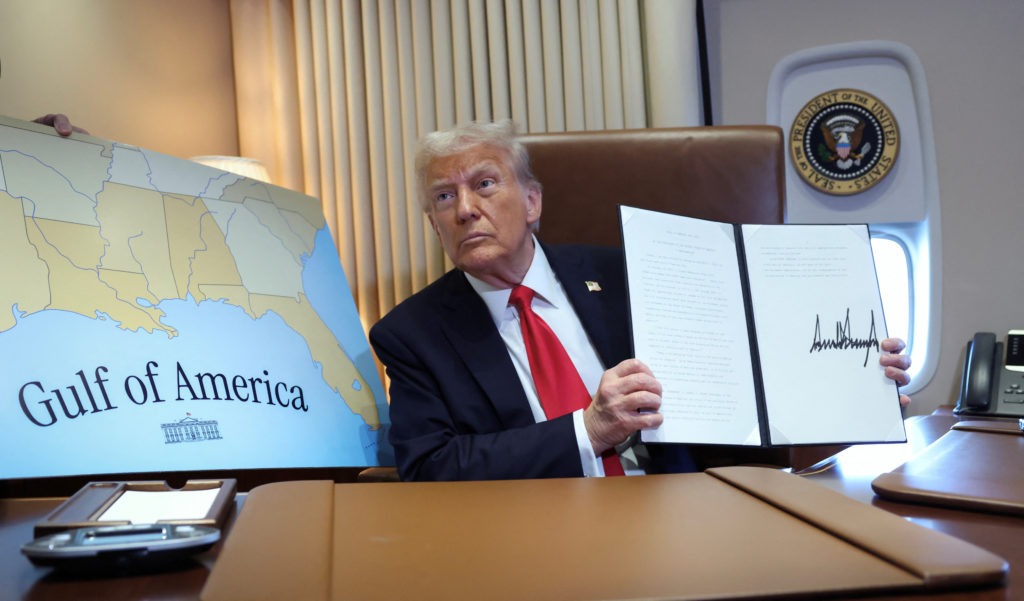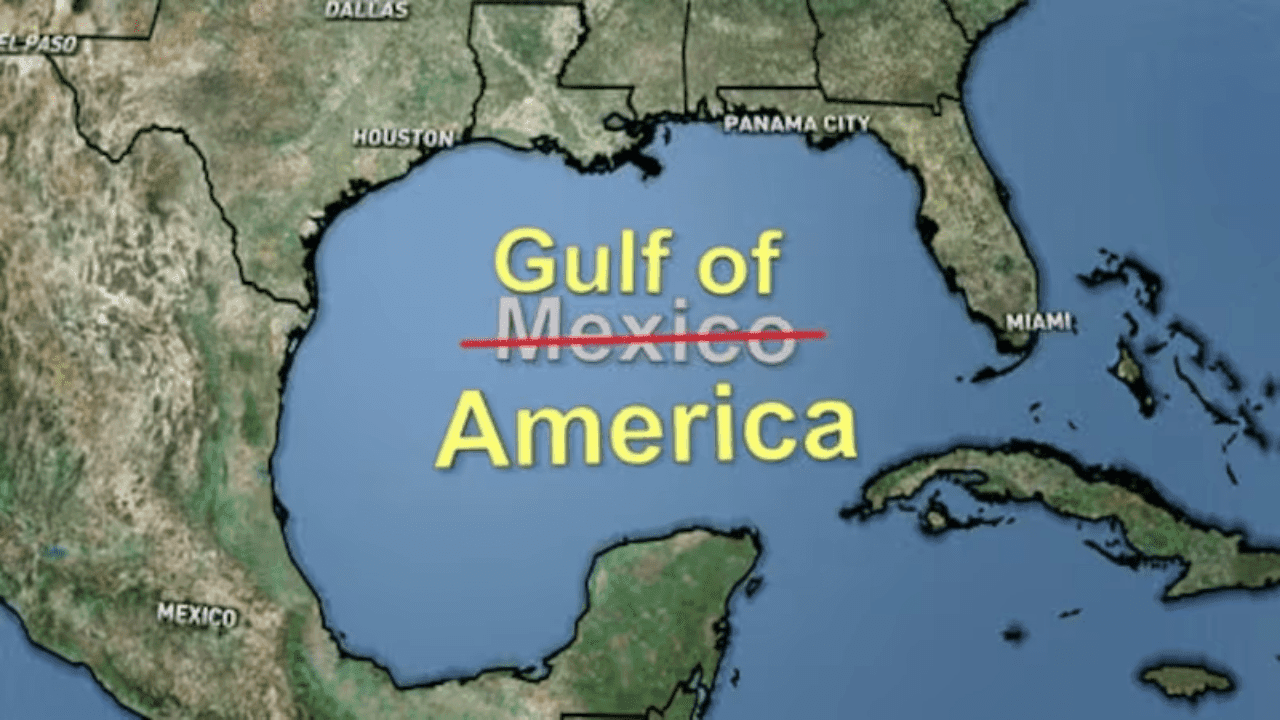
In an unexpected yet resounding response, the centuries-old Encyclopaedia Britannica has chosen to stand its ground against the proposal to rename the Gulf of Mexico as the “Gulf of America, ” a change pushed forward by President Donald Trump. This move has grabbed international attention and sparked a diplomatic discourse on the right to alter geographical names. The proposal occupies a significant place in the discourse of national pride and the extent of U.S. influence on international symbols and geography.
Upon assuming the presidency, Donald Trump wasted no time in signing an executive order on January 20, declaring the Gulf of Mexico as the ‘Gulf of America.’ Calling it a restoration of names that reflect America’s greatness, Trump reaffirmed this decision by later dubbing February 9 as ‘Gulf of America Day.’ The symbolic gesture was intended to manifest a sense of renewed national pride. However, Encyclopaedia Britannica, a respected 256-year-old authority on geographic and historic records, has refused to acquiesce, citing pivotal reasons rooted in international integrity and historical continuity.
Britannica outlined three primary reasons for maintaining the current nomenclature: firstly, their dedication to serving an international audience, a majority of whom reside outside of the United States, secondly, recognizing the Gulf of Mexico as an international body of water, which makes the U.S.’s authority to rename it ambiguous, and thirdly, the Gulf has been recognized by its current name for over four centuries. This longevity adds a layer of historical significance not easily overridden by political declarations.
The proposal has not only been met with international skepticism but also considerable domestic discourse. Appalled by the renaming, organizations and government institutions have stepped forward to caution against the precedent this sets internationally. The Mexican government, led by Claudia Sheinbaum, has openly threatened litigation against any company, like Google, if they implement the ‘Gulf of America’ label on their platforms.
Despite the staunch refusal to comply at this stage, Britannica has left the door open for future revisions. The publication stated that should the United States Board of Geographic Names make this renaming official, a review might become possible, akin to the adjustment made in 2015 when Mount McKinley was officially changed to Denali. Britannica’s position reflects a blend of respect for historical precedent and openness to sanctioned national changes.
As the debate unfolds, this stalemate emphasizes the intertwined nature of geography and national identity. It challenges the boundaries within which nations exert their influence, prompting a broader discussion about shared waters and communal resources. What stands clear is how shifts in political landscapes often ripple through the annals of history and the book of maps, where each name carries centuries of stories, peoples, and a confluence of cultures.