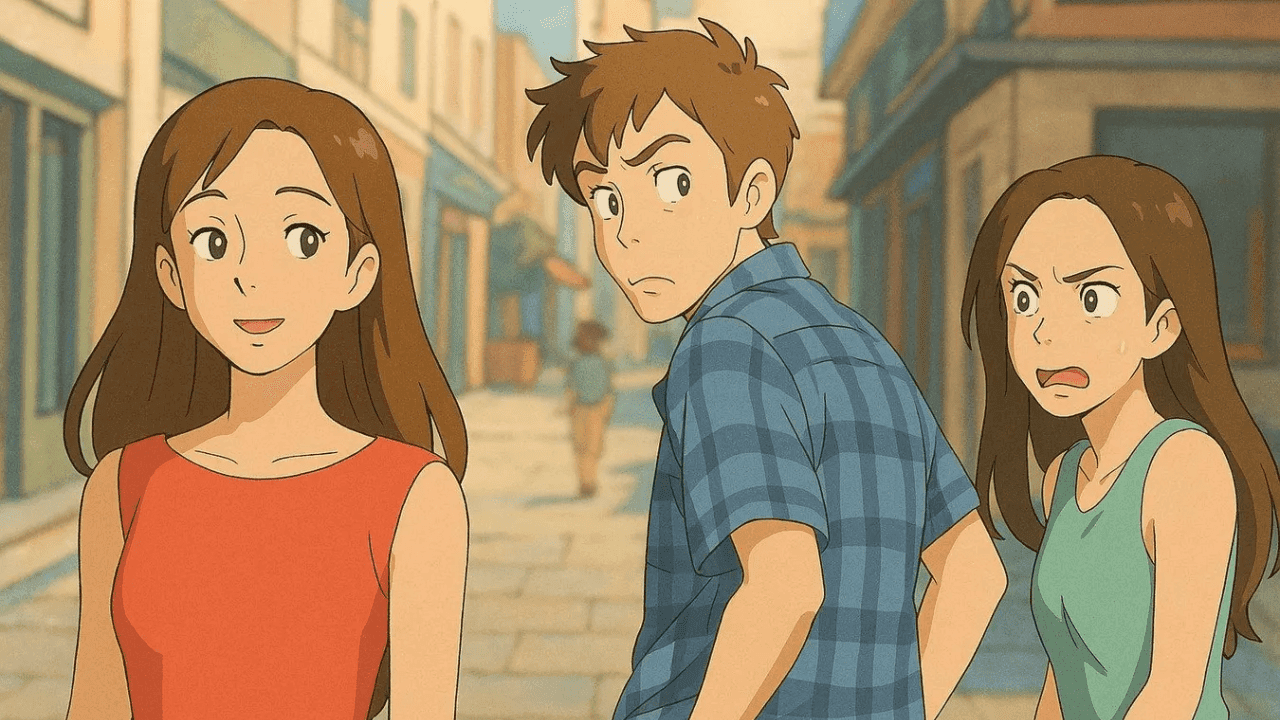
In a digital era where boundaries are constantly being tested, a new frontier has opened up with the advent of AI-generated art. This time, it’s Studio Ghibli, the beloved Japanese animation studio known for its meticulous hand-drawn animation, that finds itself at the crossroads of innovation and tradition. The recent surge of AI-generated images mimicking the distinct Ghibli style has sparked a heated debate on social media, leading to a clash between artists, fans, and tech enthusiasts.
Studio Ghibli, founded in 1985 by Hayao Miyazaki, Isao Takahata, and Toshio Suzuki, is revered for its imaginative storytelling and stunning visuals. Iconic films such as “Spirited Away, ” “Princess Mononoke, ” and “My Neighbor Totoro” have not only entertained but also moved audiences with their deep emotional narratives and artistic integrity. This legacy, built over decades, stands in stark contrast to the rapid production capabilities of Generative AI.
The controversy began with the release of OpenAI’s updated image generation tool, which enabled users to create Ghibli-style artwork by inputting simple text prompts. While some fans were thrilled to explore these new creative possibilities, others, including prominent artists, expressed outrage. They argued that AI-generated art, although innovative, undermines the labor-intensive processes and cultural significance that define Ghibli’s unique charm.
Economically, the World Economic Forum has identified creative professions, including graphic artists, as vulnerable to AI disruptors. This trend raises valid concerns about job security, as automation threatens to replace human artists who have dedicated years to mastering their craft. Moreover, the debate touches on ethical issues of copyright and originality. There are ongoing legal challenges against AI platforms for allegedly using copyrighted works without consent to train their models.
Adding a personal tone to the discussion, Hayao Miyazaki himself has been vocal about his disdain for AI art in a recent NHK documentary, describing it as an insult to the dedication and emotional investment inherent in traditional art forms.
While AI offers exciting prospects in creativity, its integration into art demands careful consideration of cultural and ethical implications. The clash between technological advancement and artistic authenticity serves as a reminder of how innovation should not strip away the essence that makes art meaningful. As of now, the debate remains open-ended, challenging society to find a balance between embracing new technologies and respecting the legacies that inspire them.