In a landmark decision that echoes growing concerns about public health and personal choice, Florida has become the second state in the United States to prohibit the addition of fluoride to public drinking water systems.
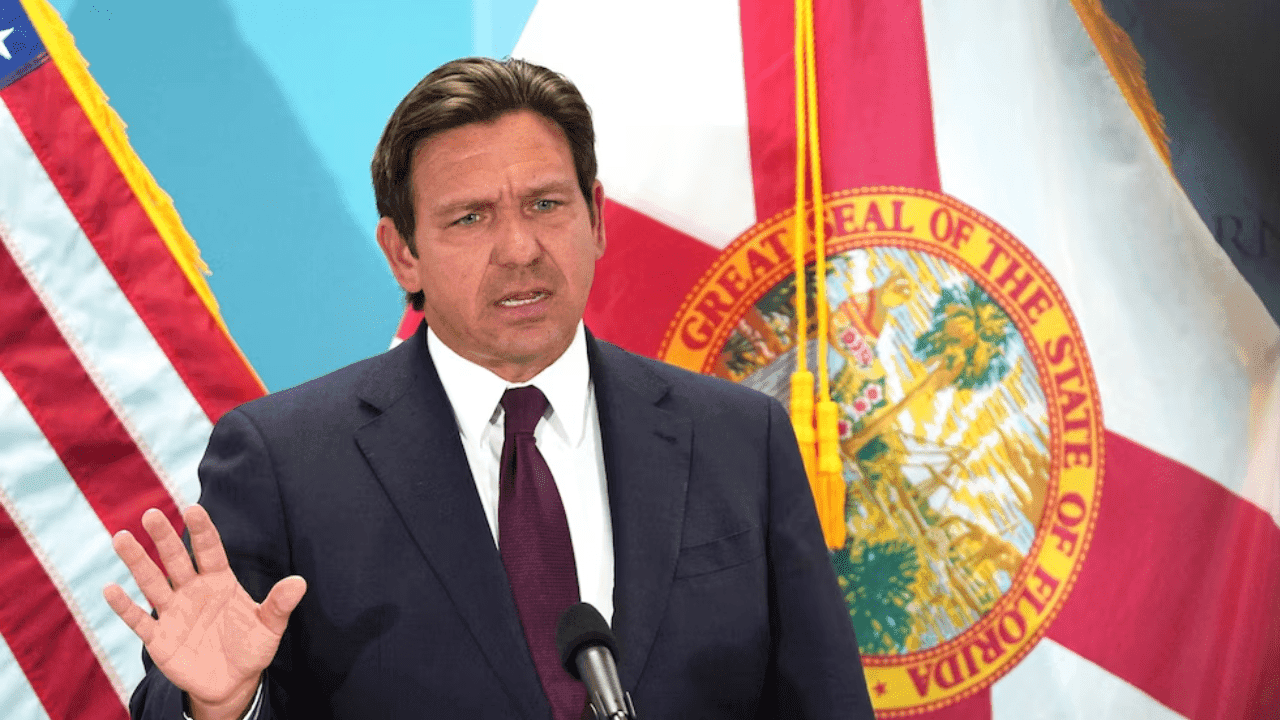
This move follows Utah’s earlier decision to prohibit the mineral in water supplies. The ban in Florida was officially announced on May 6, 2025, when Governor Ron DeSantis signed the related bill into law at Simpson Lakes in Dade City, introducing new health and regulatory narratives into public policy.
The law is slated to come into effect on July 1, 2025. At the core of the decision, according to Governor DeSantis, is the principle of informed consent and public autonomy. “We now have the ability to incorporate fluoride through alternative means, like toothpaste, ” DeSantis stated, emphasizing that individuals should retain the right to choose whether to partake in fluoride treatment.
The Health and Human Services Secretary, Robert F. Kennedy Jr., known for his criticisms of fluoride, has endorsed Florida’s legislative approach, underscoring the importance of individual choice and public discourse. This shift in policy has sparked a broader debate about the health implications of fluoride. Commissioner Roberto Gonzalez, a key advocate for the ban, described fluoride as a neurotoxin and pointed to studies highlighting potential adverse health effects.
While the American Dental Association maintains fluoride is beneficial for preventing cavities by strengthening enamel, critics argue there are viable alternatives. Miami Dade County demonstrated local support for the ban earlier, preceding the statewide decision with an 8-2 vote in favor of removing fluoride.
Florida’s move is part of a broader national discussion on fluoride, with numerous cities re-evaluating its use amid changing public health perspectives. As the policy shift takes hold, the implications for public health, regulatory practices, and personal choice continue to evolve, inviting scrutiny and dialogue from a wide range of stakeholders. This decision ignites further debate on state versus federal oversight concerning public health matters, setting the stage for what could be a shift in public health policy across the United States.