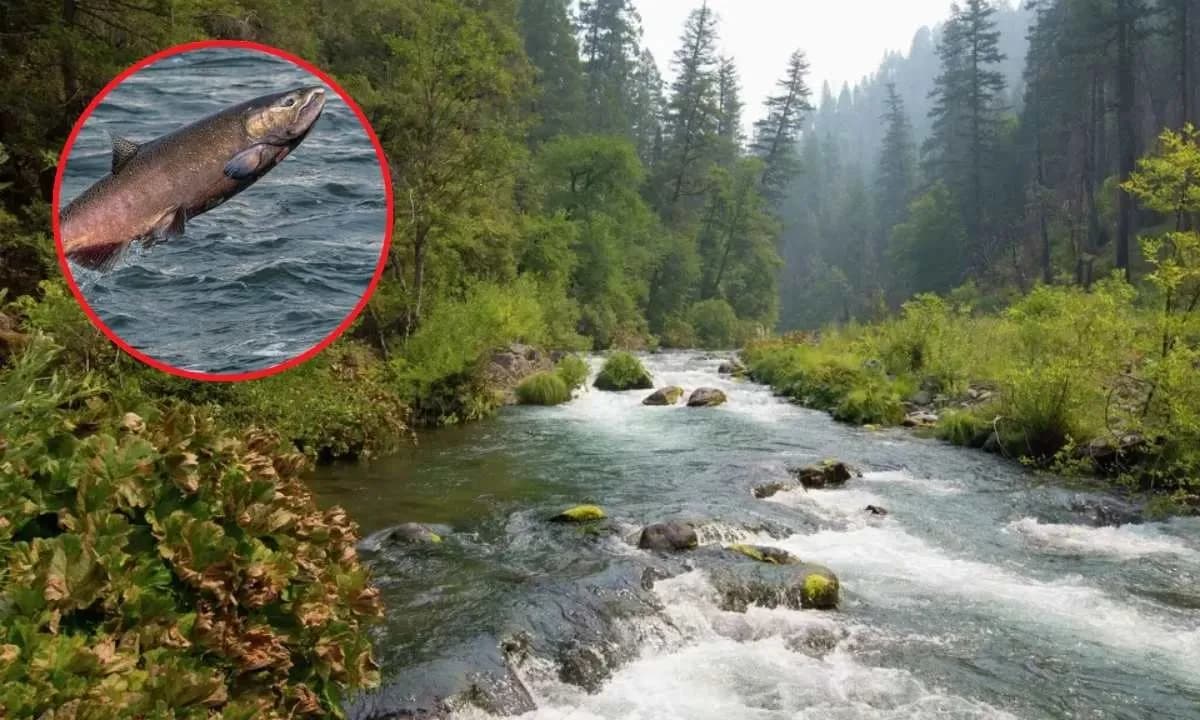
For the first time in almost a century, a salmon has returned to the McCloud River in Northern California — and not just any salmon. This was a winter-run Chinook salmon, one of the rarest and most endangered fish in the United States. On July 15, wildlife officials confirmed something they hadn’t seen in generations: an adult female Chinook guarding her nest near Ash Camp, while several males swam nearby, competing for the chance to spawn.
To understand why this is such a big deal, you have to look back nearly 100 years. The McCloud River once supported thriving salmon populations, but everything changed with the construction of Shasta Dam. Built in the 1940s, the dam blocked access to the cold, clean mountain streams salmon need to reproduce.
Without that access, the fish couldn’t complete their life cycle, and over time, they vanished from the river. Then came the historic California drought between 2012 and 2016, which made things even worse. The dam lost its cold water supply, the river’s temperature rose, oxygen levels dropped, and an estimated 95 to 98 percent of salmon eggs and baby fish died.
Since 1994, winter-run Chinook salmon have been listed under the Endangered Species Act. They are one of nine species considered by NOAA to be at risk of extinction. With their numbers shrinking and habitats failing, many feared the fish would never return to places like the McCloud River. But behind the scenes, a long-term restoration effort was underway.
In 2022, a multi-agency partnership began working to bring the fish back. This included the California Department of Fish and Wildlife (CDFW), the National Oceanic and Atmospheric Administration (NOAA) Fisheries, the U.S. Fish and Wildlife Service, and the Indigenous Winnemem Wintu Tribe — whose ancestral traditions are closely tied to these salmon. They began incubating salmon eggs in the cool waters of the McCloud, hoping to raise young fish in conditions similar to their original spawning grounds.
Once the juvenile salmon hatched, many were caught downstream and transported to the Sacramento River in Redding, where they were released to migrate to the Pacific Ocean — a critical part of the salmon life cycle. Some of these young fish, however, managed to move into Shasta Reservoir instead. Experts believe the salmon seen in the McCloud this month may have spent the last year or more in Shasta Lake before making their way back up to the McCloud River on their own.
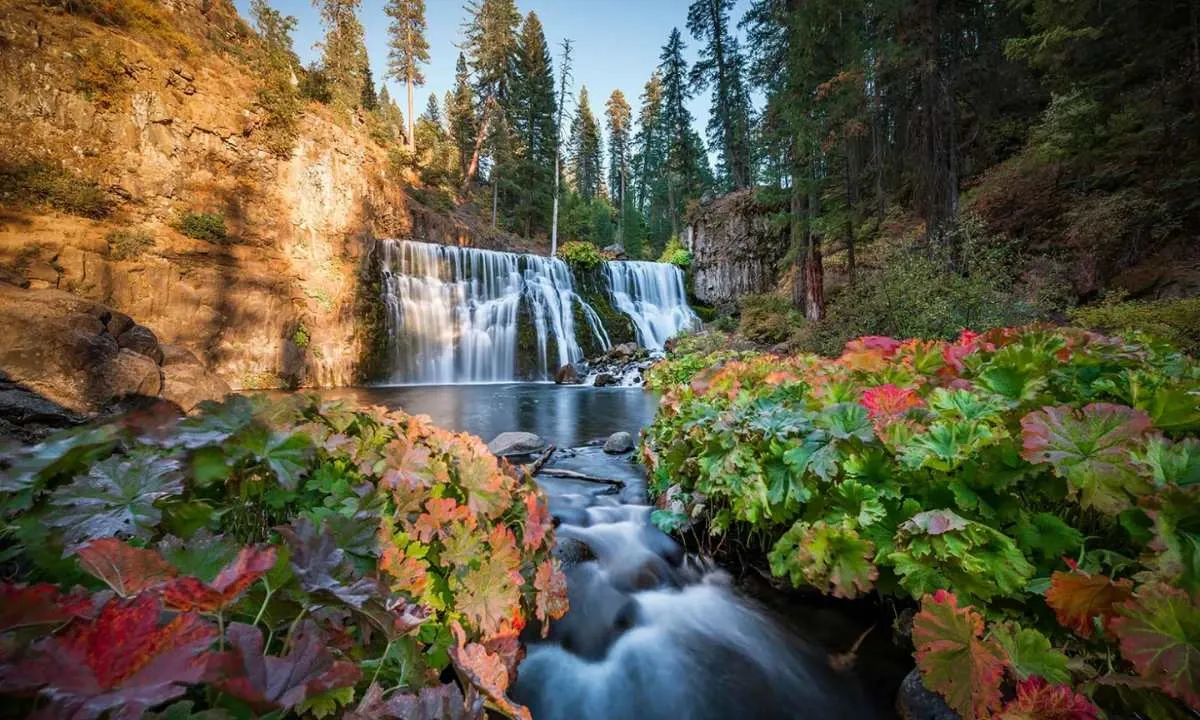
Seeing the fish return and spawn naturally is more than just a scientific success — it’s a symbol of resilience. According to CDFW, getting adult salmon to return and spawn in their historic cold-water habitat is one of the most important goals for bringing this species back from the brink. The McCloud River, with its frigid mountain water, is an ideal place for salmon to reproduce, especially as much of California gets hotter and drier.
And this isn’t the only sign of hope. Salmon were also recently spotted swimming past Eagle Canyon Dam on the North Fork of Battle Creek — another area they hadn’t reached in decades. These sightings are thanks to a fish passage system built as part of the Battle Creek Restoration Project in 2017. It’s the first time since that construction that fish have made it through.
These efforts are part of a broader statewide initiative called the California Salmon Strategy for a Hotter, Drier Future. Launched in 2024 by Governor Gavin Newsom, the program is focused on helping salmon survive and thrive despite climate change and water system challenges.
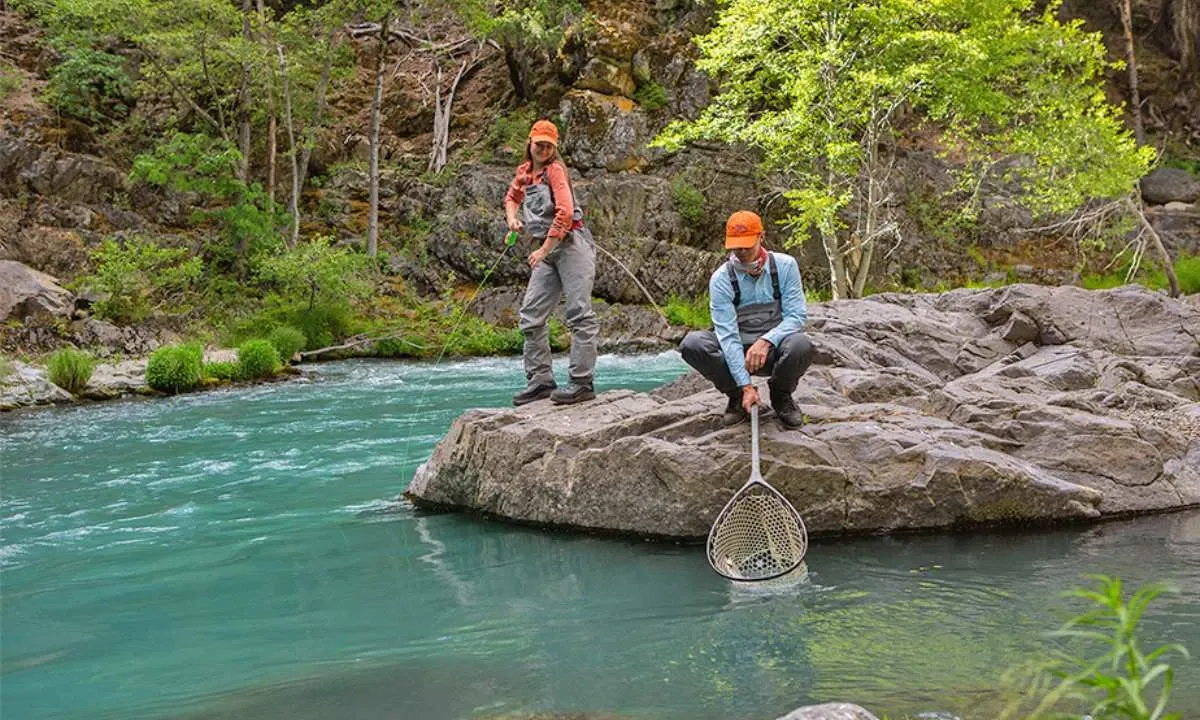
For those involved — scientists, tribal members, and conservationists — this moment marks a major step forward. A fish that had disappeared from its home river for nearly a century has returned, not by accident, but because of careful, long-term work. It’s a reminder that even in a changing world, recovery is possible — sometimes, it just takes time, science, and people who care enough not to give up.