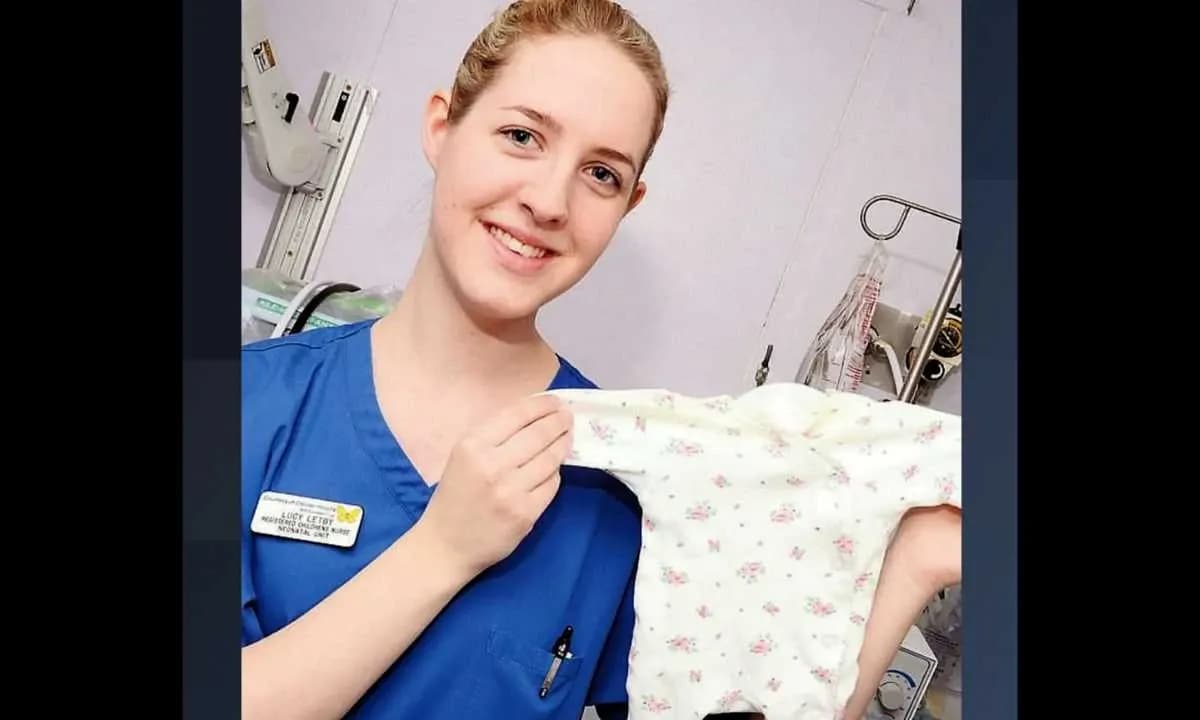
In a chilling case that shook the United Kingdom, Lucy Letby, a neonatal nurse, was convicted of murdering seven newborns and attempting to kill six others between 2015 and 2016. Letby’s crimes took place in the neonatal unit of the Countess of Chester Hospital. She worked there as a trusted caregiver. Her trial, spanning over ten months, is among the longest in English legal history. The Guardian labeled her as “one of the most notorious female murderers of the last century,” while the Daily Mail described her actions as opening “the door to Hell.”
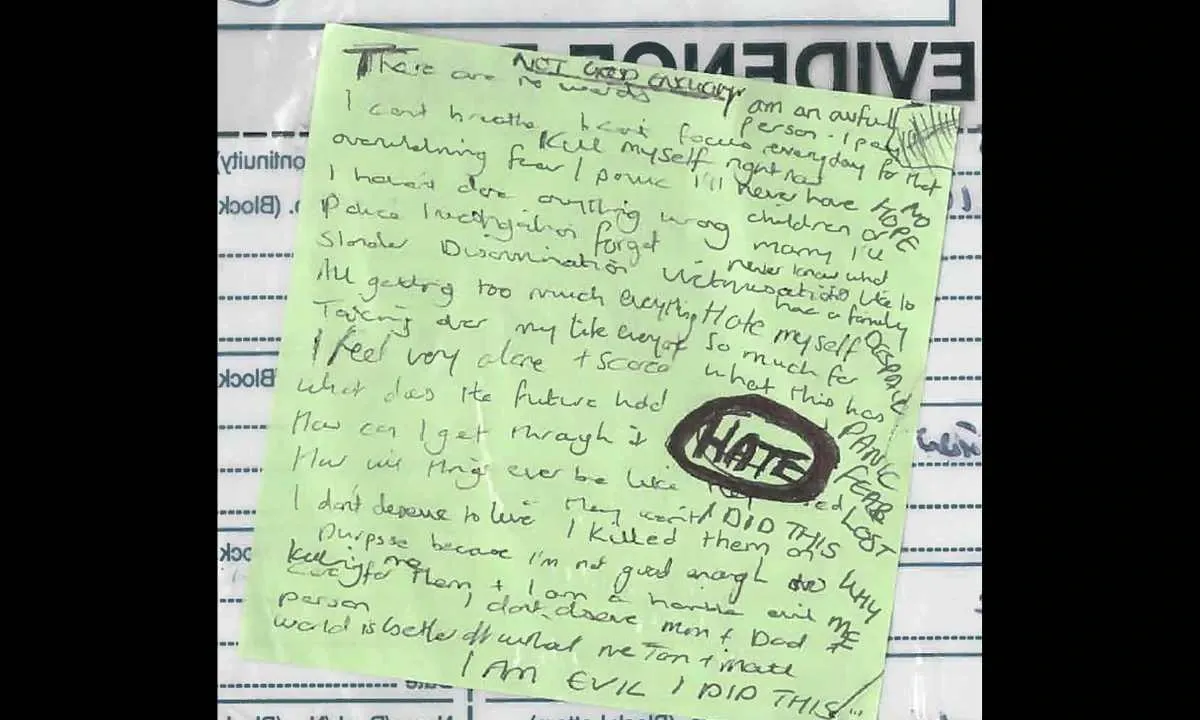
Her horrific attempts were later revealed through her, text messages, and handwritten notes. One note mentioned, “I am evil, I did this.” The case triggered public outrage, with Prime Minister Rishi Sunak calling Letby’s refusal to attend her sentencing “cowardly.” The Health Secretary launched an inquiry into how the hospital failed to prevent these tragedies. Let’s have a closer look at the details of the chilling details of the story.
Suspicious Patterns and Early Investigations
The alarm was first raised in 2015 when an unusual pattern of infant collapses and deaths emerged. The hospital’s neonatal unit typically saw two or three deaths annually, but between June 2015 and June 2016, seven babies died under suspicious circumstances. Consultant Stephen Brearey noted that Letby was present during every incident. However, management dismissed concerns, citing coincidences and staffing shortages.
Efforts to escalate the matter internally faced resistance. Brearey and his colleagues repeatedly urged hospital executives to remove Letby from the neonatal unit, particularly after two triplets, known as Baby O and Baby P, died within days of each other. The hospital management ignored these pleas, even forcing consultants to apologize to Letby. The deaths continued until Letby was reassigned to a desk job in June 2016.
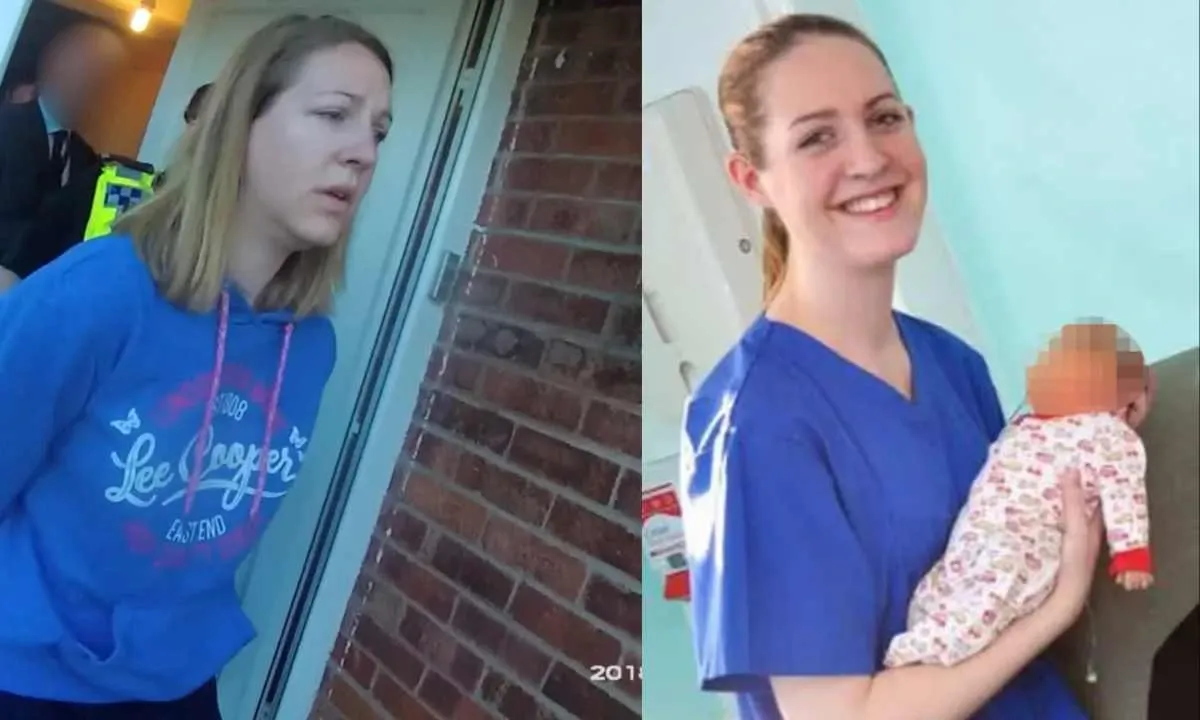
Medical evidence pointed to insulin poisoning, air embolism, and unexplained injuries like liver trauma in infants. Despite these red flags, the administration only contacted the police in May 2017. The resulting investigation, Operation Hummingbird, would lead to Letby’s arrest in 2018.
The Trial and Evidence
Lucy Letby’s trial began in October 2022 at Manchester Crown Court. The prosecution presented a damning case, supported by medical records, text messages, and handwritten notes. Letby’s notes included phrases like “I am evil, I did this,” which prosecutors interpreted as confessions. However, Letby claimed they were written during moments of despair, not as admissions of guilt.
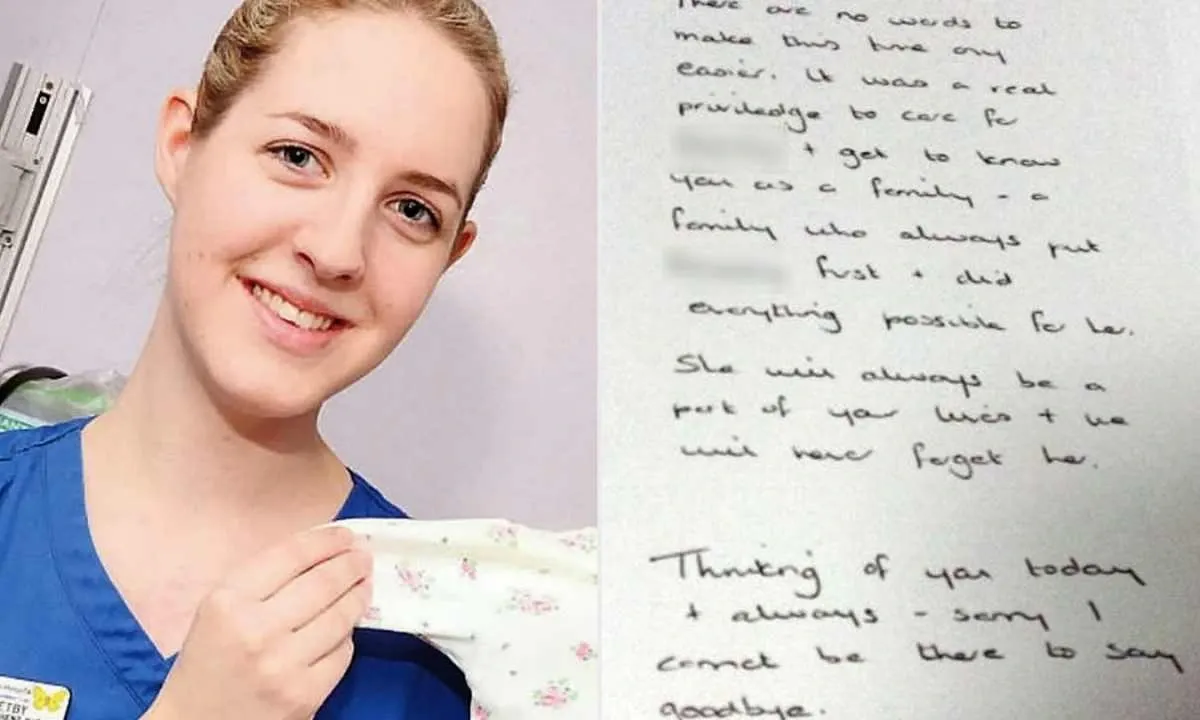
Parents provided harrowing testimonies. One mother described hearing her baby scream before finding blood around the infant’s mouth with Letby in the room. Another testified that Letby sent a sympathy card after their child’s funeral, a move the prosecution framed as manipulative. Text messages showed Letby’s lack of remorse. One message read, “Work has been shit but… I just won £135 on Grand National!!”
Dr. Dewi Evans, the prosecution’s lead medical expert, played a pivotal role. He testified that many deaths were caused by air injections, but his methods and conclusions were later criticized. Defense arguments centered on systemic issues within the hospital, including poor hygiene and staff shortages, as contributing factors to the deaths.
Sentencing and Broader Implications
On August 21, 2023, Lucy Letby was sentenced to life imprisonment with a whole-life order, a rare punishment reserved for the most heinous crimes in the UK. Justice Goss described her actions as a “calculated and cynical campaign of child murder.”
The trial also prompted significant legal and healthcare reforms. The government proposed laws to compel convicted criminals to attend their sentencing hearings after Letby refused to face the victims’ families in court. A public inquiry, led by Lady Justice Thirlwall, began in September 2024 to investigate how the hospital failed to act on repeated warnings.
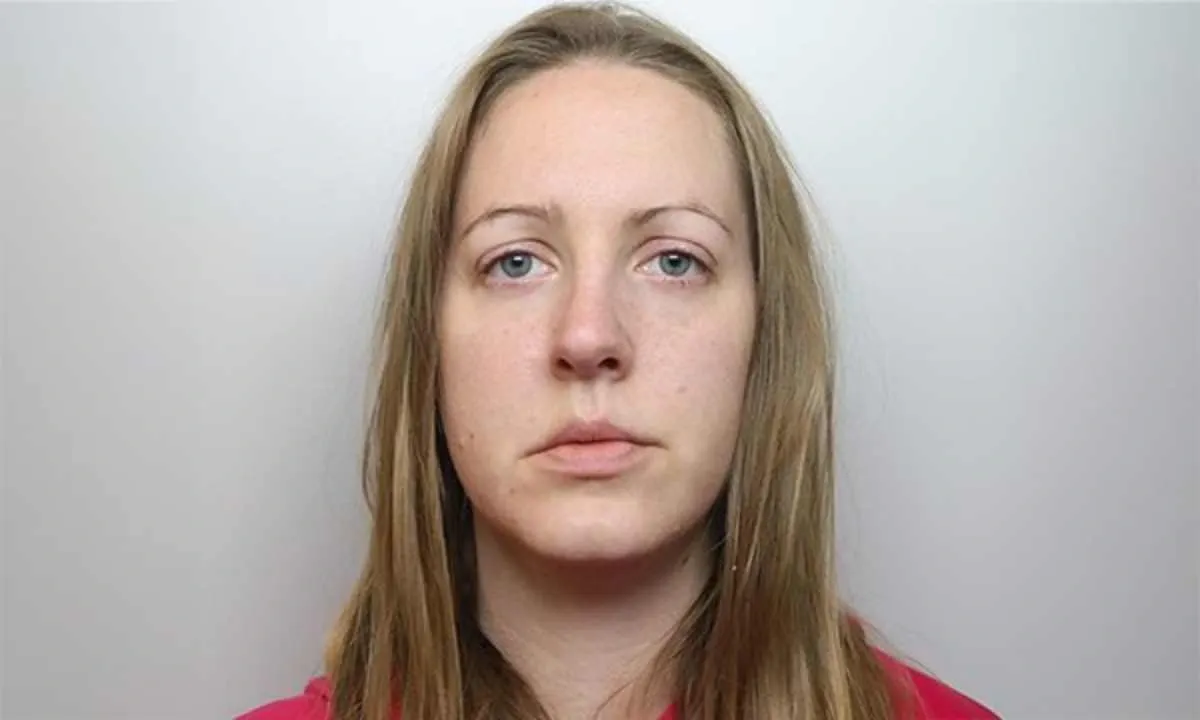
The Controversy Around Convictions
Despite Letby’s conviction, doubts about the case have emerged. Critics questioned the reliability of Dr. Evans’ testimony, especially after he revised his explanation for the death of Baby C. Other medical experts argued that the evidence for air embolism and deliberate harm was insufficient or implausible.
Additionally, systemic failures at the hospital were highlighted. Staff shortages, inadequate senior oversight, and mismanagement were cited as factors that may have contributed to the high mortality rate. Letby’s defense pointed to these issues, emphasizing the lack of direct evidence tying her to the crimes.
Letby’s legal team is pursuing appeals, citing new expert reports that challenge the prosecution’s findings. The Criminal Cases Review Commission is reviewing her case, and a new application to the Court of Appeal is pending.
The Face of Evil or a Failed System?
Lucy Letby’s case raises profound questions about personal responsibility and systemic failures. Letby appeared to be a well-adjusted individual with no history of violence. This incongruity has fueled debates about her true motives, if any, and the role of hospital mismanagement in enabling these crimes.
While Letby’s actions are undeniably horrific, the case underscores the need for stronger oversight in healthcare settings. Consultants’ warnings were ignored, and systemic issues like poor staffing and hygiene were downplayed. As Dr. Ravi Jayaram testified, clinicians were told “not to make a fuss” about their concerns.
Conclusion
This case is a stark reminder of the need for accountability at every level. For healthcare, it highlights the importance of robust whistleblowing policies and better training for staff. For justice, it underscores the necessity of fair trials and reliable evidence. And for society, it emphasizes the collective responsibility to ensure tragedies like this never happen again. Lucy Letby’s actions, and the system’s failures, have left an indelible mark on the UK’s healthcare and legal systems—a haunting lesson for all.