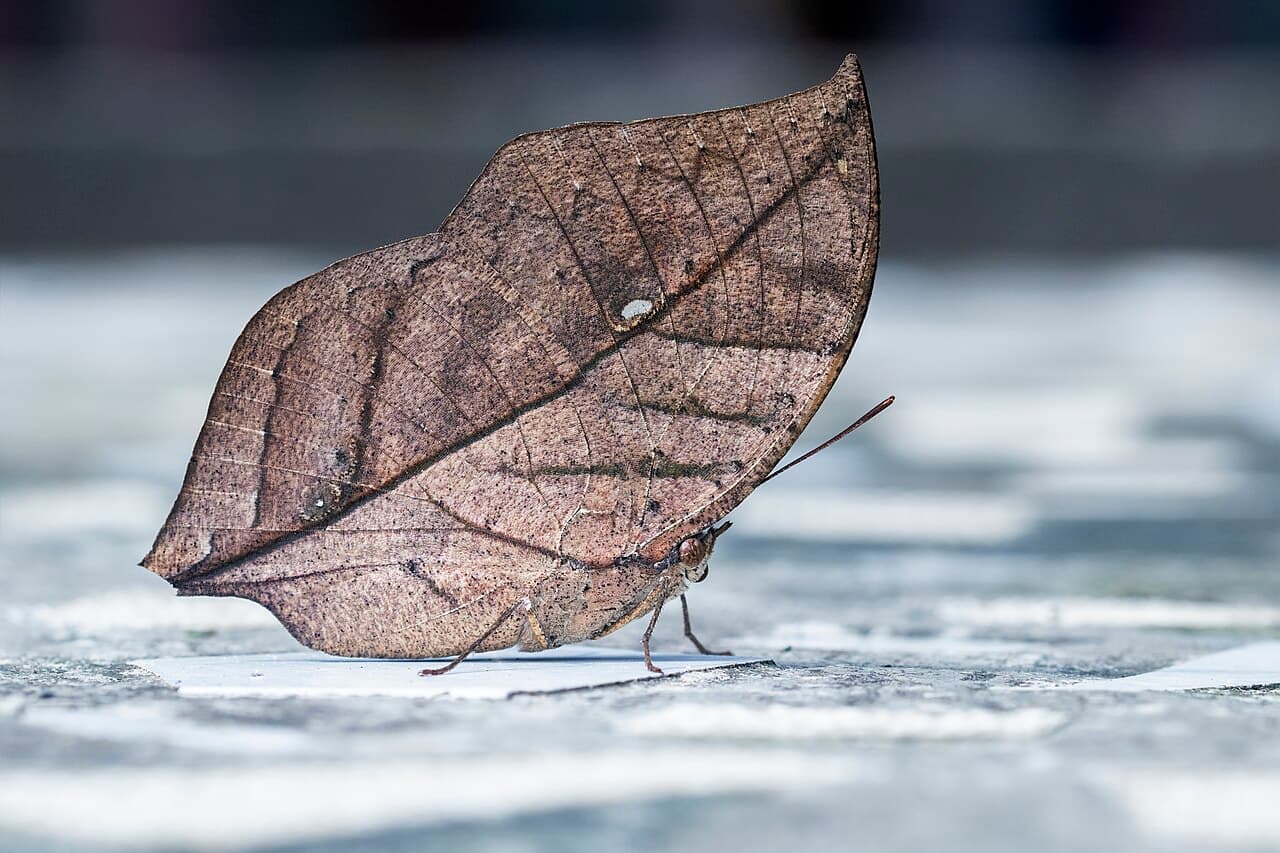
A dead leaf butterfly can seem to vanish simply by closing its wings. The bright upper surfaces disappear, leaving a brown outline with markings that resemble leaf veins.
The species Kallima inachus is also called the orange oakleaf. It offers an extraordinary example of an animal resembling an object rather than another animal.
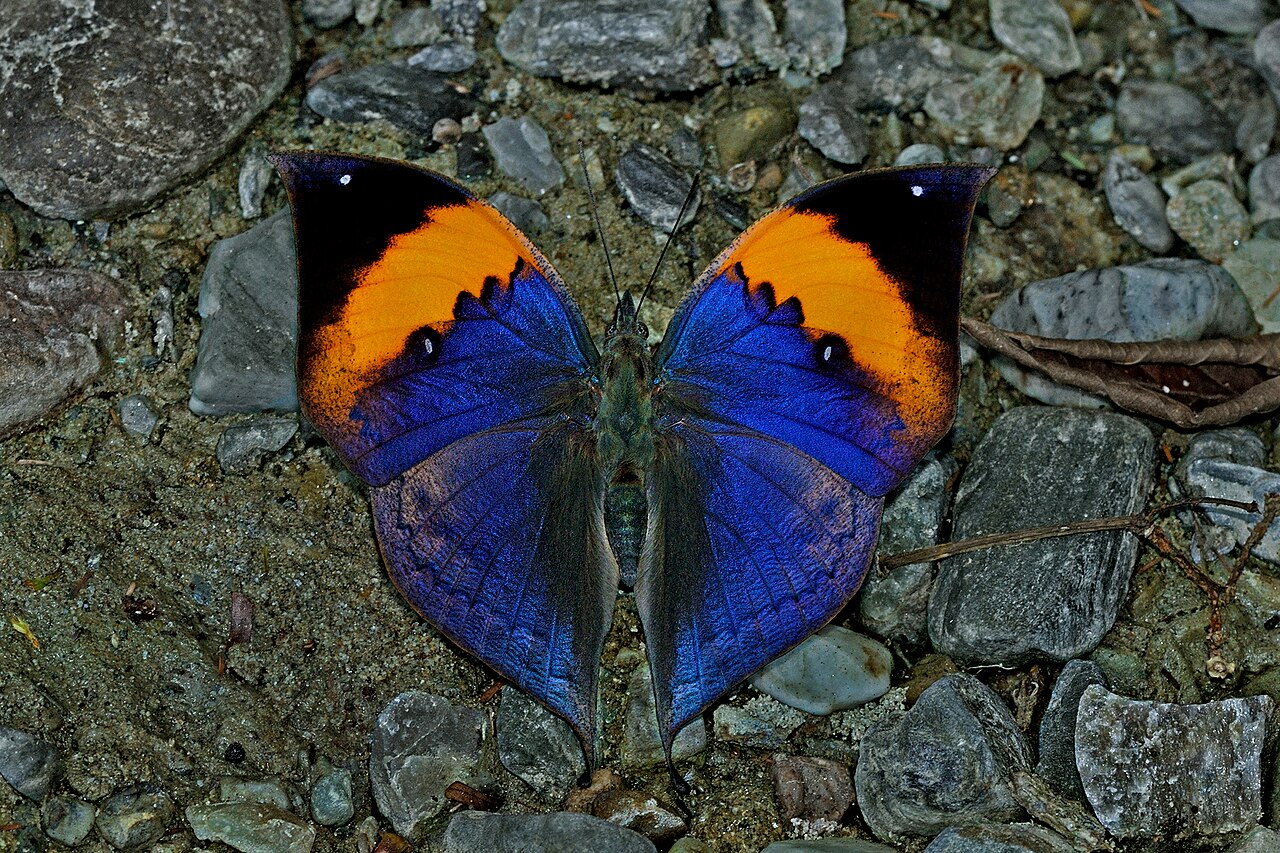
Two sides of the same wings
With the wings open, blue and orange areas stand out. Close them, and the undersides line up into a leaf-like shape.
The Smithsonian's orange oakleaf collection record identifies the species. Its appeal goes well beyond an unusual common name.
Look closely at the resting insect. A pointed end, a central line, and smaller branching marks work together to strengthen the impression of a dried leaf.
A disguise tested with predators
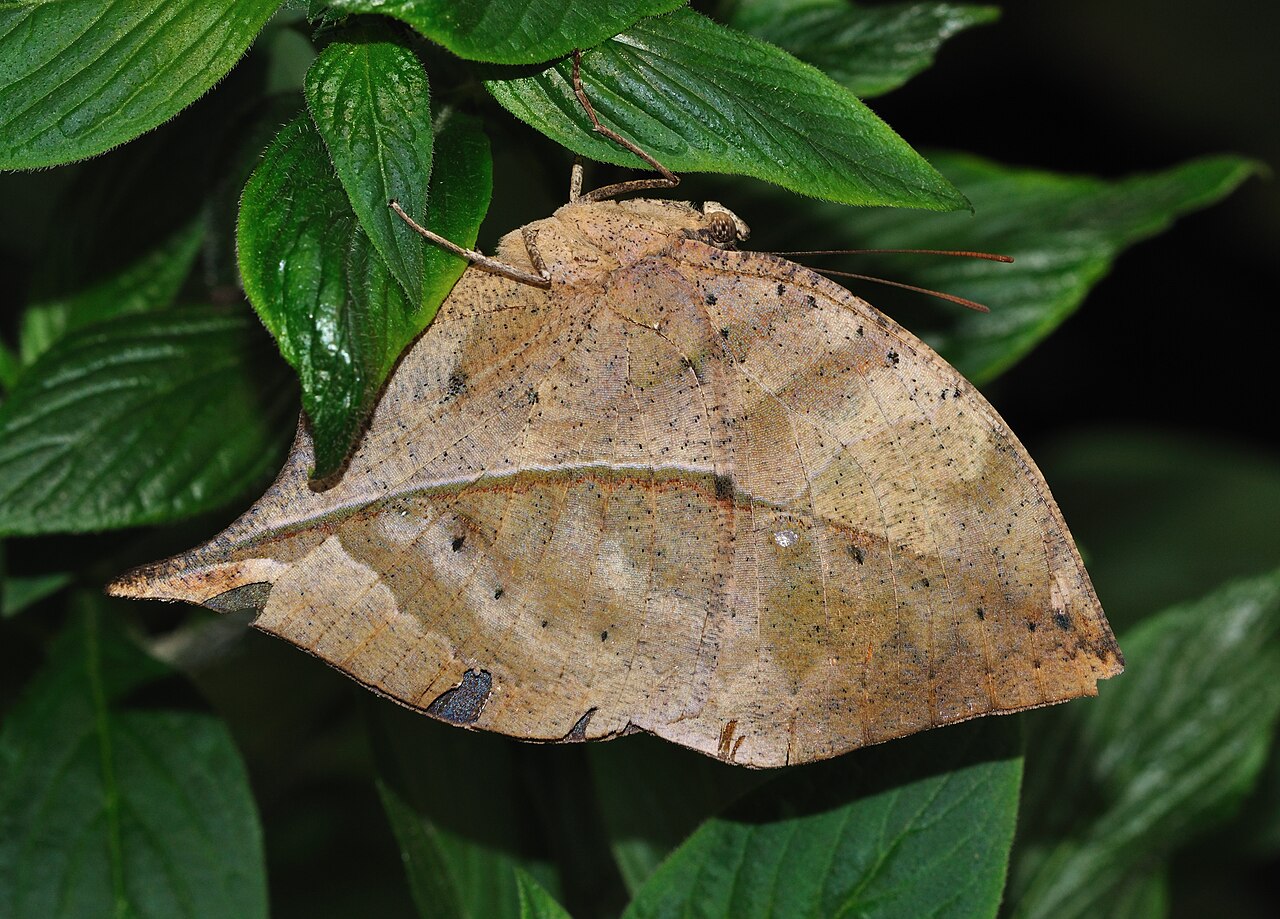
This type of resemblance is called masquerade. A predator may see the shape but mistake it for something inedible.
A 2024 experimental study tested dead-leaf masquerade using domestic chicks. The research supported a protective role for the butterflies' resemblance to leaves.
That does not mean every predator is always fooled. It shows how an impressive appearance can be tested rather than admired alone.
How a leaf pattern develops through evolution
Comparative research published in 2014 traced elements of the pattern across related butterflies.
The researchers reconstructed a gradual history of changes in existing wing markings. A complex leaf-like design need not appear all at once.
Let the small details return
Once you spot the legs and antennae, the leaf becomes a butterfly again. The animal was there throughout; your interpretation changed.
The dead leaf butterfly makes an ordinary-looking brown shape worth a second glance. Some of nature's most remarkable sights begin with noticing what you nearly overlooked.
Photo credits
Featured image: Close wing basking of Kallima inachus Doyere, 1840 – Orange Oakleaf WLB - MG 9525.jpg — SVKMBFLY; CC BY-SA 4.0.

Body image 1: Open wing position of Kallima inachus Doyere, 1840 – Orange Oakleaf WLB DSC 0288.jpg — Atudu; CC BY-SA 4.0.

Body image 2: Kallima inachus qtl1.jpg — Quartl; CC BY-SA 3.0.

Photographs resized for web display where available.