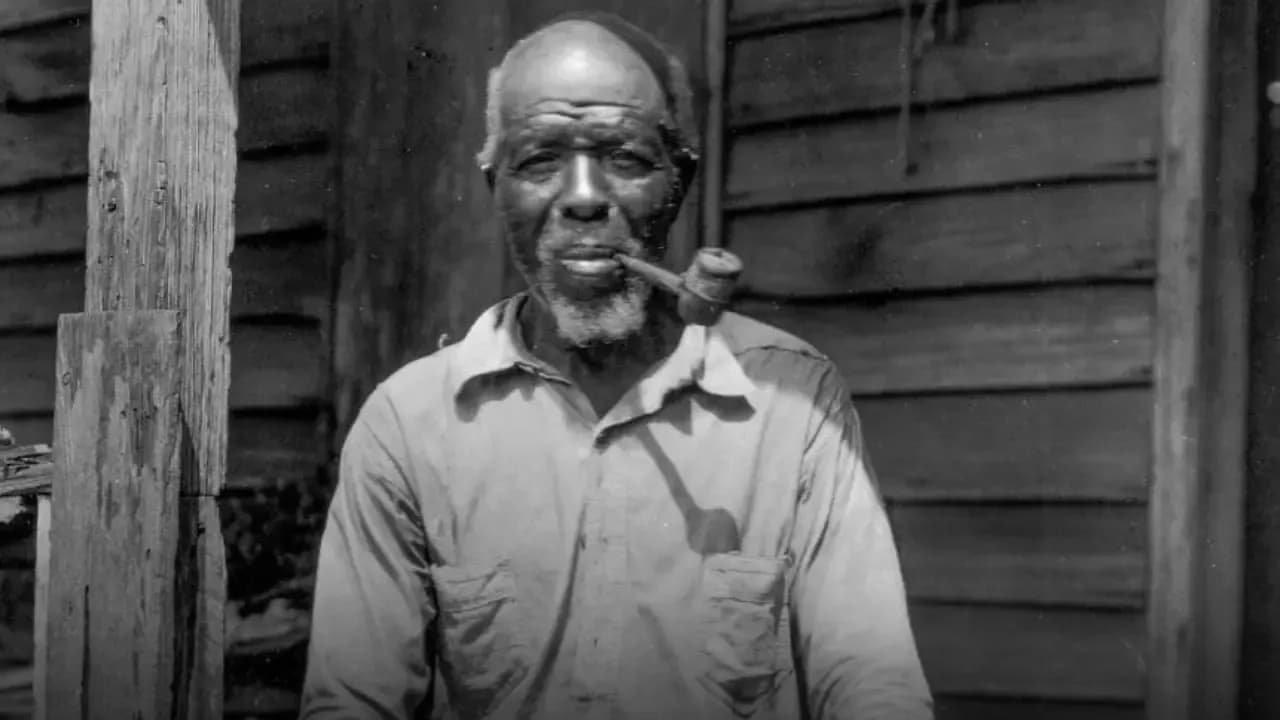
In 1860, a ship called the Clotilda quietly sailed into the Mobile River in Alabama. It carried about 160 kidnapped people from West Africa. The slave trade had already been outlawed in the United States for over 50 years. But some men still broke the law to make money.
One of those captives was a young man named Oluale Kossola. Americans later called him Cudjo Lewis. He was just 19 years old when everything changed.
Quick Facts: Cudjo Lewis
- Born: ca. 1841 in Benin, West Africa
- Slave Ship: Clotilda (arrived illegally in 1860)
- Founded: Africatown in 1872
- Known For: Preserving African traditions in America
- Died: 1935 at age 94 in Africatown, Alabama
From Village Boy to Captive
Cudjo was born in what is now Benin, in West Africa. He lived in a walled town with many siblings and trained to become a warrior. He learned to hunt, track, and defend his home. His life was peaceful until the Kingdom of Dahomey attacked.
The attackers killed many people and took others as prisoners, including Cudjo. The captives walked for days to the port city of Ouidah. There, Cudjo was sold to an American named William Foster, captain of the Clotilda.
He and more than 100 others were forced onto the ship. Packed in tight with little food or water, they endured 45 brutal days crossing the Atlantic, a journey known as the Middle Passage.
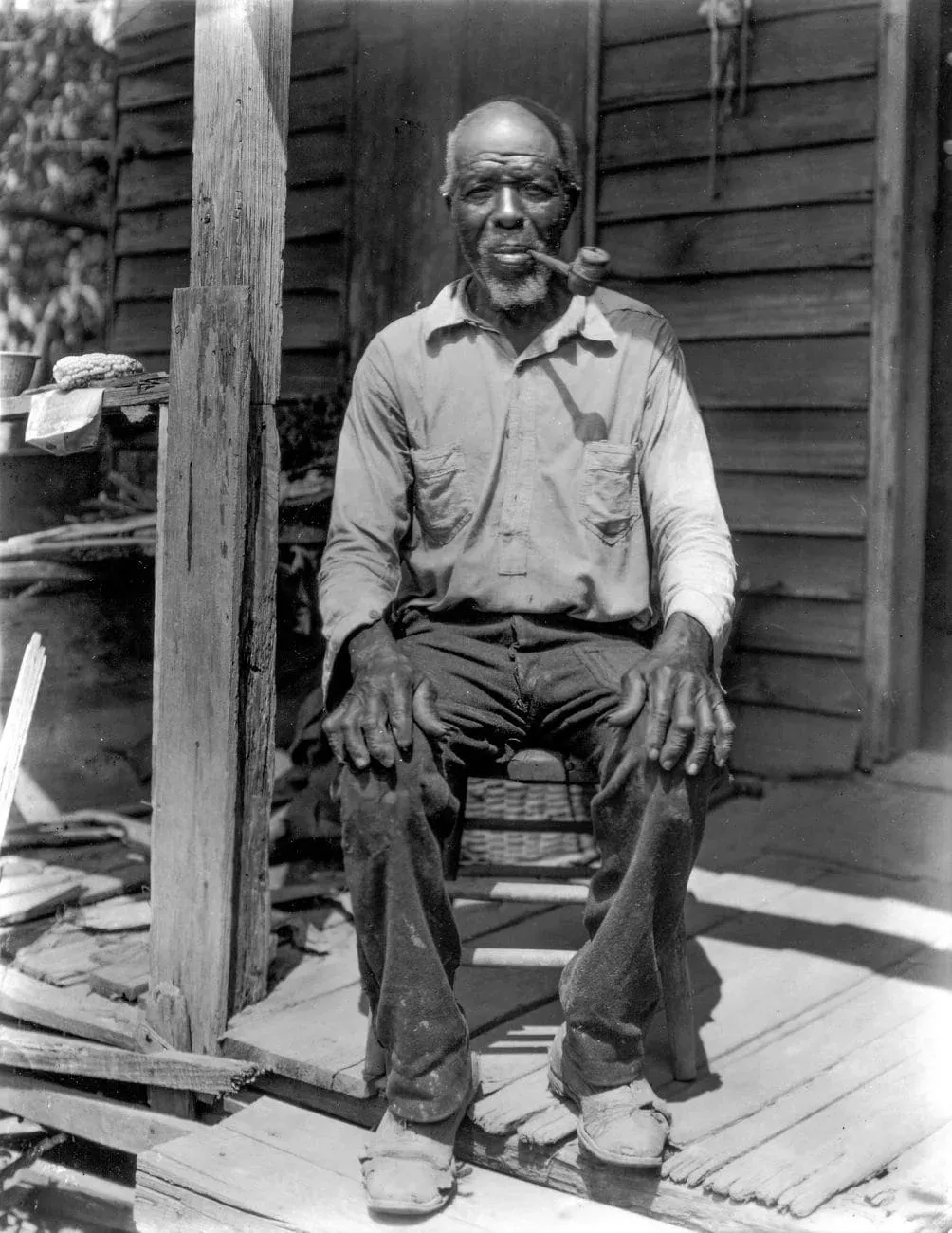
Image courtesy of Encyclopedia of Alabama
Slavery in Secret
The Clotilda landed in Alabama. Its owner, Timothy Meaher, knew his actions were illegal. He destroyed the ship and hid the Africans in swamps to avoid being caught.
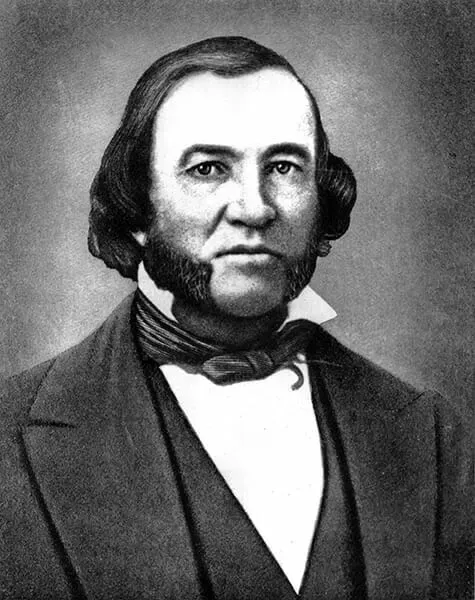
Image courtesy of Encyclopedia of Alabama
Cudjo was sold to Timothy’s brother, James Meaher. James could not pronounce “Kossola,” so Cudjo told him to use a name from his homeland. “Cudjo” was a name given to boys born on Monday. He later received the last name “Lewis,” which came from his father’s name, Oluale.
Cudjo worked as a steamboat deckhand for five years. In 1865, slavery ended, and he became a free man. But he was still far from home and had no way to return.
Africatown: Building a New Home
After gaining freedom, Cudjo and other Clotilda survivors wanted to go back to Africa. They worked hard and sold vegetables to raise money. But the journey home was too expensive.
Instead, they made a brave decision. If they could not return to Africa, they would create a new Africa in Alabama.
They asked Meaher for land. He refused. So they saved again. In 1872, Cudjo bought two acres of land for $100 and helped build a new town called Africatown.
Africatown was unique. People spoke African languages, lived in close family groups, and followed their cultural traditions. They appointed community leaders, built a church, a school, and a cemetery. It was a home for people who had lost everything but still wanted to keep their culture alive.
Life, Loss, and Love
Cudjo married a woman named Abile, who had also been on the Clotilda. They had six children, five sons and one daughter. Each child was given both an African and an American name. Sadly, all of them died young due to illness, accidents, or violence.
Abile died in 1908. By then, Cudjo had lost his entire family, but he held on to his memories and continued to tell his story.
He worked as a farmer until a train accident left him injured. After that, he became the caretaker of Africatown’s Baptist church.
Sharing His Story With the World
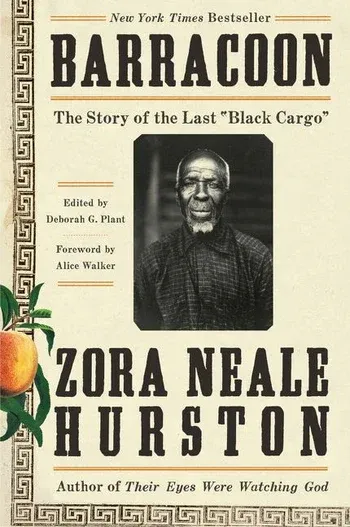
In his later years, Cudjo began sharing his life story. A writer named Emma Langdon Roche interviewed him and wrote about him in a book published in 1914. Then in 1927, Zora Neale Hurston, a young anthropologist, visited him.
Hurston filmed Cudjo, took his photo, and recorded his voice. Her book, Barracoon: The Story of the Last “Black Cargo”, was finally published in 2018.
Through these interviews, Cudjo helped the world understand the horrors of slavery and the strength of African culture.
Africatown Today
Cudjo Lewis died in 1935 at age 94. He was buried in Plateau Cemetery in Africatown, where many of his friends and family also rest.
In 2019, something incredible happened. The wreck of the Clotilda was found in the Mobile River. In 2023, the Africatown Heritage House opened. It now shares the story of the Clotilda and the people it carried.
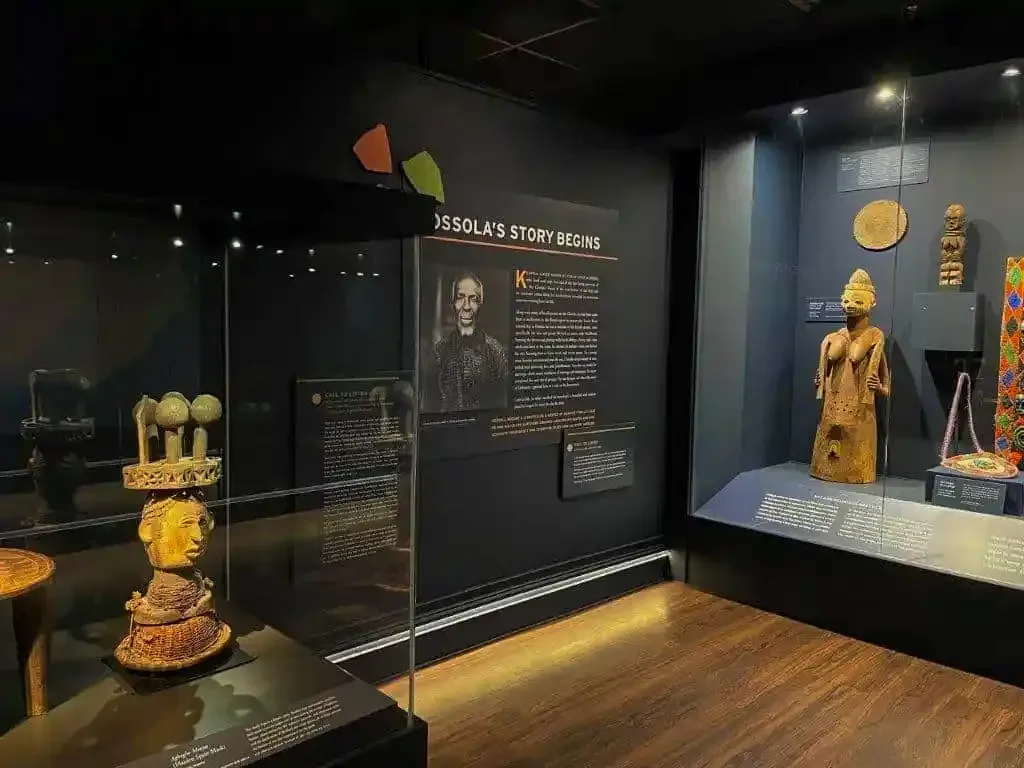
Image courtesy of Encyclopedia of Alabama
Today, some of Cudjo’s descendants still live in Africatown. Others are working hard to preserve its history and fight for its future.
Why Cudjo’s Story Matters
Cudjo Lewis was more than a survivor. He was a builder, a leader, and a storyteller. He lost his home, his freedom, and his family. But he never gave up his identity.
He turned pain into strength. He took land that was not his and made it a home. He made sure his culture was not forgotten.
Africatown is still here. His voice is still being heard.
Also read: The Battle of Alcatraz: A Prison War Like No Other