A 40-hectare maize field is an unusual place to find a prison rehabilitation project. Yet at Burkina Faso’s Baporo Agricultural Penitentiary Center, people in custody are growing crops as authorities seek to connect serving a sentence with learning useful skills.
The field was described in an official presidential report dated April 22, 2026. It offers a glimpse of a wider effort to give eligible offenders an alternative way to serve their sentences.
More than 1,000 sentence conversions
According to Burkina Faso’s legislature, at least 1,058 convicted people had received sentence conversions to community service by December 31, 2025.
Their work included agricultural production at Baporo, Faso Mêbo projects and other labor-intensive activities. That figure covers the wider community-service scheme; it is not a count of people farming at Baporo alone.
The approach is known in French as travail d’intérêt général, or TIG: work carried out for the public benefit.
What happens at Baporo?
Baporo is an open agricultural prison in Burkina Faso’s Sanguié province. People held there undertake farming and livestock activities. The presidency’s April 2026 account described the 40-hectare maize field being cultivated during the dry season.
Officials present this work as a way for people to contribute while learning a trade and preparing for life after detention. Agricultural work at an open prison still takes place within the prison system; it should not be confused with an unrestricted release.
The maize field is also only part of the center’s agricultural activity. Burkina24’s September 2025 reporting described 130 hectares under cultivation that season, with crops including rice, maize, sorghum, soybeans, cowpeas and sesame. Different dates and crop areas explain why reports may mention different field sizes.
An alternative with limits
This is not a blanket replacement for imprisonment.
On October 14, 2026, lawmakers adopted a revised community-service bill. The legislature’s account says it excludes infractions criminelles—the most serious category of offenses—and terrorism-related offenses. It also describes a permanent sentence-conversion mechanism and an expansion beyond manual work to include intellectual services.
The stated aims include easing prison overcrowding and supporting reintegration. Those are policy goals; the participation figure alone does not establish how well the scheme prevents reoffending. Source: legislative account of the reform.
What a second chance can mean
A harvest is a visible result. Rebuilding a life is harder to measure.
Baporo’s story raises a worthwhile question: how can a sentence hold someone accountable while also helping them return to society with useful skills? Farming offers one possible route. Its lasting value will depend on what people can do with that experience afterward.
Image credits
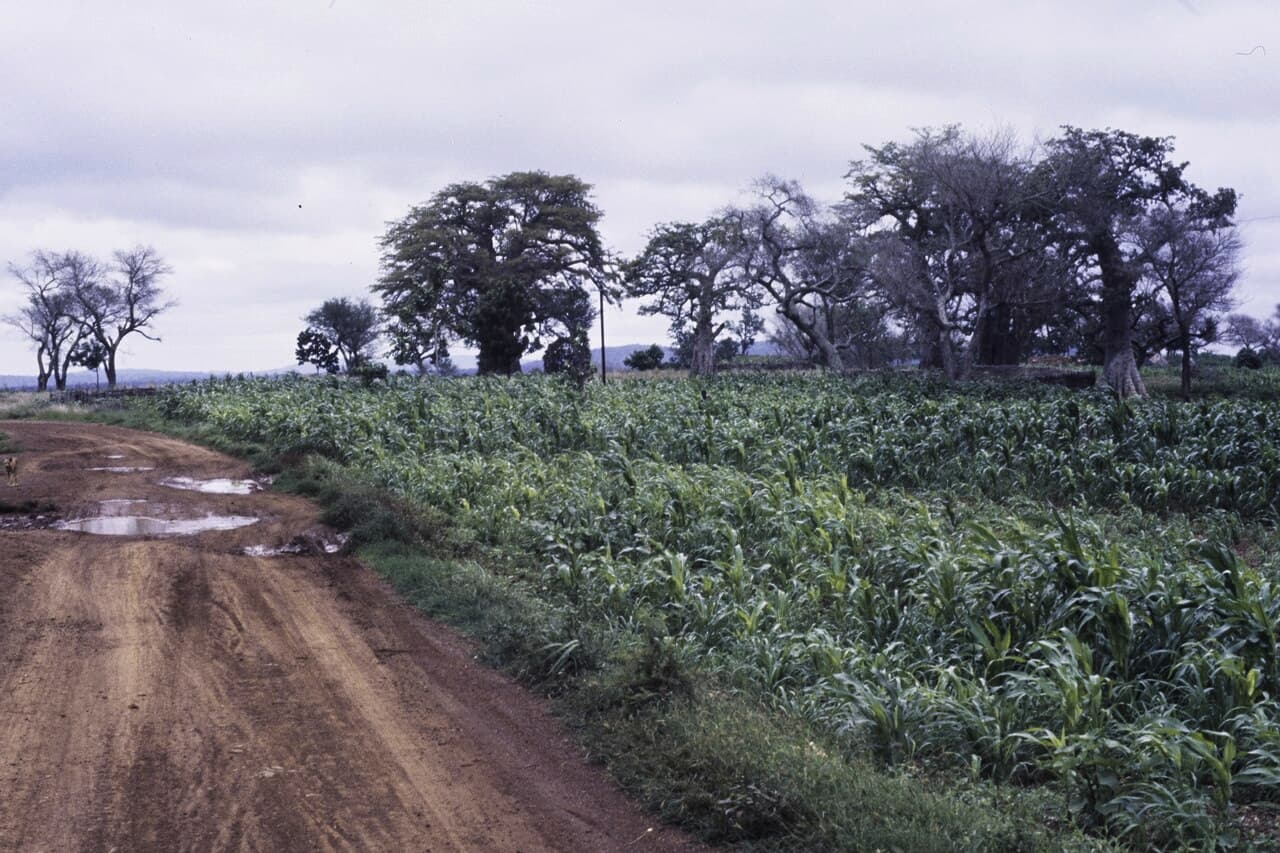
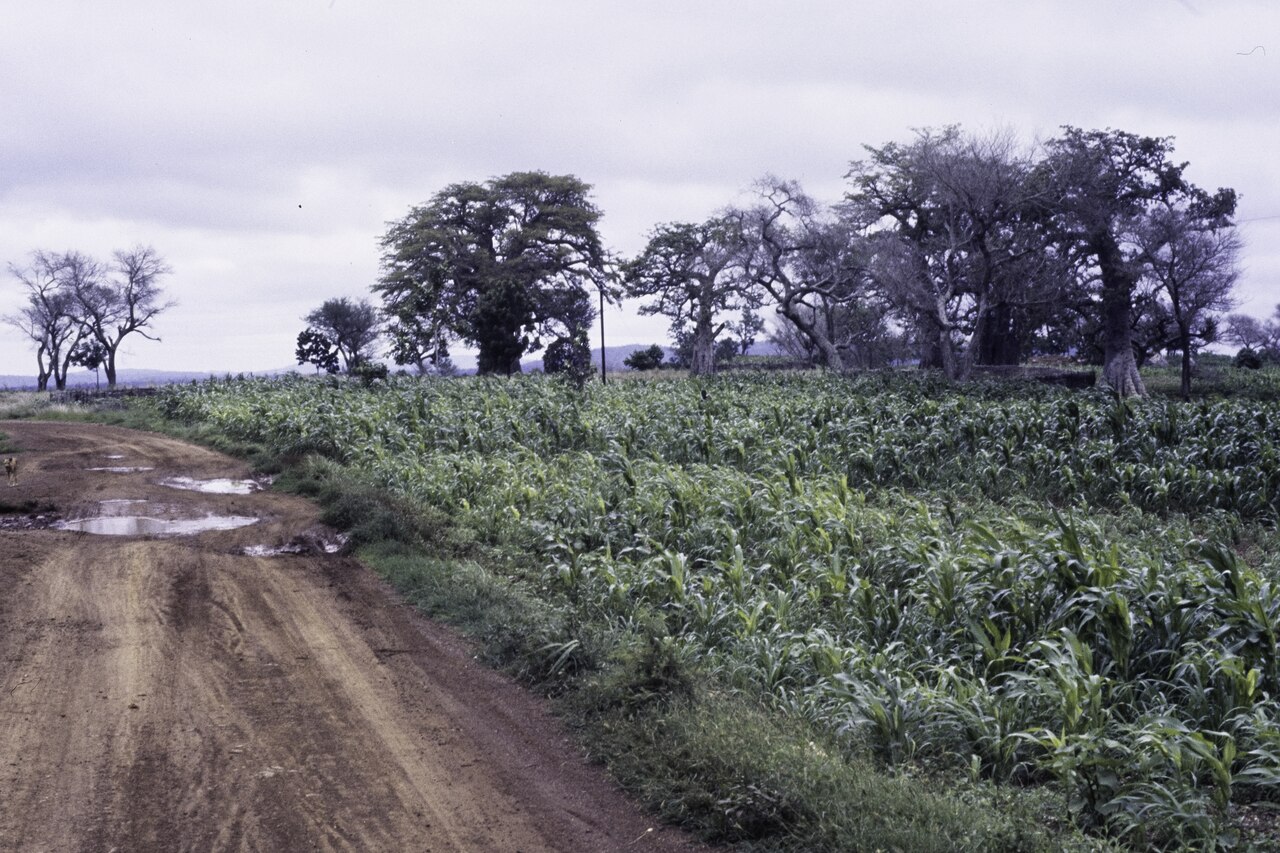
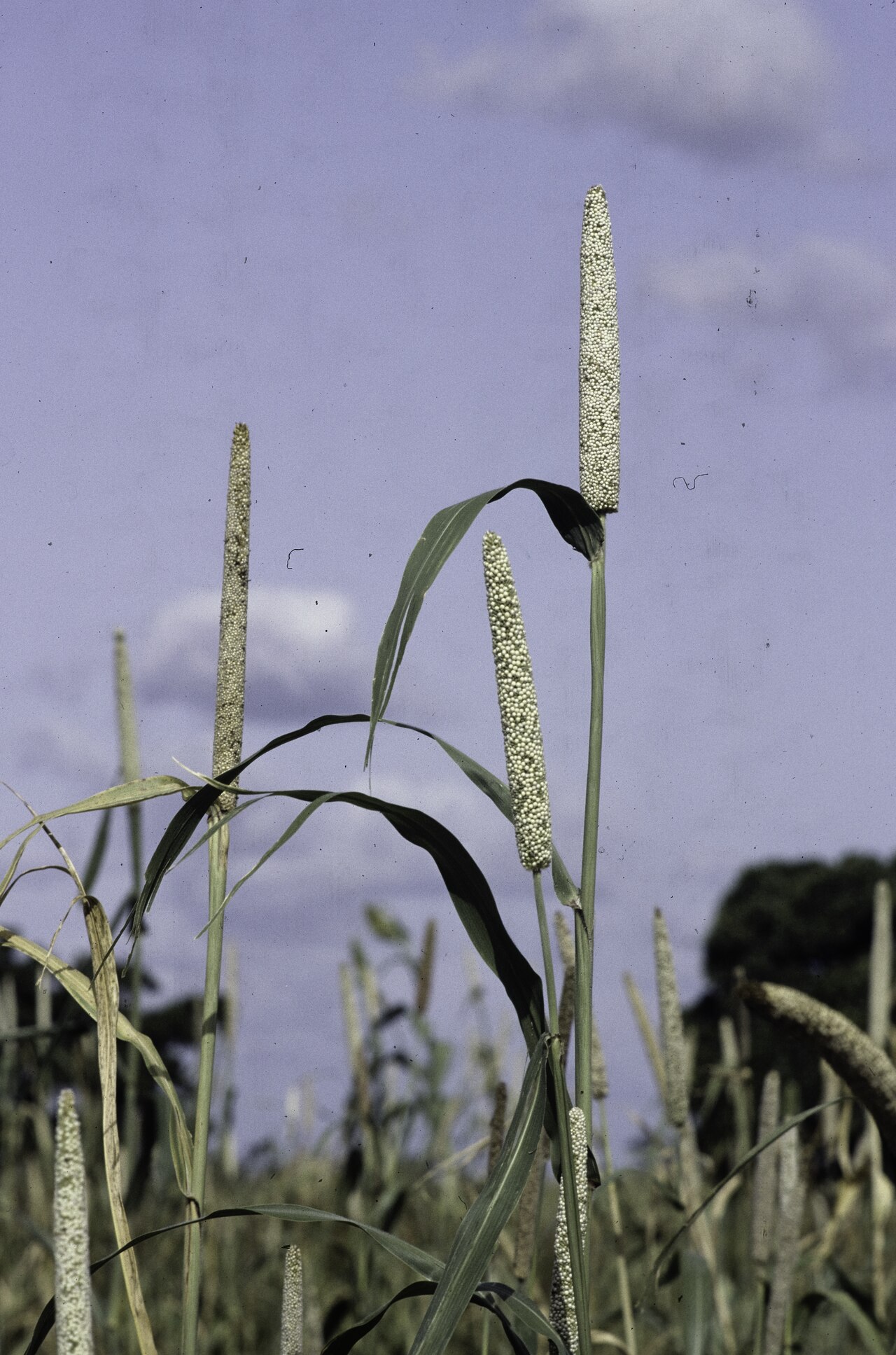
Both photographs show historical agricultural landscapes in Burkina Faso, not Baporo, its prisoners or the current program.
- Poni field, 1982: Fred van der Kraaij / African Studies Centre Leiden, original photograph.
- Mossi Plateau millet, 1982: Fred van der Kraaij / African Studies Centre Leiden, original photograph.
Both images are used under CC BY-SA 4.0, resized for web display.