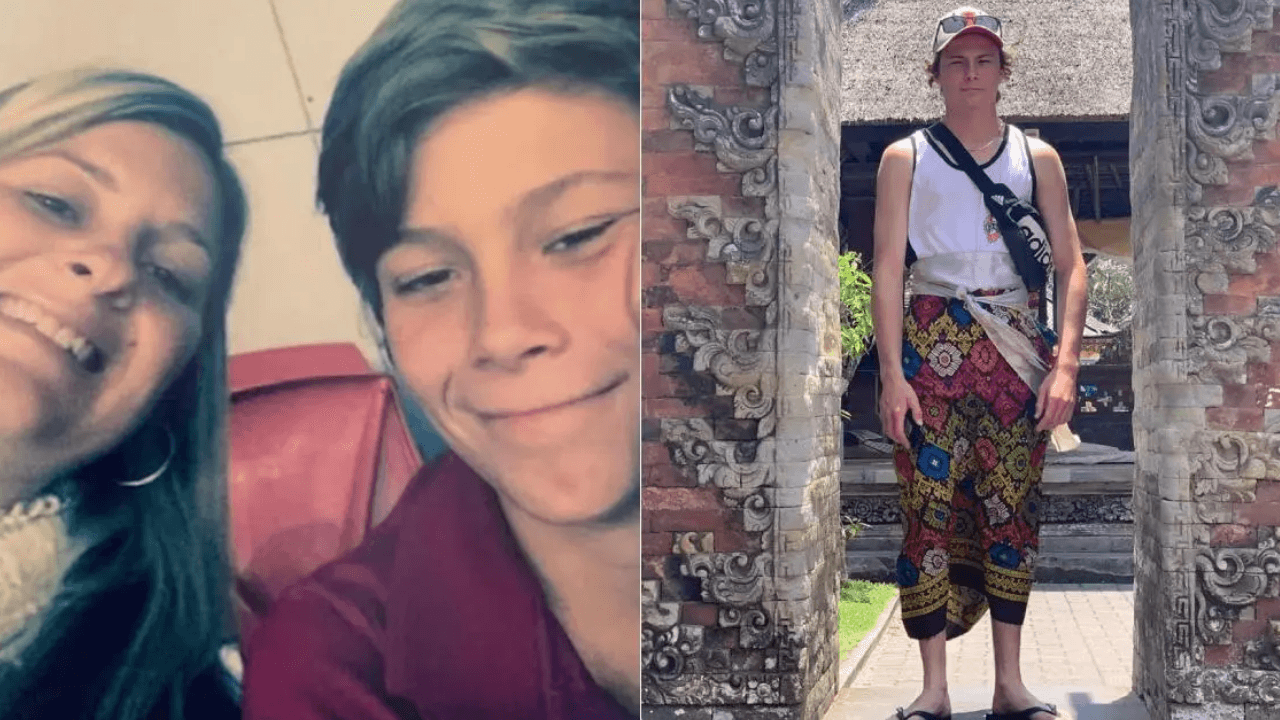
A grieving Australian family says their son’s body was sent home from Bali without his heart, leaving them devastated and demanding answers.
A Shocking Discovery
Byron Haddow, 23, from Noosa in Queensland, was found dead in a private villa pool on May 26. Nearly four weeks later, his body was repatriated to Australia for burial. Just two days before his funeral, however, the Queensland Coroner informed the family that Byron’s heart had been left behind in Bali.
“This is inhumane. This is devastating beyond words,” his parents, Robert and Chantal Haddow, said in a statement, describing the ordeal as filled with delays, secrecy, and silence. The couple said they never consented to any organ removal and were never informed by authorities in Indonesia.

Conflicting Reports
A death certificate from BIMC private hospital listed drowning as the cause of death. But the family argues the story does not add up. Byron was 178 cm tall, a strong swimmer, and the pool was only 150 cm deep. His body also showed cuts and bruises, and blood was found on towels used to wrap him.
Police delayed reporting the incident for four days, and by the time officers inspected the scene, it was already contaminated, according to news.com.au.
Autopsy Raises More Questions
Under Indonesian law, a forensic autopsy allows pathologists to remove organs without family consent. Dr. Nola Margaret Gunawan, the forensic specialist assigned to the case, confirmed she had removed Byron’s heart during the procedure. She later cited alcohol and antidepressants as possible factors in his death but admitted she could not rule out foul play.
Byron’s mother said, “We thought at least we could say goodbye to him and lay him to rest. But then to learn they’d taken his heart, and that no one else knew, not even the consulate in Bali, it was a big shock.”
Return of the Heart
The family eventually paid AUD 700 to have Byron’s heart transported back to Australia months later, long after his funeral. Ian Giovanni, director of the Bali Funeral Home, criticized the lack of communication, saying, “They should have explained it to the family first, and at the very least they should have sent the heart back.”
Byron’s mother remains convinced her son was “set up, drugged, and robbed.” The family is calling for a full investigation into what happened in Bali and why such a vital part of their son’s body was left behind without consent.
The case adds to broader concerns about transparency and medical practices in international deaths. Families often rely on local authorities abroad for information, which can create gaps in communication and lead to painful outcomes.
For official resources on handling international deaths and repatriations, families can consult the U.S. Department of State or the Australian Department of Foreign Affairs and Trade.