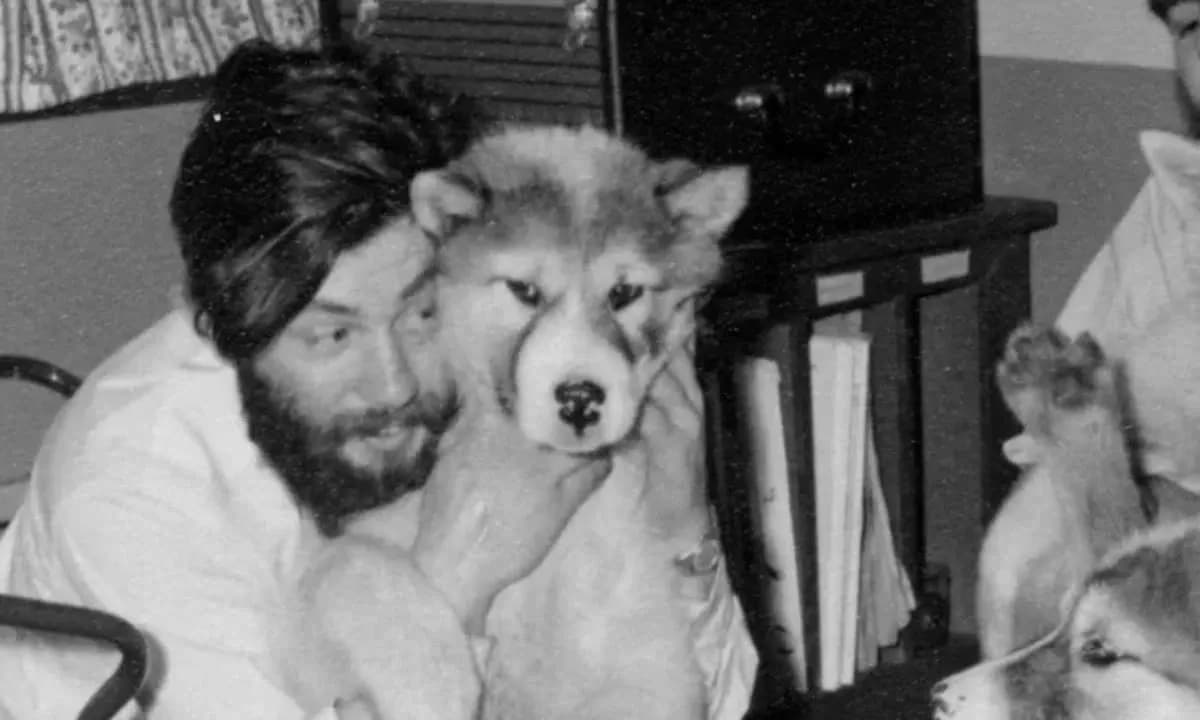
On a freezing July day in 1959, 25-year-old Dennis “Tink” Bell vanished into the depths of a crevasse on King George Island, Antarctica. He was a young British meteorologist working for the Falkland Islands Dependencies Survey (FIDS) — the organisation that would later become the British Antarctic Survey. That day, the ice swallowed him whole. His body was never recovered.
For his family, the loss was sudden and without closure. “It was a horrendous moment,” recalls his brother, David Bell, now 86, remembering when the telegram arrived at their London home. Their mother never spoke about it again. There was no service, no grave — just an absence.
Dennis had been posted to Admiralty Bay in 1958, a remote base with about a dozen men and a pack of sled dogs. Life there was a mix of harsh work and camaraderie. Reports describe him as “cheerful and industrious, with a mischievous sense of humour.”
He was the hut’s best cook, a skilled meteorologist, and a devoted caretaker to two litters of husky pups. He launched weather balloons every three hours, mapped unexplored parts of King George Island, and kept spirits high with practical jokes.
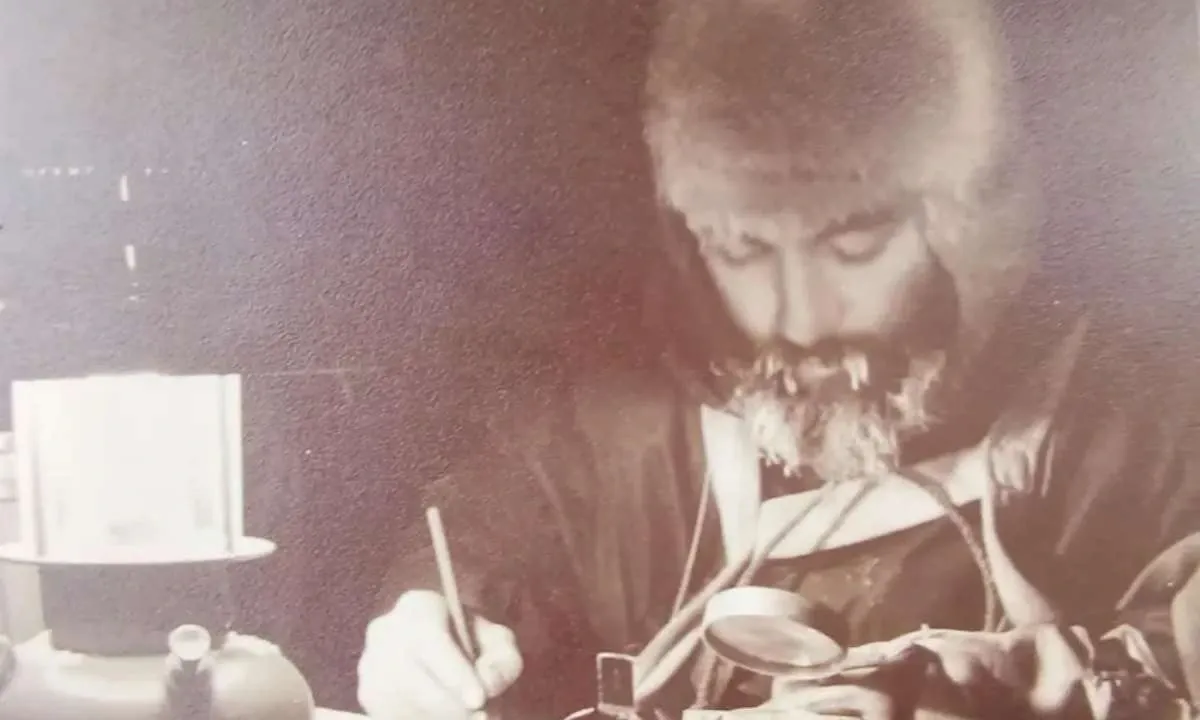
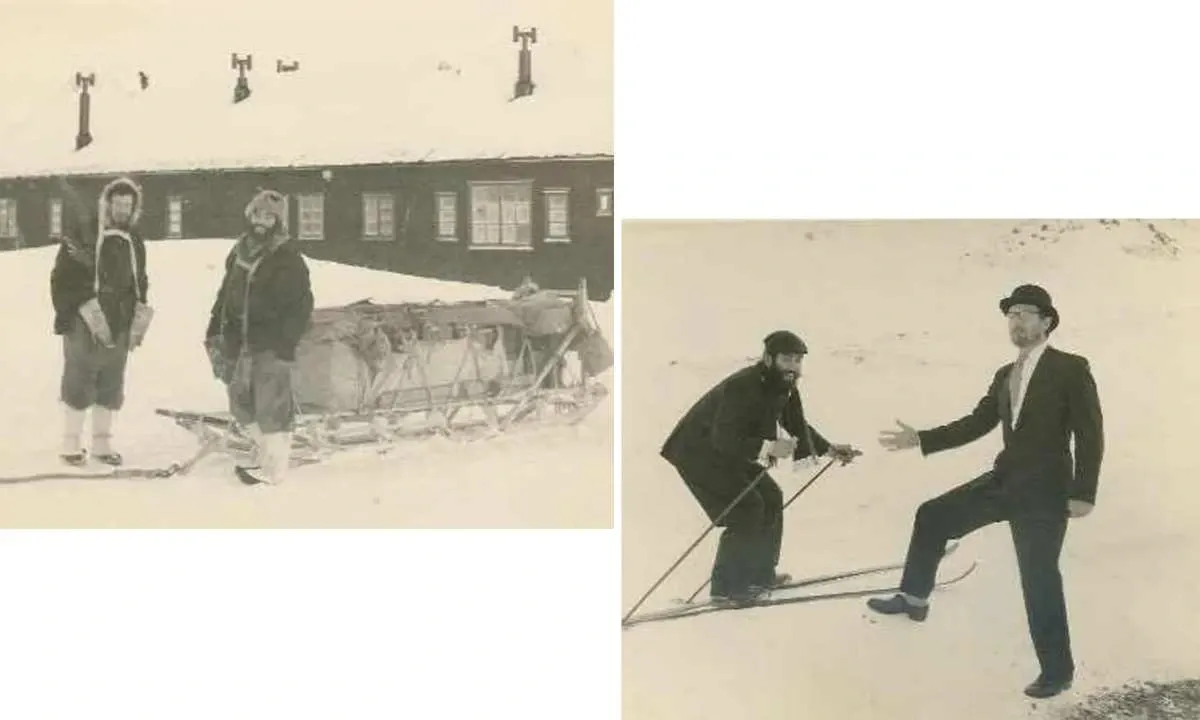
He had long admired the exploits of Antarctic explorers like Captain Robert Scott. For Dennis, the isolation and danger were part of the adventure.
On 26 July 1959, Dennis set out on a glacier survey with colleague Jeff Stokes. The dogs were tiring in the deep snow, so Dennis walked ahead without skis to encourage them. Then, without warning, the snow gave way. He fell through a fragile bridge over a crevasse, disappearing from sight.
Inspired by this story: Young Explorer Lost in an Antarctic Glacier — Found 65 Years LaterBe Adventure-Ready: Comfort That Travels With You
Cold, long days shouldn’t slow you down. Ease the aches fast and keep moving, whether you’re crossing town or chasing horizons.
Shop Limited-Time Offer Powered by everyday explorers • Ships fastStokes shouted into the darkness. Against all odds, Dennis answered. Stokes lowered a rope nearly 100 feet down. Dennis tied it to his belt, and the sled dogs pulled him upward. But as he reached the lip of the crevasse, his body jammed, the belt snapped, and he fell again. This time, there was no reply.
The records from that time are matter-of-fact. “Tink fell down a crevasse and was killed,” one entry reads. A week earlier, another team member had died, and the base was low on morale. Recovery was deemed too risky. The ice kept Dennis.
Decades passed. In 2015, David travelled with the British Antarctic Monument Trust to see the waters near where his brother had lived and died. Sea ice kept him from reaching the hut, but hearing the ship’s horn salute over Admiralty Bay gave him some peace. He thought that was the end of the story.
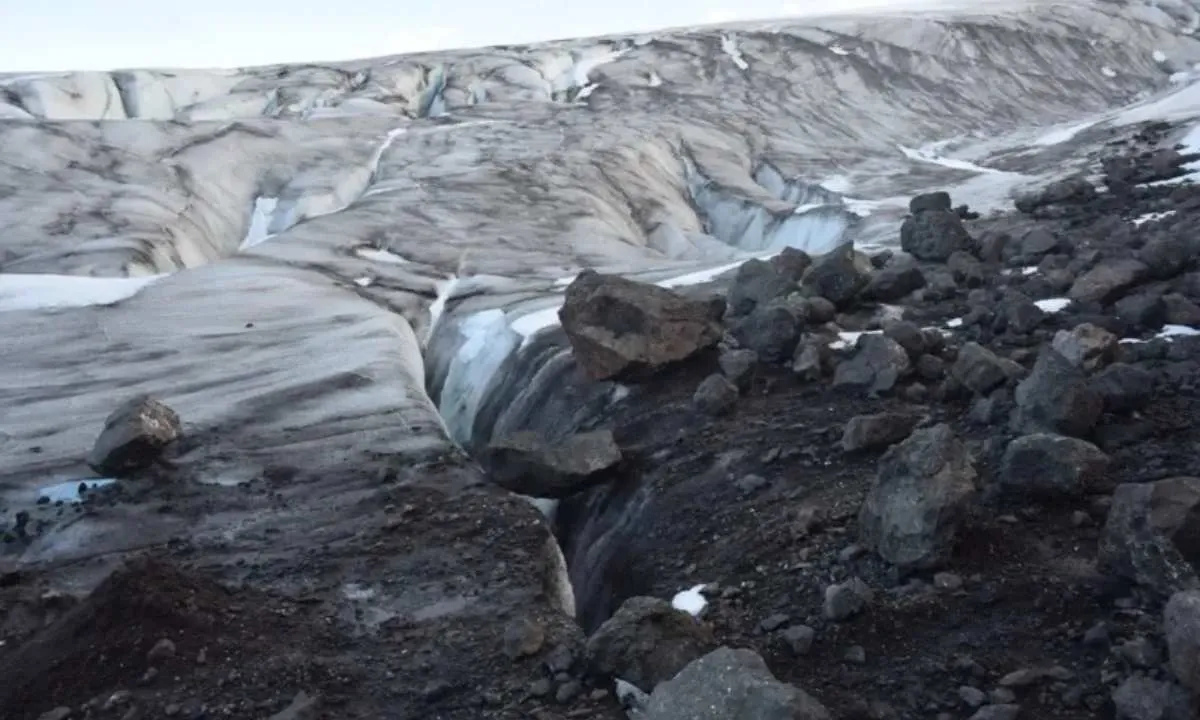
But in January 2025, scientists at the Henryk Arctowski Polish Antarctic Station were exploring near the Ecology Glacier — just a short distance from their base — when they spotted something unusual on the rocky moraine. A wristwatch. A radio. A pipe. And then, bones.
The glacier had been retreating under the effects of climate change, exposing debris and remains long buried in the ice. Over several days in February, a Polish team — Piotr Kittel, Paulina Borówka, Artur Ginter, Dariusz Puczko, and Artur Adamek — carefully retrieved the remains.
The site was dangerous, “criss-crossed with crevasses” and steep slopes up to 45 degrees. Alongside the bones, they found bamboo ski pole fragments, an oil lamp, tent material, and more than 200 personal items.
DNA testing confirmed the match — the remains were more than a billion times more likely to be related to David Bell and his sister Valerie than anyone else. After 65 years, Dennis had been found.
“The place where Dennis was found is not the same as the place where he went missing,”
the team explained.
Glaciers slowly flow under their own weight, carrying anything within them. Over decades, Dennis had travelled inside the ice before finally emerging near the sea.
For David, the news brought mixed emotions.
“I’m just sad my parents never got to see this day. It’s wonderful; I’m going to meet my brother. You might say we shouldn’t be thrilled, but we are. He’s been found — he’s come home now.”
David Bell Said.

Soon, Dennis will be laid to rest in England, finally ending a story that began on a desolate Antarctic glacier more than six decades ago.
Disclosure: We may earn a commission when you make a purchase through the ads.