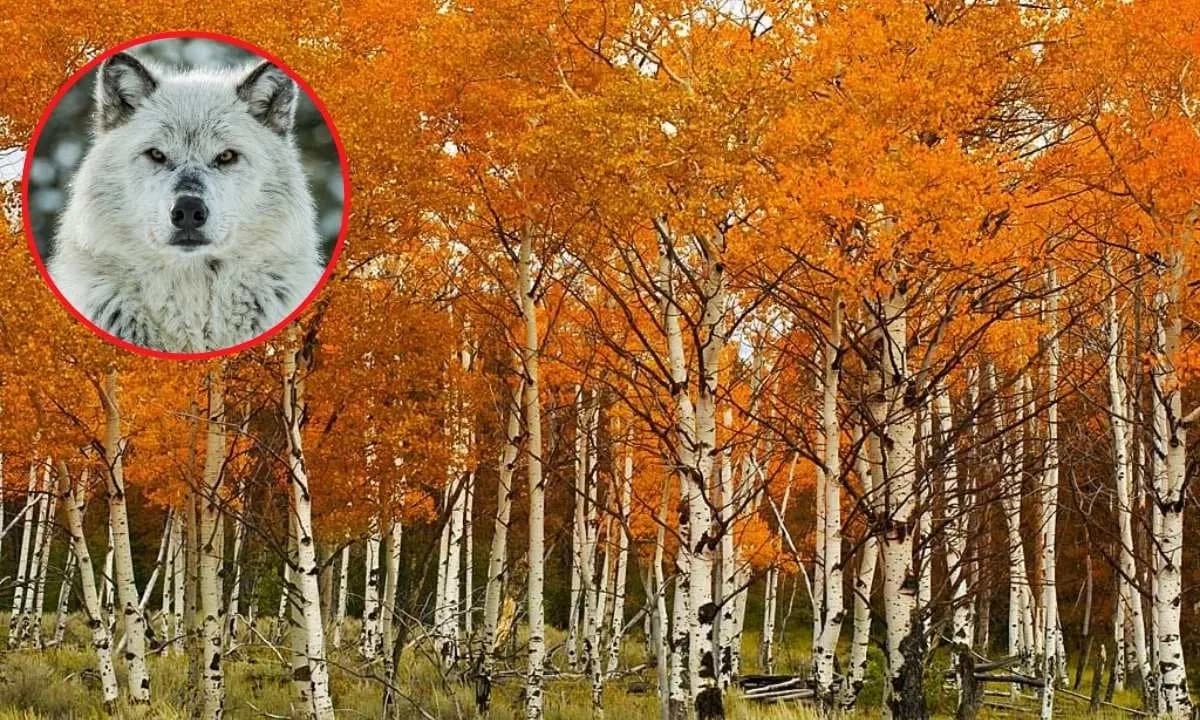
In 1995, something remarkable happened in Yellowstone National Park—a story of revival, nature’s resilience, and the return of balance. After more than six decades of absence, gray wolves were reintroduced to the park, and their return marked the beginning of an astonishing ecological transformation. For the first time in 80 years, aspen trees, once nearly wiped out by elk, started growing again in the northern part of the park. This resurgence was more than just a restoration of trees; it was the spark of a larger change that affected the entire ecosystem.
A Lost Predator, A Missing Balance
The gray wolves that once roamed Yellowstone had vanished by the 1930s due to hunting, habitat loss, and government eradication programs. Wolves were the apex predators, keeping elk populations in check. Without them, the elk population boomed, reaching overwhelming numbers. As a result, these herbivores overgrazed on plants like grasses, shrubs, and especially young aspen trees. These saplings, unable to grow or mature, were devoured before they had a chance to thrive. For decades, the landscape was devoid of new aspen trees.
By the 1990s, surveys revealed a bleak picture—no aspen saplings could be found anywhere in Yellowstone. The towering old aspen trees were dying, but there were no new shoots to take their place, and the lack of regeneration was threatening the long-term survival of the species in the park.
The Return of the Wolves
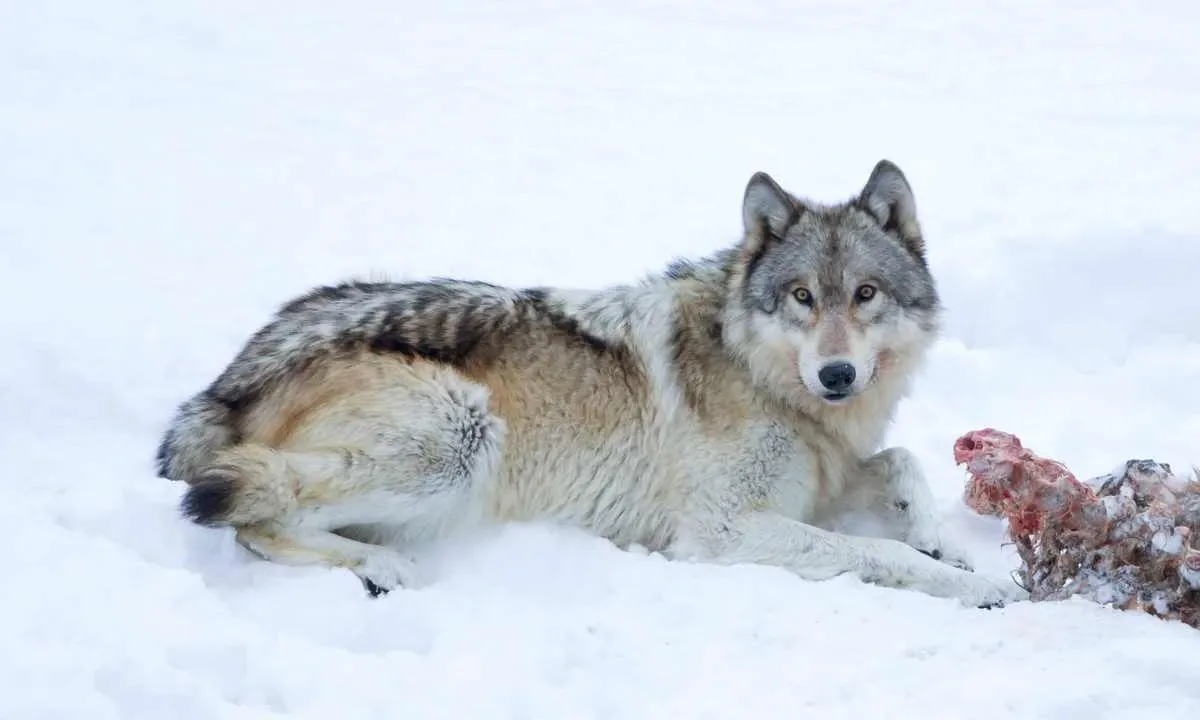
The reintroduction of wolves to Yellowstone in 1995 was a bold move by conservationists who believed that restoring the natural predator-prey dynamic would benefit the entire ecosystem. Initially, the wolves struggled to settle in, but over time, they adapted to the area and began hunting the elk. This significantly reduced the elk population, and with fewer elk around, the pressure on the young aspen saplings diminished.
A recent study published in Forest Ecology and Management highlighted the results of this ecological intervention. The researchers found that for the first time in decades, young aspen trees were growing again. In fact, 43% of the sample sites they surveyed contained aspen saplings that had grown at least two inches in diameter—a significant indication of survival and growth. The number of aspen saplings had increased 152-fold from 1998 to 2021.
Ecological Restoration: Aspen Trees and More
This unexpected but welcome change is part of a broader story of ecological restoration, one where the ripple effects of reintroducing a predator like the wolf have led to significant improvements in biodiversity and ecosystem health. Aspen trees are more than just a beautiful part of the landscape; they are a key species for biodiversity. Their open canopy allows filtered light, creating a habitat for various plants and animals.
As the young aspen trees thrive, they provide food and shelter for a wide range of species. Woodpeckers and tree swallows, for instance, use the trunks of aspen trees for nesting. Beavers, which rely on trees like aspen for food and building material for their dams, also benefit from the resurgence. Even the wolves themselves are part of this larger ecological web, indirectly supporting the growth of vegetation and maintaining the health of the park’s flora and fauna.
The Trophic Cascade Effect
Scientists call this phenomenon a “trophic cascade”—a ripple effect where changes at the top of the food chain cause significant shifts throughout the ecosystem. The wolves, by controlling the elk population, initiated a recovery process that had been shut down for decades. However, it’s not just the elk that have changed. Other species, like bison and grizzly bears, also play roles in the complex web of interactions. Bison, for instance, have increased in number, which could have additional impacts on vegetation, though this hasn’t been as pronounced as the effects from the wolves.
While some scientists debate whether the trophic cascade is fully underway, the evidence of the aspen tree resurgence is undeniable. As lead author Luke Painter, an ecologist at Oregon State University, explained, the increased number of saplings is a clear sign that the trees are becoming more resilient as they grow larger and stronger.
What Lies Ahead for Yellowstone’s Ecosystem?
Though the restoration of aspen trees is a success, it’s not entirely smooth sailing yet. The bison population, which has grown in recent years, also grazes on young aspen shoots, which may slow down the trees’ full recovery. However, scientists remain optimistic. As the park’s ecosystem continues to evolve, it is clear that the return of wolves has already set in motion a positive trend for biodiversity.
This success story isn’t just about wolves and aspen trees—it’s a testament to the power of nature’s balance and the impact of reintroducing a species that once played such a vital role in maintaining it. The return of the wolves to Yellowstone is proof that we can help restore ecosystems, even after decades of disruption, and in doing so, we can give nature a chance to heal itself.
The fact that Yellowstone’s aspen trees are now growing again is a victory not just for the trees, but for the entire park and the species that call it home. This case of ecological restoration stands as a remarkable example of how understanding and restoring predator-prey relationships can bring about long-term positive changes.