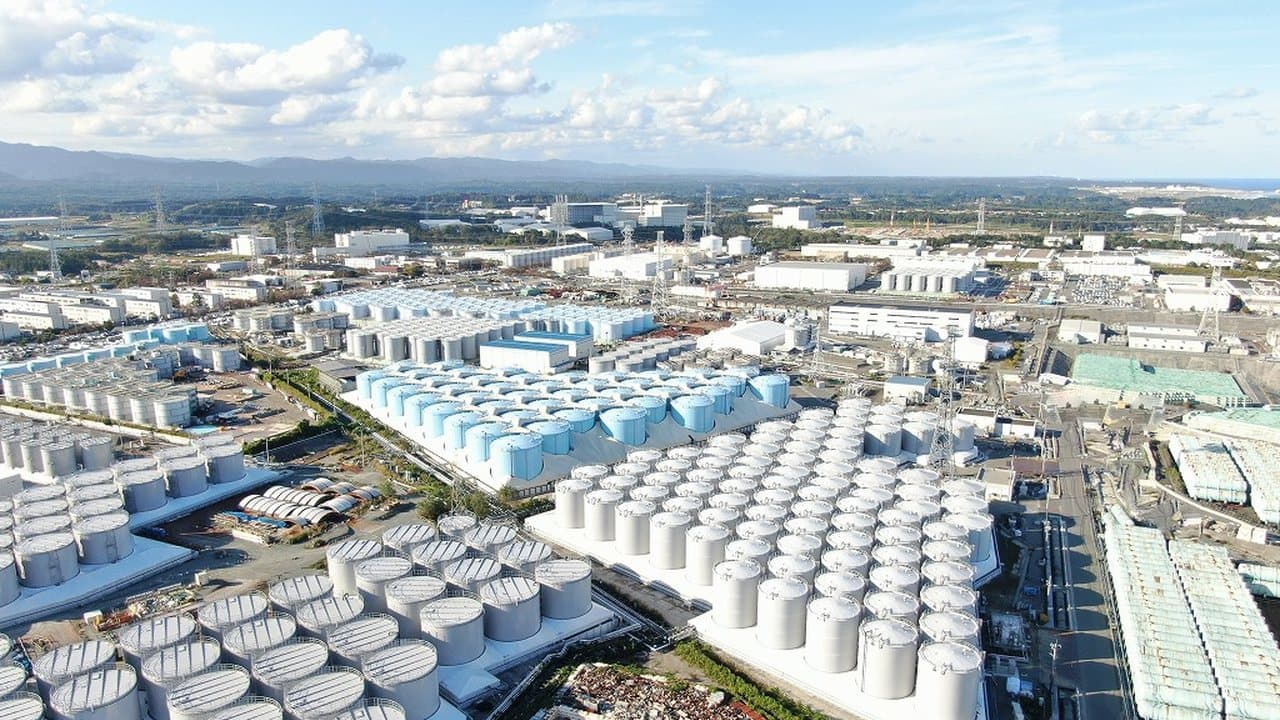
Featured photo: Fukushima Daiichi photographed from the air in 2021, a decade after the disaster. The volunteers are not pictured.
After Japan's Fukushima nuclear disaster in 2011, retired engineer Yasuteru Yamada watched younger workers face dangerous conditions. At 72, he believed his generation should offer its skills, too.
He helped organize the Skilled Veterans Corps for Fukushima, recruiting older people willing to assist with the enormous work ahead. The offer drew international attention because its purpose was personal: to help shoulder a burden falling on a younger generation.
An offer made in 2011
ABC News interviewed Yamada in June 2011, less than three months after the earthquake and tsunami. The group had already attracted more than 200 volunteers, all over 60.
They included people with engineering and other professional backgrounds. Yamada rejected comparisons with wartime suicide missions. His aim was to help stabilize the plant, not to sacrifice people for symbolism.
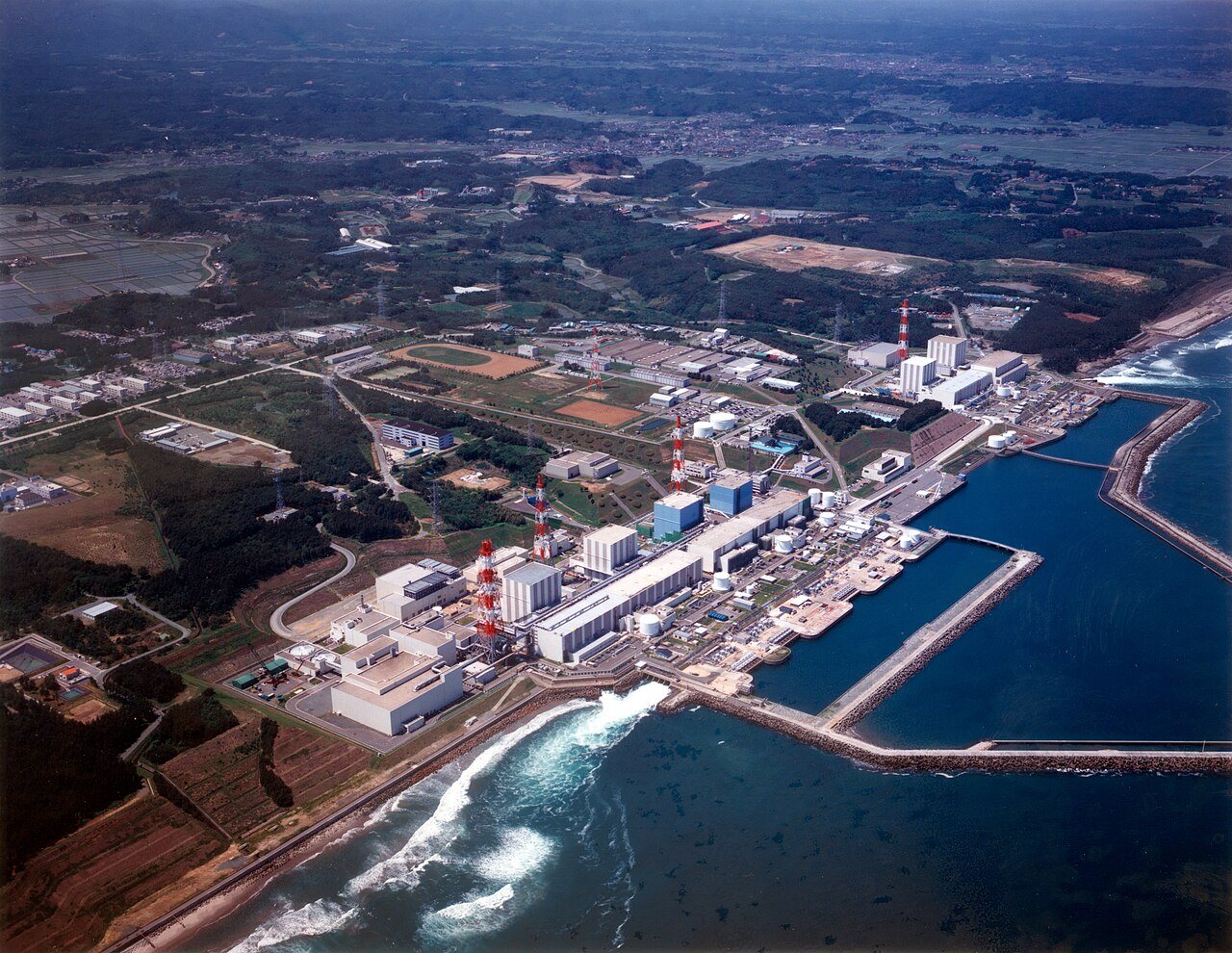
Fukushima Daiichi Nuclear Power Station in an archival image credited to TEPCO through the IAEA. Not the volunteer corps.
Experience offered, deployment unresolved
Yamada argued that older people who had benefited from nuclear-generated electricity had a responsibility to help. His reasoning about age and long-term radiation risks was part of his appeal; it did not make exposure safe or replace professional safety decisions.
At the time of ABC's interview, discussions with the plant operator and government had not produced a concrete working arrangement. The volunteers' willingness was real, but willingness and deployment were different stages.
A University of California, Irvine account of Yamada's October 2012 visit described a group of about 700 members. He was still traveling to seek support for their participation.
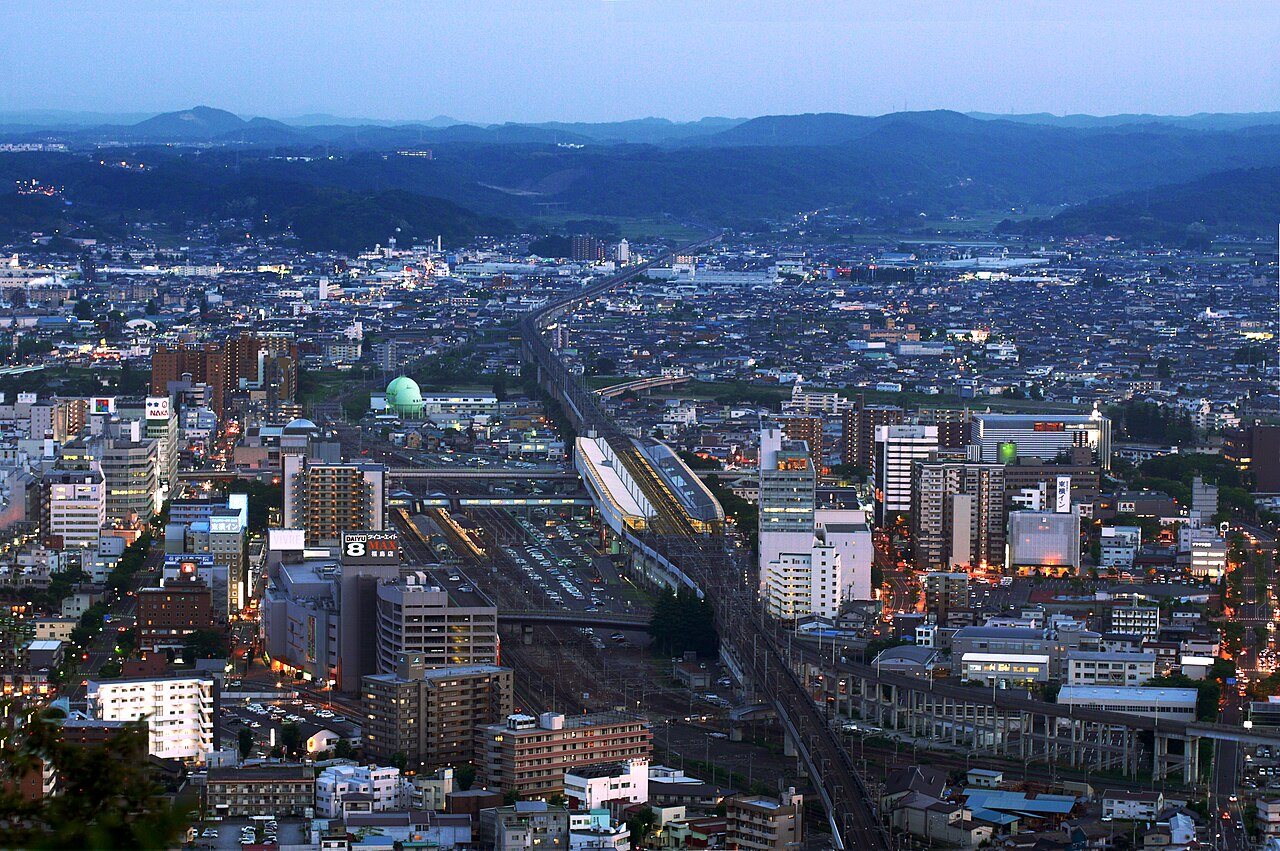
Fukushima City and its railway station. Regional context; not the nuclear power station or a volunteer deployment.
The purpose behind the appeal
The corps later announced Yamada's death on June 17, 2014. He was 75. Its tribute acknowledged that his hopes for the organization had not been fully realized.
His story remains an account of an offer, rather than a completed mass deployment. He saw older people as capable contributors whose knowledge and time could still serve others. During a national emergency, he organized them to say so together.
Photo credits
Featured: Aerial photo of Fukushima Daiichi Nuclear Power Plant 2021.jpg by 資源エネルギー庁. CC BY 4.0. Cropped to 16:9 and resized.

Body 1: Fukushima Daiichi 04780015 (8388174045).jpg by TEPCO / IAEA Imagebank. CC BY-SA 2.0. Resized; JPEG conversion. Adaptation shared under the same license.

Body 2: Fukushima City with a view of Fukushima Station.jpg by Purplepumpkins. CC BY-SA 3.0. Resized; JPEG conversion. Adaptation shared under the same license.
