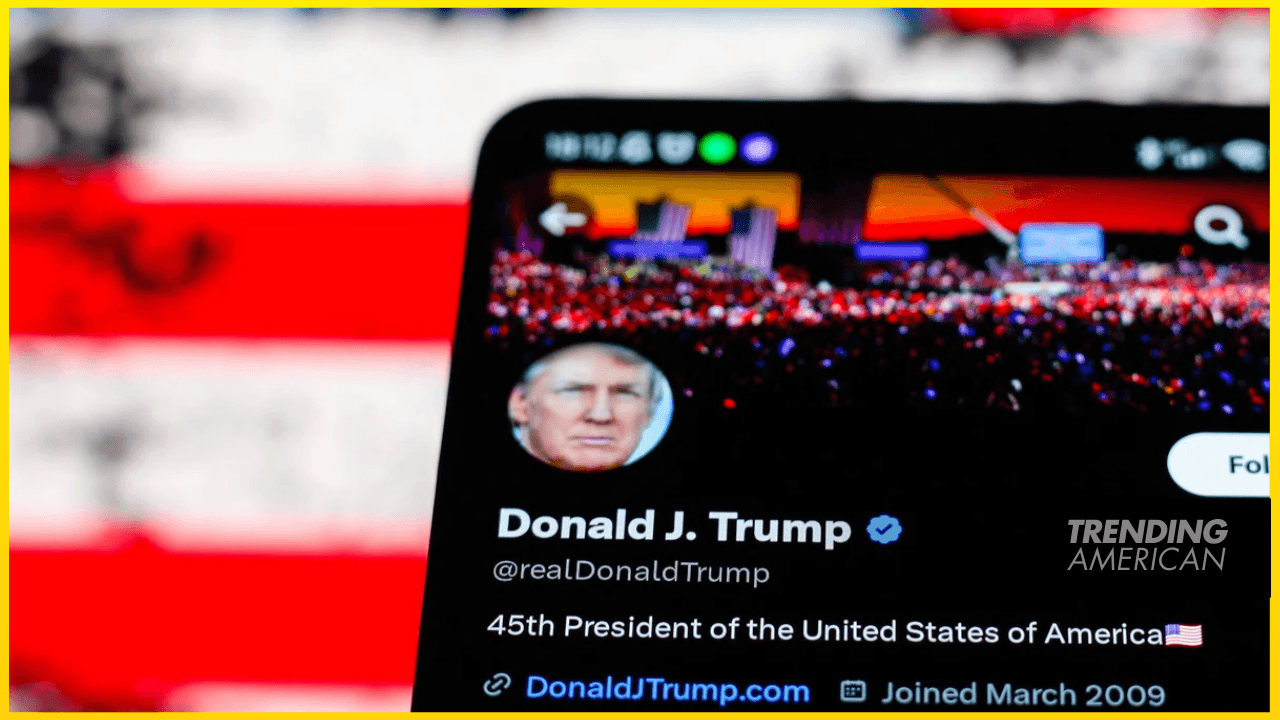
X rolled out a location transparency feature intended to help users verify content by showing the country or region where an account is based or created. In the weeks after its rollout in mid-to-late November 2025, a wave of online sleuthing swept the platform. Screenshots circulated showing MAGA-branded accounts, long prominent in US political discourse, as being based abroad—India, Nigeria, Macedonia and elsewhere—sparking renewed questions about who is behind these accounts and why their claimed US base mattered.
DHS quickly pushed back, denying concerns that the feature was compromising security or enabling surveillance; the agency asserted it does not maintain or endorse any particular account. X briefly paused the feature after a spike in questions, before reintroducing it with a global rollout so that users outside the US could see location data as well.
Analysts say the feature can increase transparency by revealing sockpuppetry and cross-border influence, but gray lines remain: some bad actors use VPNs or bots, rebrand accounts, or game the system through paid verification (blue ticks). Journalists and researchers noted that location data is only one signal and should be cross-checked with other indicators of authenticity.
Coverage across BBC Verify and NBC Los Angeles, and follow-on reporting in Forbes, Yahoo, MSN and others, highlighted how the tool has complicated the narrative around MAGA accounts. In some cases, accounts branded as American were traced to places like Lagos, Mumbai, or Skopje, prompting debates about foreign influence in domestic political conversations and the monetization of popularity online. For readers, the story underscores the tension between transparency and deception in the modern information ecosystem.
Takeaways for readers: use location data as one piece of the puzzle, remain cautious of where data originates, and demand multiple signals before drawing conclusions about credibility.
Disclosure: We may earn a commission when you make a purchase through the ads.