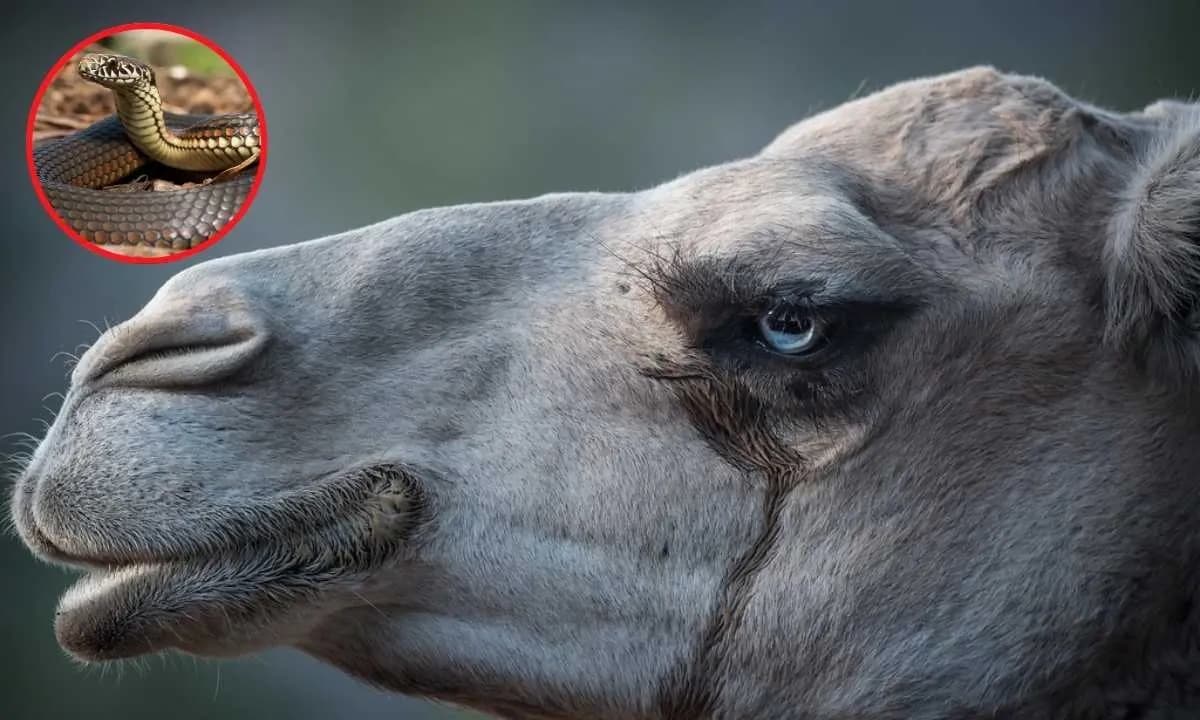
In the scorching deserts of India, where snakes and heat are part of everyday life, a strange but incredible discovery has left scientists amazed—and might save thousands of lives. This story doesn’t begin in a fancy lab with white coats and beeping machines. It starts with a camel. And not just any camel, but one quietly shedding tears in the sun.
Snakebites are a huge problem around the world. Around 81,000 to 138,000 people die every year from them, mostly in rural areas where getting to a hospital with antivenom in time isn’t always possible. The saw-scaled viper, one of the most dangerous snakes, is responsible for many of these deaths. Its venom can cause internal bleeding, blood clotting, and organ failure—sometimes within hours.
Now, here’s where things take a strange turn. In a recent experiment, conducted by the Central Veterinary Research Laboratory in Dubai, scientists injected camels with venom from the saw-scaled viper. Their goal was to see how the camel’s immune system would react. What they found was surprising: the camels not only survived, but their bodies produced strong antibodies that attacked the venom. Even more surprising? These antibodies weren’t just in the camel’s blood—they were in their tears.
Yes, their tears.
One drop of camel tears was found to have the potential to neutralize venom from 26 different snake species. That makes it one of the most powerful—and possibly most valuable—natural antivenoms discovered so far. That’s why it’s being called the world’s most expensive tear.
But how can something so gentle as a tear fight something so deadly?
It turns out camel tears are packed with special antibodies. These antibodies seem to do more than just help camels fight desert infections or keep their eyes healthy in harsh environments. They appear to destroy venom toxins that would otherwise kill humans. In lab tests, the camel antibodies blocked the effects of venom, including stopping internal bleeding and blood clotting.
This is big news, especially for countries like India, where many villages are far from hospitals that store traditional antivenom. Camel tears might offer a solution that’s not only effective but also more practical. Why?
- Heat-stable: They don’t need to be refrigerated like regular antivenoms.
- Less risky: They’re less likely to cause allergic reactions.
- Easier to use: They’re easier to store and transport, which means they could reach rural clinics faster.
- Economically helpful: It could give camel-rearing communities a new source of income if this research turns into real medicine.
Right now, scientists are still waiting for peer-reviewed results and human trials. That means the discovery is promising, but it’s not ready for use yet. However, if further studies confirm the early findings, it could lead to a major shift in how snakebites are treated across the world.
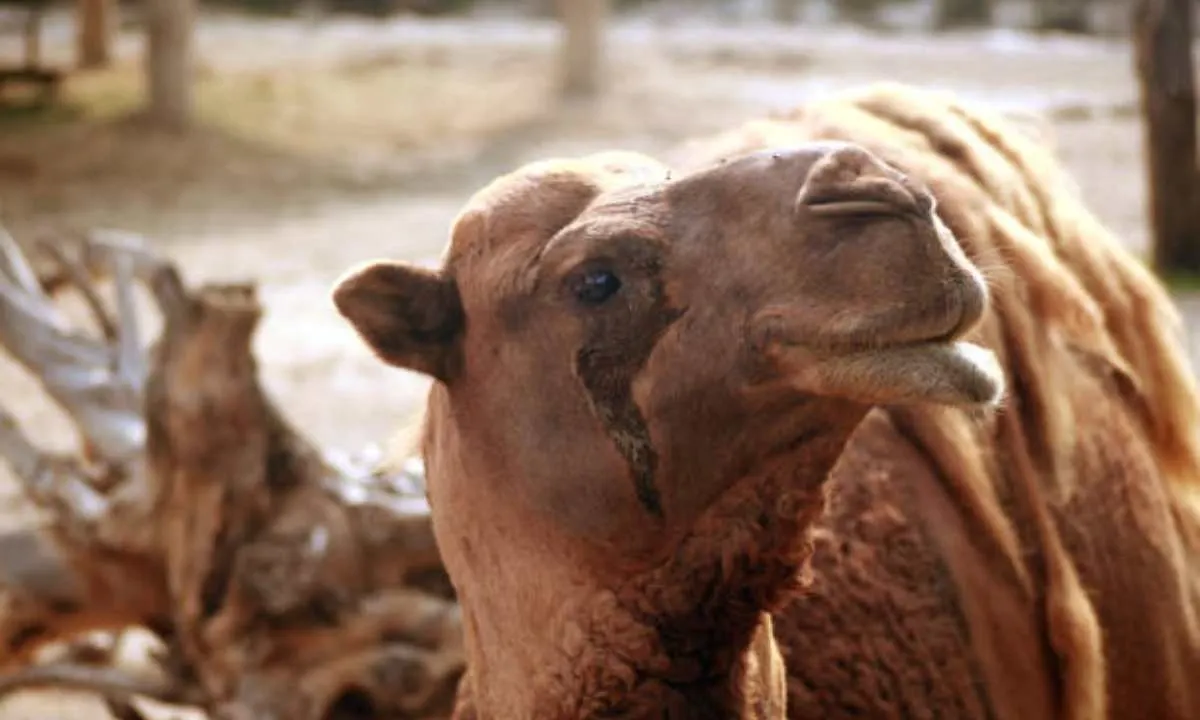
The idea that a camel’s tear could become a life-saving medicine might sound unbelievable, but nature often hides its biggest secrets in the smallest places. As one person put it: “Don’t underestimate the silent ones. Even a tear can turn the tide.”
So next time you see a camel walking slowly through the desert, remember—it might just be carrying the cure to one of the deadliest problems we face.