World’s Largest Iceberg Is About To Hit A British Island!
A massive iceberg, the size of Rhode Island, is heading toward South Georgia Island for a collision!
Jan 23, 2025 · 5 min read
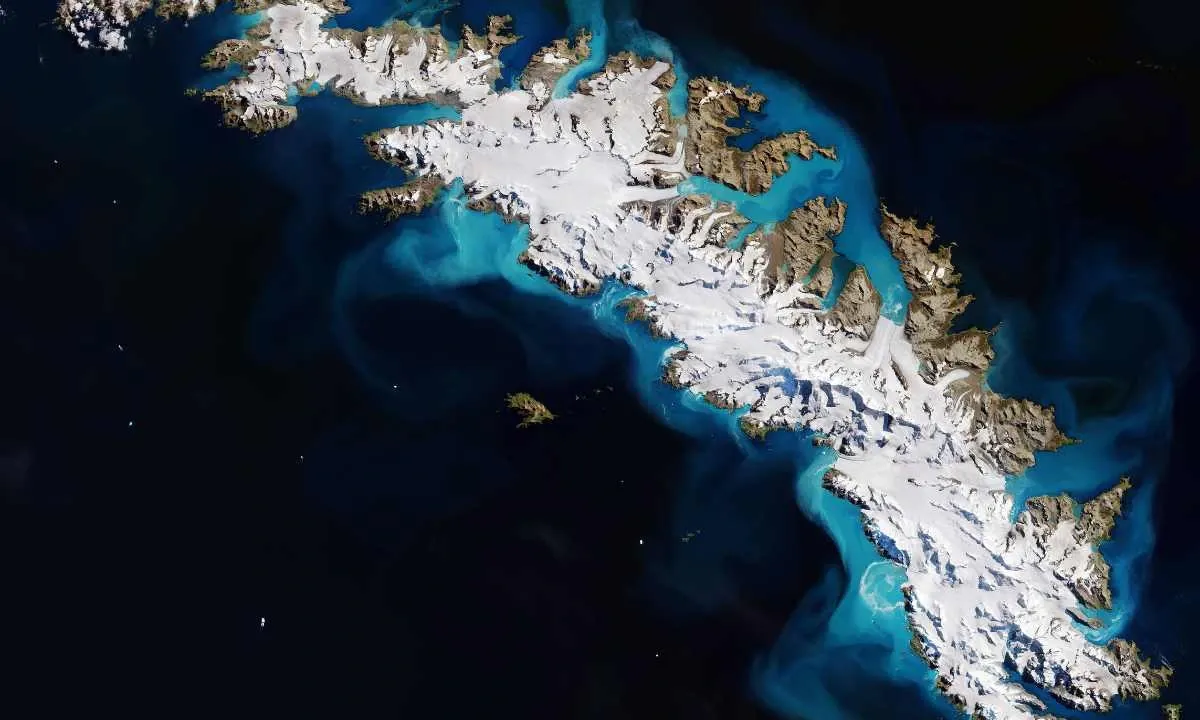
A wall of ice the size of Rhode Island is drifting toward South Georgia Island. It is a remote and ecologically rich British territory in the South Atlantic. This trillion-ton iceberg, called “A23a,” has been making headlines for its dramatic journey.
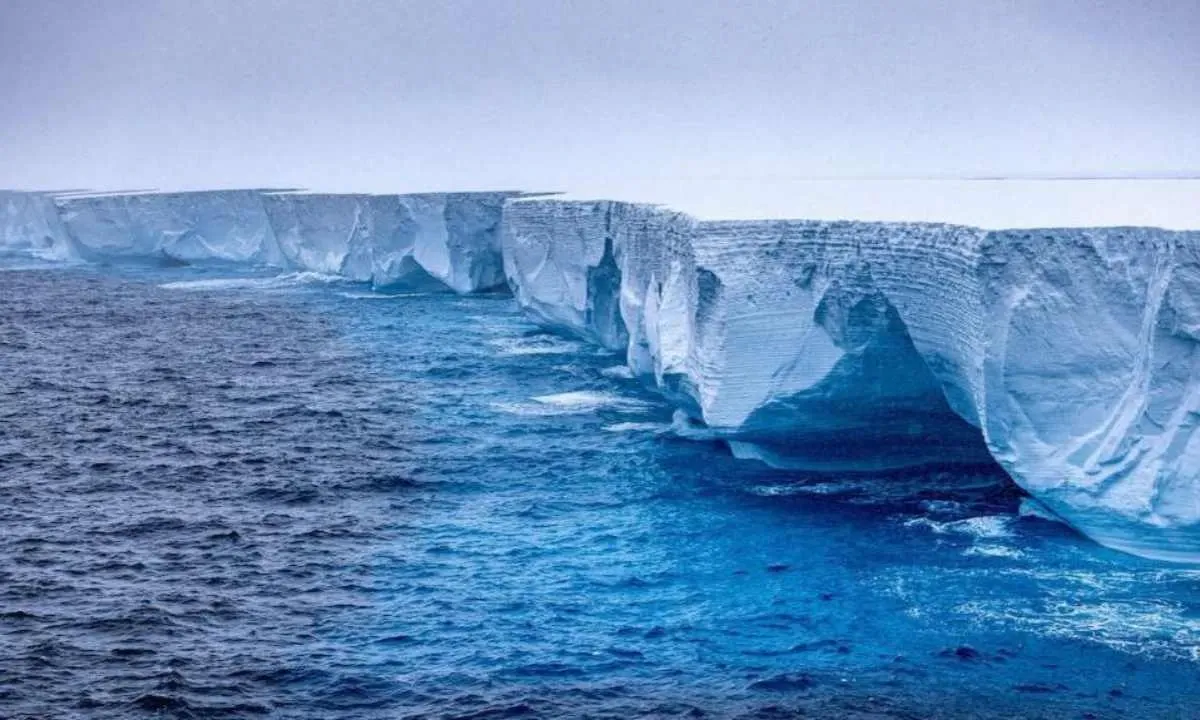
At 3,672 square kilometers (1,418 square miles) and towering 130 feet (40 meters) above the water, A23a is the largest iceberg in the world. Its size and movement have captured the attention of researchers and nature enthusiasts alike.
As it approaches South Georgia, scientists are racing to understand whether it will slide past the island or become lodged, potentially threatening millions of penguins and seals that call the island home. Let’s have a closer look at its movement.
The Journey of A23a: Decades in the Making
The Origins of A23a
A23a began its journey back in 1986, calving from Antarctica’s Filchner-Ronne Ice Shelf. For over 30 years, it remained grounded in the Weddell Sea, stuck on the seafloor due to its immense size. As Andrew Meijers, a physical oceanographer with the British Antarctic Survey, explains, “It remained grounded… probably until it shrank just enough to loosen its grip on the seafloor.”
Image source: BBC
Recent Movement
The iceberg finally broke free in recent years and drifted past Antarctica. However, its journey was not without obstacles. It became trapped in an underwater vortex known as a Taylor column, caused by ocean currents hitting an undersea mountain. In December 2023, A23a broke free again and is now being carried by ocean currents toward South Georgia Island.
Meijers, who observed the iceberg during an expedition aboard the RRS Sir David Attenborough, described its scale: “The iceberg itself is colossal and stretches from horizon to horizon. It’s a huge wall, a Game of Thrones-style wall of ice that towers above the ship.”
Potential Impacts on South Georgia Island
Ecosystem at Risk
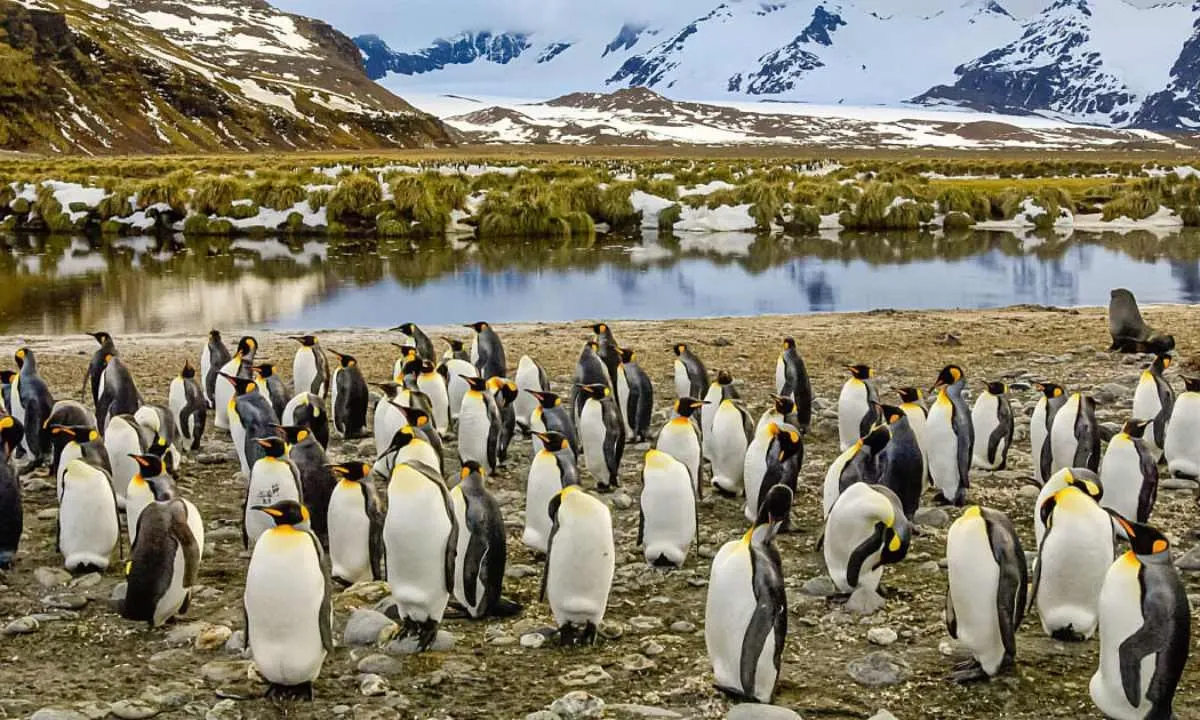
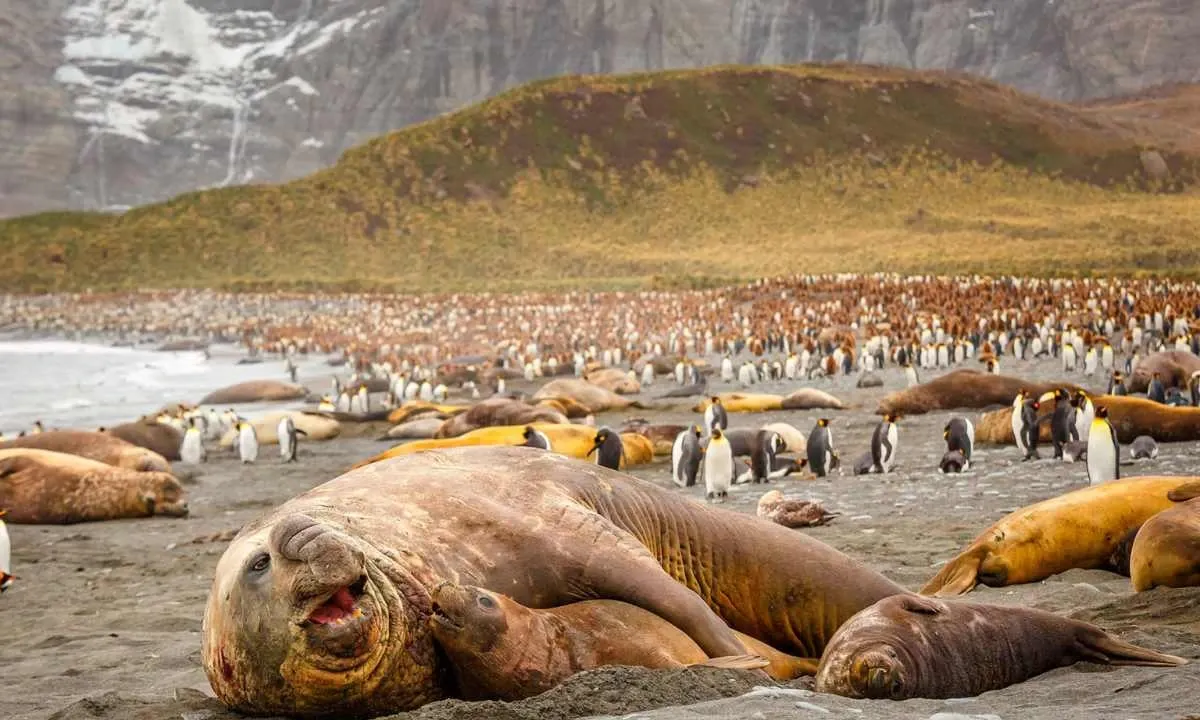
South Georgia Island is a haven for biodiversity. It is home to one of the world’s largest Marine Protected Areas and provides critical breeding grounds for millions of penguins and seals. These animals rely on the island’s surrounding waters for food, especially during their breeding season.
If A23a gets stuck on the island’s continental shelf, it could block access to feeding grounds. Penguin parents, in particular, might have to travel farther to find food, leaving their chicks at risk of starvation.
“Icebergs can block pathways to their food, making the adults swim farther, burning more energy, and bringing back less to the babies. That, unfortunately, can dramatically increase mortality rates.”
said Meijers.
Image source: Adventure Canada
This scenario, while concerning, is not without historical precedent. Ted Scambos, an ice scientist from the University of Colorado, noted that the ecosystem in the Southern Ocean is resilient to such events.
“It has evolved with these icebergs being a factor for hundreds of thousands of years.”
Ted Scambos, University of Colarado
Image source: National Geographic
Local and Global Significance
Beyond its ecological impact, A23a poses risks for shipping and fishing vessels in the region. Simon Wallace, a sea captain navigating near South Georgia, highlighted the dangers of icebergs.
“Icebergs are inherently dangerous. We have searchlights on all night to try to see ice — it can come from nowhere.”
Simon Wallace, a sea captain navigating near South Georgia
The Role of Climate Change in Iceberg Activity
While scientists agree that A23a’s calving is part of the natural growth cycle of ice shelves, the increasing frequency of such events is linked to climate change. Rising temperatures in Antarctica are destabilizing ice shelves and contributing to the release of more icebergs into the ocean.
Meijers emphasized this trend, stating, “Calving icebergs are normal, but they are happening more frequently as the climate warms and more freshwater flows into the ocean.”
These changes have significant implications, including potential sea-level rise and shifts in marine ecosystems.
Image source: Wikipedia (South Georgia Island)
What Happens Next?
Current Status of A23a
A23a is currently drifting through ocean currents, with its next move uncertain. Scientists predict that within the next 2–4 weeks, the iceberg will either approach South Georgia’s shallow waters and become lodged or slide past the island into the South Atlantic.
If the iceberg reaches warmer waters, it may begin to break apart and melt, reducing its size and overall impact. For now, its structure remains intact, as seen in satellite images.
Monitoring and Research
Researchers are closely tracking A23a’s movement using satellite data and on-the-ground observations. Ships like the RRS Sir David Attenborough play a vital role in these efforts. Meijers expressed both fascination and caution.
“It’s a natural process, but one that reflects the changes happening in our climate.”
Meijers
Conclusion
The journey of A23a, the world’s largest iceberg, is a dramatic reminder of the power of nature and the delicate balance of ecosystems like South Georgia Island. While its impact remains uncertain, this event highlights the importance of scientific research and global action on climate change. As However, the increasing frequency of such phenomena underscores the need for vigilance and conservation efforts.
For now, the world watches as this colossal iceberg continues its journey, a testament to both the beauty and the challenges of our changing planet.