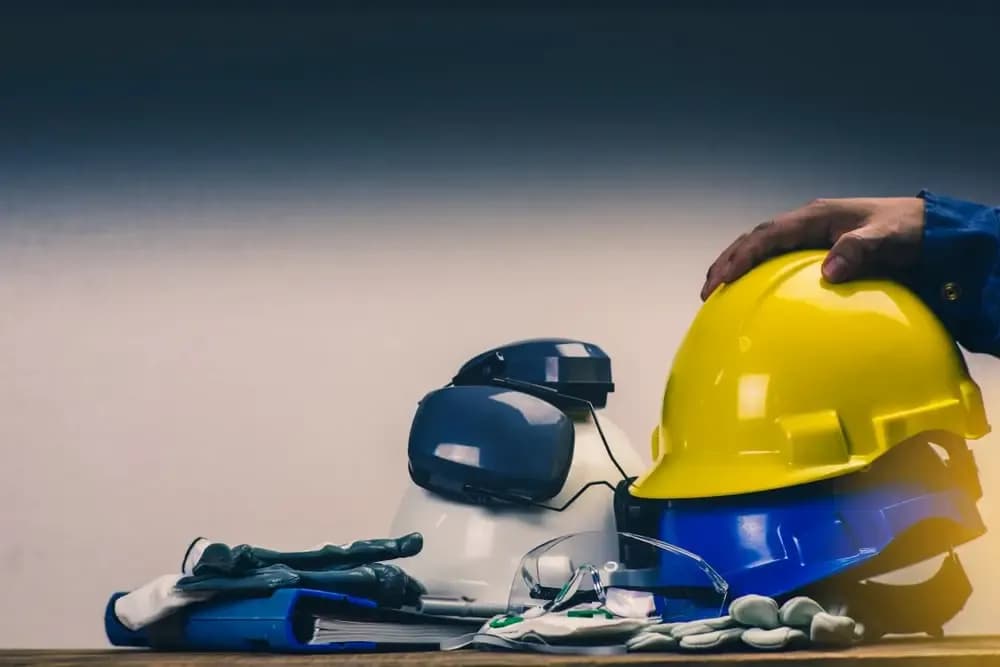
Creating a safe work environment is essential for protecting employees and maintaining productivity. Everyday practices, such as maintaining organized workspaces, providing proper safety equipment, and conducting regular training, help reduce the risk of accidents and injuries. Encouraging a culture of safety empowers team members to stay vigilant and report hazards promptly, ensuring everyone can perform their tasks with confidence. Regular safety audits and clear communication of protocols also reinforce best practices, helping to identify potential risks before they escalate.
Even with preventive measures in place, workplace injuries can still occur. Employers need to understand their responsibilities and provide practical support to affected employees. For organizations seeking guidance on managing incidents and coverage, it’s helpful to learn more about workers’ comp, which provides financial protection and resources for injured employees. Maintaining proper documentation and following up on safety improvements ensures long-term protection and a healthier work environment for all.
Cultivating a Safety Culture
Building a strong safety culture requires commitment from everyone, from top executives to front-line workers. Leadership must prioritize safety as a fundamental value that influences decision-making. When management champions safety efforts and clearly communicates their importance, it has a positive impact on all teams. Managers should serve as role models and acknowledge employees who report hazards or offer suggestions for improvement. Recognition programs help promote positive actions and encourage participation.
Inclusive safety committees are vital for capturing diverse perspectives. By involving members from various departments and backgrounds, organizations benefit from valuable insights and perspectives. Regular meetings foster open feedback, collaborative problem-solving, and follow-up on safety issues. These meetings might involve reviewing safety metrics, brainstorming enhancements, and discussing potential risks. A non-blaming environment encourages honest conversations and shared accountability for safety.
Regular Safety Training
Regular safety training is crucial for maintaining a safe workplace by keeping staff informed about best practices and preparing them for potential emerging risks. Tailored sessions that focus on specific departmental hazards make training more relevant and memorable. Incorporating hands-on demos and simulated scenarios can boost retention and confidence. Resources such as online portals, checklists, and visual guides help reinforce key lessons. Regular refresher courses and initial training for new hires are also necessary. Continuous education promotes safety as a long-term commitment and fosters a culture of ongoing improvement. Well-trained employees are better equipped to protect themselves and their colleagues, leading to fewer incidents and lower insurance claims.
Effective Communication
Clear communication is essential for maintaining a safe workplace, as misunderstandings or unclear instructions can lead to costly accidents. Visual cues such as signs, floor markings, and infographics help alert workers to immediate hazards and reinforce safety expectations. Regular team meetings and Q&A sessions are effective for addressing questions and discussing site-specific issues. Access to feedback channels should be straightforward and responsive, promoting hazard reporting without fear of retaliation or retribution. PPE is crucial for safety, and having it readily available along with proper training on its use is essential. Encouraging two-way communication fosters a safety culture where protocols remain relevant and adaptable to real-world conditions.
Proactive Hazard Identification
Quick, early intervention is one of the most effective strategies for mitigating risk. Conduct regular, scheduled inspections of the workspace to identify and correct hazards before they result in incidents. Define clear protocols for what to look for during inspections—such as loose flooring, blocked exits, faulty wiring, or poorly labeled chemicals. Consider rotating inspection teams or involving staff from various departments to gain fresh perspectives. Encourage and empower every employee to speak up when they see unsafe conditions, making clear that their input is both welcome and essential.
Maximizing comfort with reporting is key: offer both anonymous and direct channels to ensure everyone feels safe contributing. Well-designed digital platforms, which enable employees to report concerns quickly via mobile apps or company intranets, yield rapid responses and resolutions. When reports are taken seriously and acted on promptly, staff are more likely to continue participating in the process. Proactive hazard management not only enhances physical safety but also enables your organization to manage costs effectively, increase operational efficiency, and maintain a strong reputation within the industry.
Maintaining Equipment and Facilities
Safe, reliable equipment and well-maintained facilities are the foundation of smooth and secure workplace operations. Implement comprehensive maintenance checklists and establish regular inspection schedules for all machines, tools, and facility systems to ensure optimal performance and reliability. Encourage staff to be vigilant for unusual noises, leaks, excessive wear, or other early warning signs of malfunction. Promptly tagging and removing out-of-service items from the floor reduces potential for injury. Ensure that spare parts and safety tools are always readily accessible, allowing for prompt repairs.
Preventive maintenance significantly lowers the risk of sudden breakdowns, costly repairs, and lengthy downtime. The National Safety Council recommends proactive programs for regular servicing and replacements, which can extend the life of investments while safeguarding employees from hazards caused by malfunctioning equipment. Intensive maintenance routines foster a culture of care and show employees that leadership prioritizes their safety daily.
Emergency Preparedness
Emergencies such as fires, hazardous material spills, severe weather, or medical incidents can occur unexpectedly, making quick and coordinated responses essential. Display updated evacuation maps throughout the facility for easy visibility. Conduct regular drills for scenarios like fires, active shooter events, or severe weather to build muscle memory. Assign clear roles—for example, sweeping for stragglers or accounting for personnel—and ensure this information is accessible, so everyone knows who to contact in a crisis. Mark the locations of first aid kits, eyewash stations, fire extinguishers, and backup power sources clearly and conspicuously. Offer training on the proper use of lifesaving equipment and ensure staff understand the basics of first aid and CPR. Regular practice boosts employees’ confidence, clarifies their responsibilities, and minimizes confusion. The goal is for everyone to possess the skills necessary to stay safe in chaotic situations.
Mental Health and Well-being
Modern workplace safety recognizes that mental health is as important as physical protection. Stress, burnout, or emotional strain can have a silent impact on attention, productivity, and accident risk. To support holistic well-being, offer access to counseling or employee assistance programs (EAPs), organize stress-reduction or mindfulness workshops, and privately share information about health resources. Integrating these initiatives into safety programs leads to fewer absences, greater focus, and a more resilient workforce overall.
Frequent check-ins by supervisors and HR create an environment where employees feel guided and supported, rather than isolated. Offering flexibility, promoting work-life balance, and actively listening to concerns make a tangible difference.
Conclusion
Caring for your team means much more than preventing physical injuries—it’s the daily commitment that keeps a business healthy and resilient. By instilling sound safety habits, fostering transparent and consistent communication, and equipping individuals with the proper knowledge and tools, organizations ensure the foundation for long-term success. A shared, ongoing priority on safety helps every member of the team thrive—and your business prospers as a result.