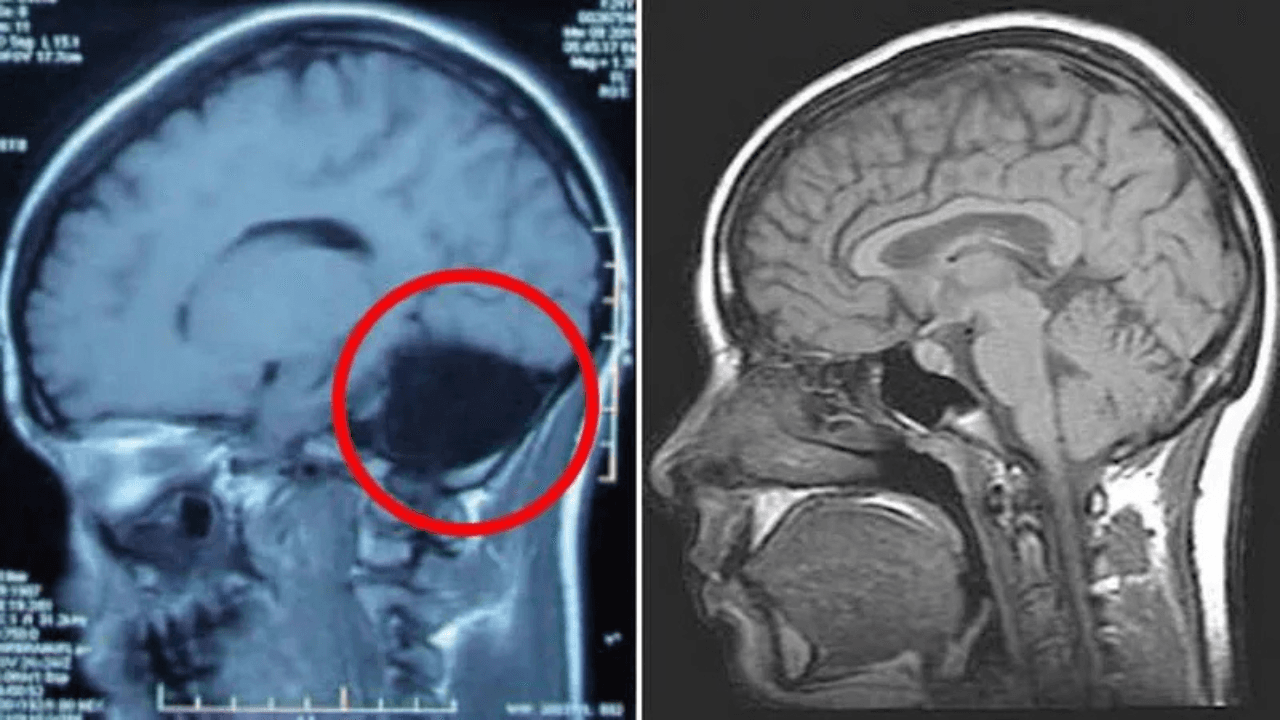
In a world filled with medical mysteries, one woman’s story stands out as both shocking and inspiring. At just 25, she walked into a doctor’s office seeking help for occasional dizziness. What began as a routine check-up rapidly turned into a journey into the unknown when an MRI revealed a stunning truth: she was congenitally missing her entire cerebellum. This vital part of the brain is known for coordinating movement, balance, and even some cognitive functions. But for her, it was just another day.
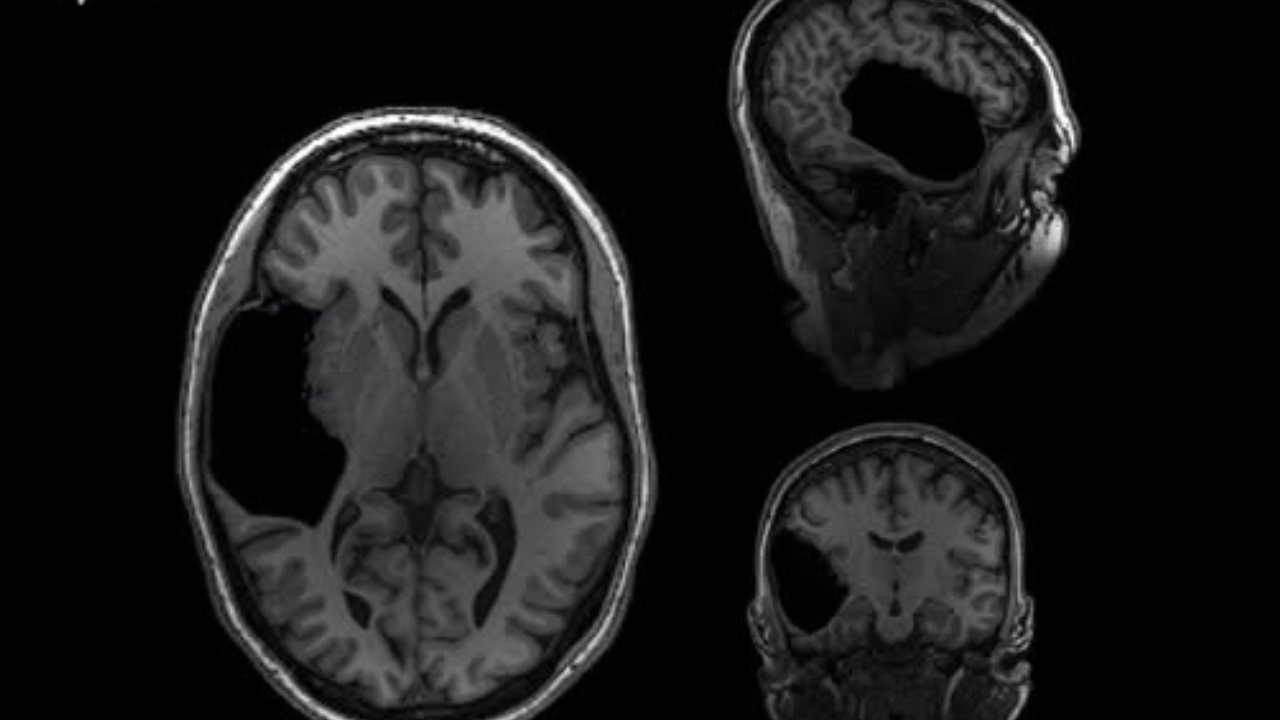
This condition, known as cerebellar agenesis, is extremely rare. In fact, only nine living cases have been documented across the globe. Surprisingly, this woman had navigated through life relatively unscathed by the absence of this brain region, showing only minor motor delays as a child, learning to walk and talk later than her peers. Yet, she eventually caught up and blended seamlessly into her community, leading a typical life filled with friends, laughter, and ambitions.
Imagine realizing that your brain was fundamentally different, yet no one, including yourself, had ever suspected it. Her story takes an even deeper twist when considering how her brain had reorganized itself to compensate for the missing cerebellum. While most people with cerebellar agenesis experience significant motor or cognitive impairments, she thrived. This begs the question: how does the brain adapt to such drastic changes?
Neuroscientists have long been fascinated by the brain’s ability to adapt. It’s believed that the extrinsic neural networks and the remaining regions of the brain managed to compensate for the missing cerebellum, leading to her unexpected normalcy. Researchers noted that her cognitive and motor functions were remarkably preserved due to this reorganization. Consider how astonishing it is that she could participate in daily life, driving, working, socializing, and engaging without realizing something was physiologically amiss.
Following her shocking diagnosis, this woman became an unwitting advocate for awareness of cerebellar agenesis and other brain anomalies. Her experience fueled interest in neuroplasticity—the brain’s ability to reshape and adapt itself. It sheds light on our understanding of brain function and gives hope to those living with brain malformations. How can one case teach us about human resilience? Each story told reveals not just the struggles, but the triumphs of human capability.
What was once an ordinary life now holds extraordinary implications. After the news broke, it ignited discussions among medical professionals and laypeople alike. It provoked inquiries into how other parts of the brain might assume responsibilities once thought to be exclusive to the cerebellum.
View this post on Instagram
Today, as she shares her journey and supports research, she serves as a beacon of hope, illustrating that even in the face of daunting anatomical challenges, there lies extraordinary potential. Her life redefines possibilities and motivates further research into the brain’s capabilities.
As we ponder her incredible story, we must reflect on our own perceptions of what defines ‘normal’. Can we dare to imagine what other dimensions of human resilience might be unexplored? What other hidden marvels lie undiscovered within each of us?
Disclosure: We may earn a commission when you make a purchase through the ads.