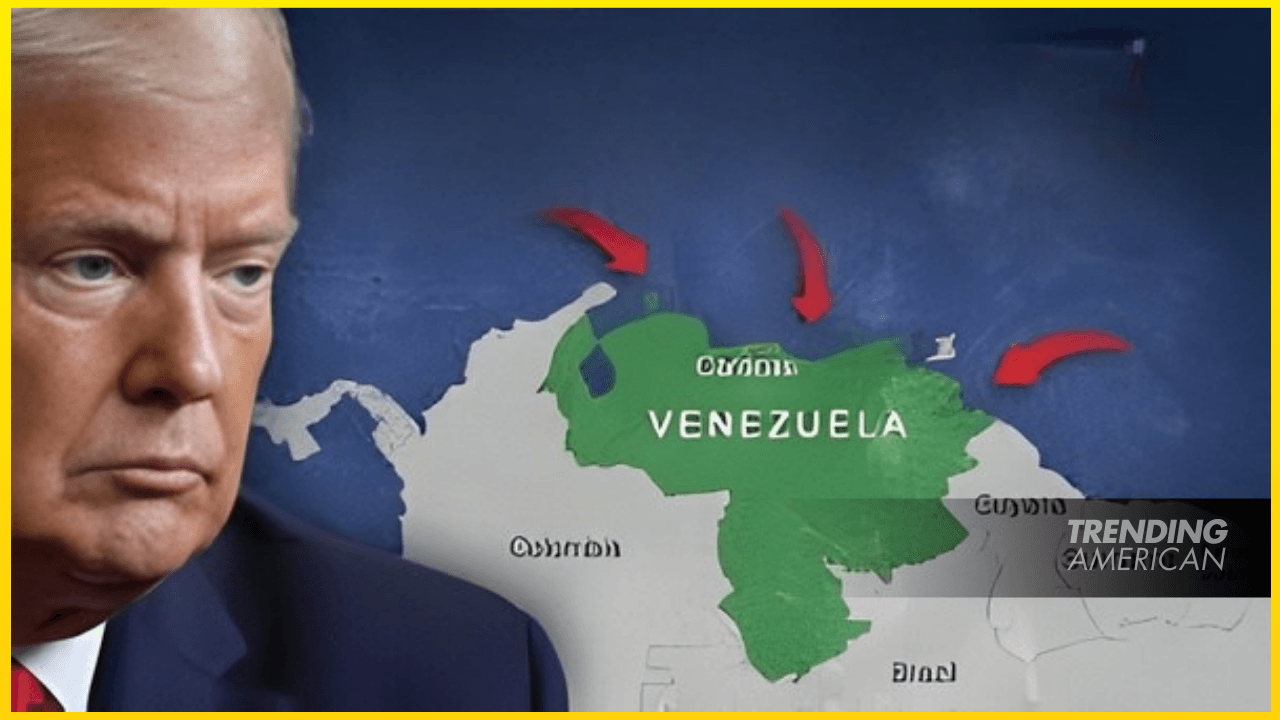
The question of whether the United States will invade Venezuela has moved from fringe speculation to a focal point of regional security reporting in late 2025. Washington’s stated aims include counter-narcotics enforcement, pressuring the Maduro regime, and enforcing sanctions, while Caracas emphasizes sovereignty and the right to defend itself. As coverage notes, a broad U.S. military build-up in the Caribbean and related operations near Venezuela’s coastal waters have kept observers alert to the next move.
Reporting and official briefings describe a mix of deterrence signals and limited practical actions. Observers point to a sustained U.S. presence in the Caribbean theater, plus limited strikes against alleged drug-smuggling vessels. White House statements have framed some operations as lawful and targeted, and there is ongoing discourse about what kinds of actions might follow if tensions rise further. The surrounding diplomatic chatter includes discussions about how far Washington may push in the near term while avoiding a full-scale land invasion.
The consensus among credible analysts is that a full-scale ground invasion remains unlikely in the near term. Logistics, the risk of regional escalation, and the high costs of sustained occupation all weigh against large-scale deployment. Instead, experts describe a spectrum of non-land actions designed to disrupt drug trafficking, pressure the Maduro regime, and demonstrate resolve—such as air and maritime actions, targeted strikes, sanctions, and support to regional partners—while keeping the option of escalation as a signaling tool.
If the tension persists, non-land means are expected to dominate. Airstrikes against specific targets, maritime interdiction of suspect drug-smuggling networks, coordinated sanctions, and intensified intelligence-sharing with Caribbean partners are among the most plausible steps. Analysts caution that even limited strikes can raise the risk of miscalculation, leading to broader regional spillovers. The debate continues about legality, legitimacy, and the humanitarian consequences of any escalation.
Venezuela’s government has stressed sovereignty and warned against external aggression, while neighboring nations watch closely for shifts in security dynamics, refugee flows, and economic disruption. A high-stakes standoff could alter Caribbean security architecture, affecting oil routes, international aid, and alliances—with implications for Latin American partners, the United States, and global powers weighing in through diplomacy and economic policy.
Readers should monitor major outlets for developments on operations in Venezuela’s coastal waters, statements from the White House and Pentagon, and responses from Caracas. Key indicators include new phases of Venezuela-related operations reported by Reuters and other outlets, shifts in regional coalition posture, and any changes in sanctions regimes or diplomatic overtures. This is a rapidly evolving story where the line between deterrence and actual intervention remains a critical and scrutinized frontier.
Disclosure: We may earn a commission when you make a purchase through the ads.