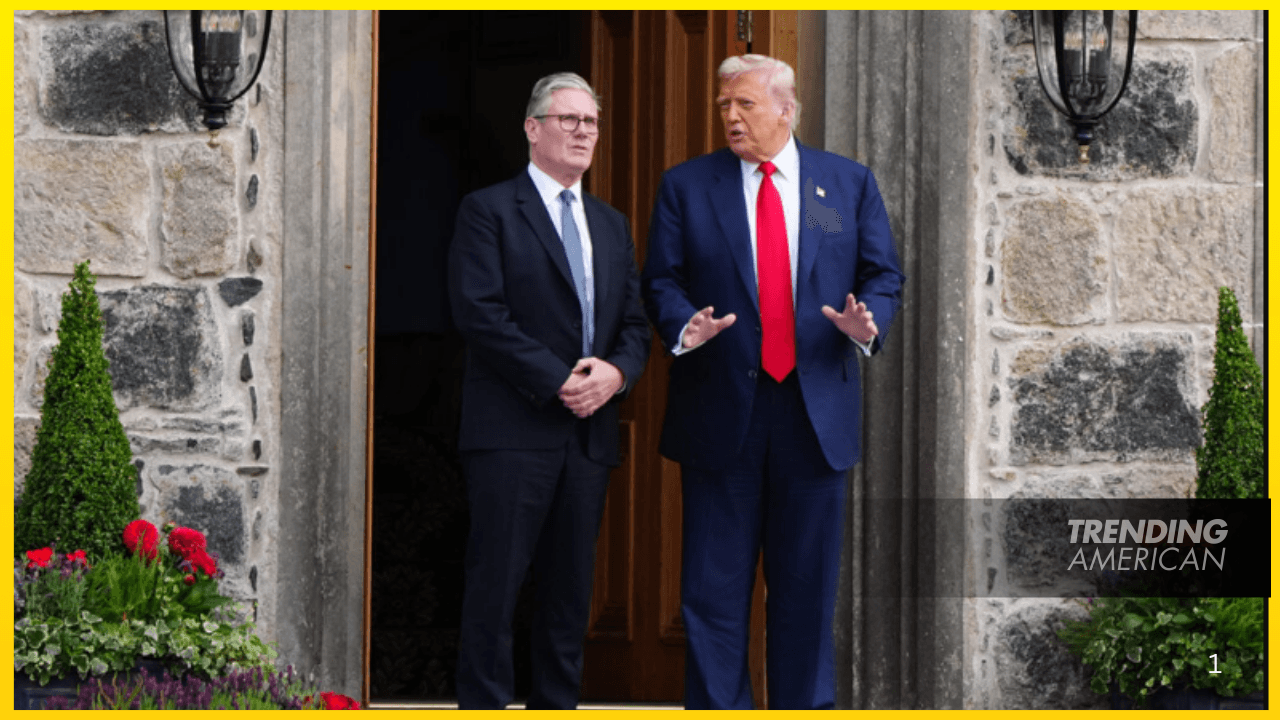
In early January 2026, Keir Starmer faced intense scrutiny over his stance on Donald Trump’s Venezuela operation. He publicly avoided condemning the strikes, insisting on a full set of facts and a commitment to international law, while stressing there was no UK involvement. The moment put a spotlight on the delicate art of diplomacy in a fractured moment of geopolitics. The BBC reported that Starmer’s position emerged in a Sunday interview with Laura Kuenssberg, with discussions circulating in the days around January 3–4, 2026.
The rationale behind this measured stance centers on two core ideas. First, Starmer argues that drawing public conclusions before all relevant information is available could jeopardize UK influence over wider diplomatic efforts. Second, he emphasizes fidelity to international law as the guiding principle for any country’s response, suggesting that a rushed condemnation could complicate future dialogue with Washington and its European partners. In this framing, public condemnation is not off the table, but it would only come once the facts are clear and legal assessments are settled.
Behind the scenes, Starmer’s inner circle—led by national security adviser Jonathan Powell—has been working to balance competing priorities. Powell is described as bridging the gap between maintaining a working relationship with the United States and coordinating with European partners. The aim is to avoid a premature split with Washington while ensuring the UK’s strategic interests and principles remain intact. Emily Thornberry, a Labour MP who has been a vocal voice on defence and international law, is cited among MPs who have urged a stronger public stance. The tension encapsulates a broader debate within Labour about how to respond to what many view as a breakthrough moment for international law and sovereignty.
The situation on the ground is evolving. Maduro’s capture in a large-scale operation and subsequent US indictments on drugs and weapons charges have added a legal dimension to the crisis. Observers are weighing questions about the legality of the operation and what constitutes legitimate state action in this context. As with any rapidly developing international incident, legal framing will shape political options for the UK and its allies in the weeks ahead.
What does this mean for UK–US relations? Starmer has signalled a desire to maintain a functional, working relationship with the United States while not abandoning European partners. Powell’s stated objective appears to be bridging rather than choosing sides, offering a calibrated approach that favours strategic dialogue and coalition-building over public posturing. For supporters, this stance preserves channels for diplomacy and influence on how the crisis unfolds; for critics, it risks signalling weakness or moral equivocation in the face of a perceived breach of international norms.
Reactions across Parliament have been mixed. Some MPs—drawing on concerns about international law and adherence to norms—have urged a more forceful condemnation, naming figures such as Emily Thornberry, Ed Davey, and others as advocates of a tougher stance. Others caution against rushing to judgment and warn that hasty statements could complicate foreign relations or undermine fragile diplomatic channels. The Independent, Politico, The Guardian, ITV News, and other outlets have profiled this debate, illustrating how the question has become a touchstone for assessments of Labour’s foreign policy posture.
In short, Starmer’s approach is framed as “action, not words” in a moment of high international tension. By calling for a full factual picture, upholding international law, and protecting UK influence, he aims to navigate a path between allyship and principled opposition. Whether this balance holds will depend on how the facts emerge and how the UK’s allies respond in the days and weeks ahead.