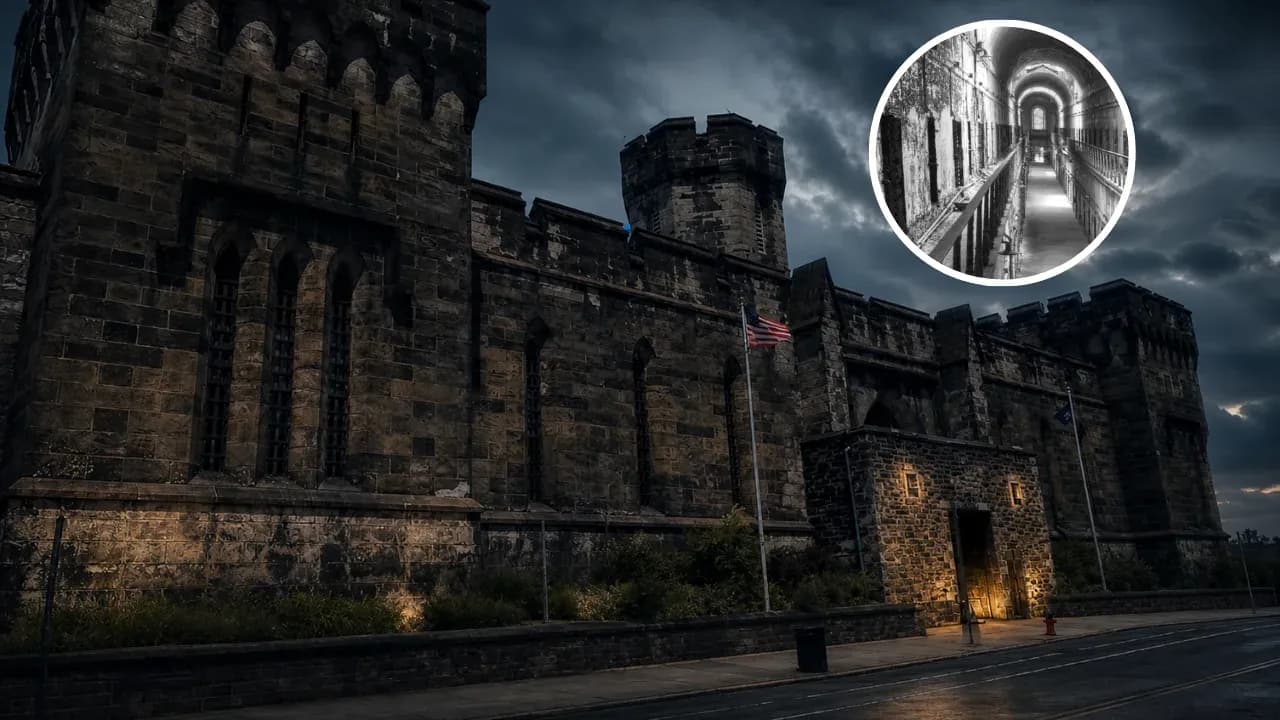
Eastern State Penitentiary does not need fog machines to feel wrong. Its stone walls rise over Fairmount Avenue like a medieval warning, even though the prison sits in the middle of Philadelphia, not some remote patch of wilderness. Inside, long cellblocks stretch from a central hub like spokes on a wheel. Light falls through broken skylights. Paint peels. Empty cells stare back.
Eastern State Penitentiary belongs to a different kind of American horror story, one built from prison reform, isolation, decay, famous inmates, paranormal television, and a Halloween event that turned a real penitentiary into one of the country’s best-known creepy destinations.
Creep Factor Score: 8.7/10
Rating: Nightmare Fuel
| Historical Darkness | 9/10 |
| Paranormal Reputation | 8/10 |
| Atmosphere | 10/10 |
| Horror Fame | 8/10 |
| Visitor Experience | 8.5/10 |
How We Calculated This Score
This editorial Creep Factor Score is based on Eastern State Penitentiary’s documented history, ruined Gothic atmosphere, haunted reputation, pop culture presence, and current visitor experience. Its strongest scores come from historical darkness and atmosphere, while paranormal claims remain compelling but unverified.
Why Is Eastern State Penitentiary Famous?
Eastern State Penitentiary is famous because it helped define the modern prison. According to the site’s history of Eastern State Penitentiary, the Pennsylvania legislature approved funding in 1821, British architect John Haviland designed the prison, and the first prisoner arrived in 1829.
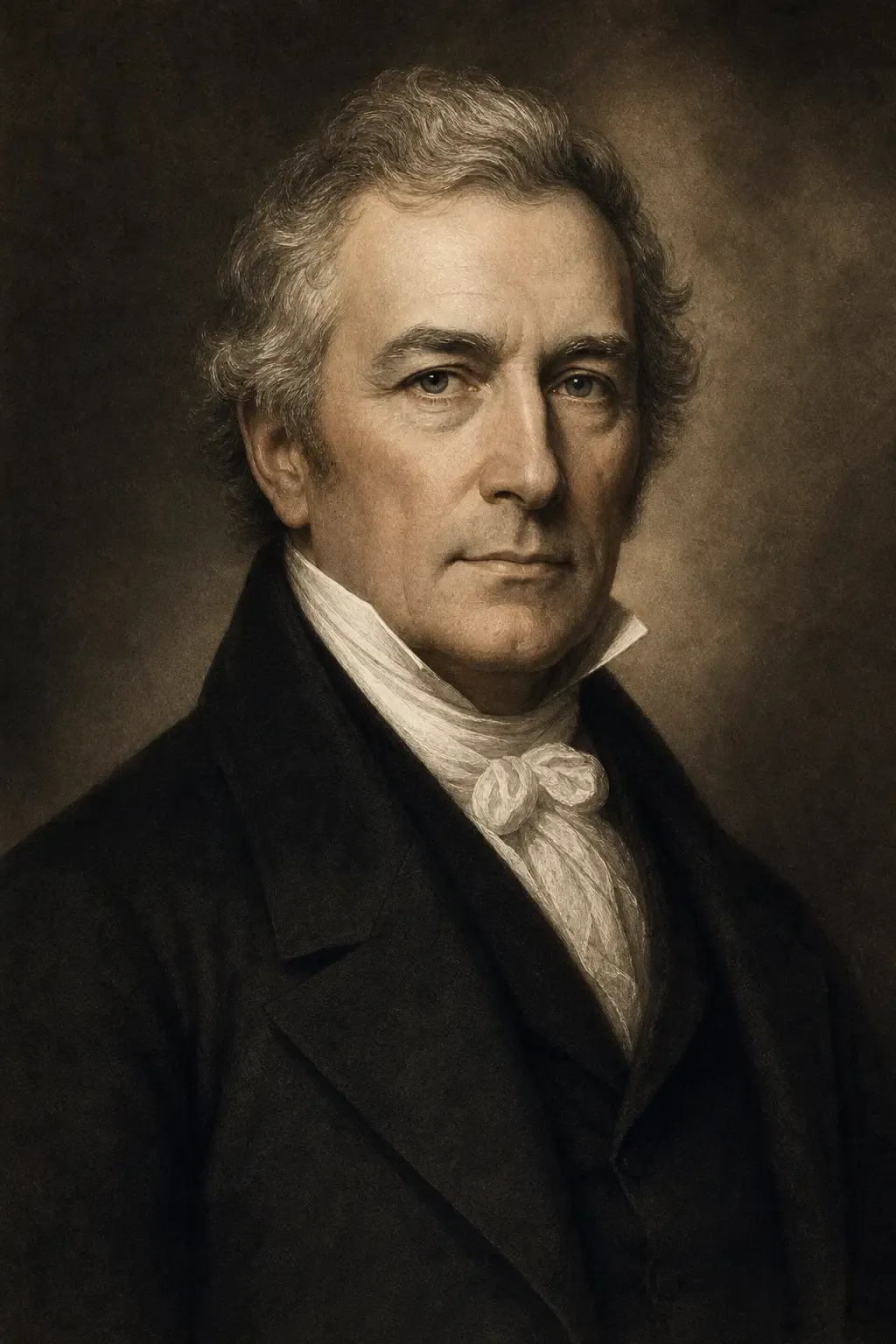
John Haviland, the architect who designed Eastern State Penitentiary, shown in an original historical-style illustration.Image: AI-generated original illustration for The American Horror Atlas.The idea sounded humane at the time. Instead of public punishment, prisoners would sit alone, work alone, pray alone, and become penitent. That is where the word penitentiary becomes important. Eastern State was not meant to be only a jail. It was meant to reshape a person through silence.
That experiment made the prison famous. So did its Gothic look, its radial floor plan, and its later inmates. Al Capone served time here in 1929. Bank robber Willie Sutton was connected to a major 1945 tunnel escape. Filmmakers later used the prison’s decay in movies and television. Paranormal shows came too, drawn by the same thing visitors feel in person: the building seems to hold its breath.
The Story Behind The Legend
The story starts in 1787, when reform-minded Philadelphians, including Benjamin Franklin and Dr. Benjamin Rush, formed the Philadelphia Society for Alleviating the Miseries of Public Prisons. Their goal was to improve jail conditions and replace brutal public punishment with reflection and reform.
Eastern State became their boldest experiment. Haviland’s design used a central surveillance hub with cellblocks radiating outward. The facade looked like a castle. The interior was meant to feel almost religious. Each prisoner had a private cell, a small exercise yard, and separation from other inmates.
At first, the prison seemed advanced. Cells had heat, toilets, and skylights. But the central idea was isolation. Prisoners could not casually speak with one another. Some were hooded when moved. The silence was supposed to produce remorse. Instead, critics saw damage. After visiting in 1842, Charles Dickens condemned the system as cruel.
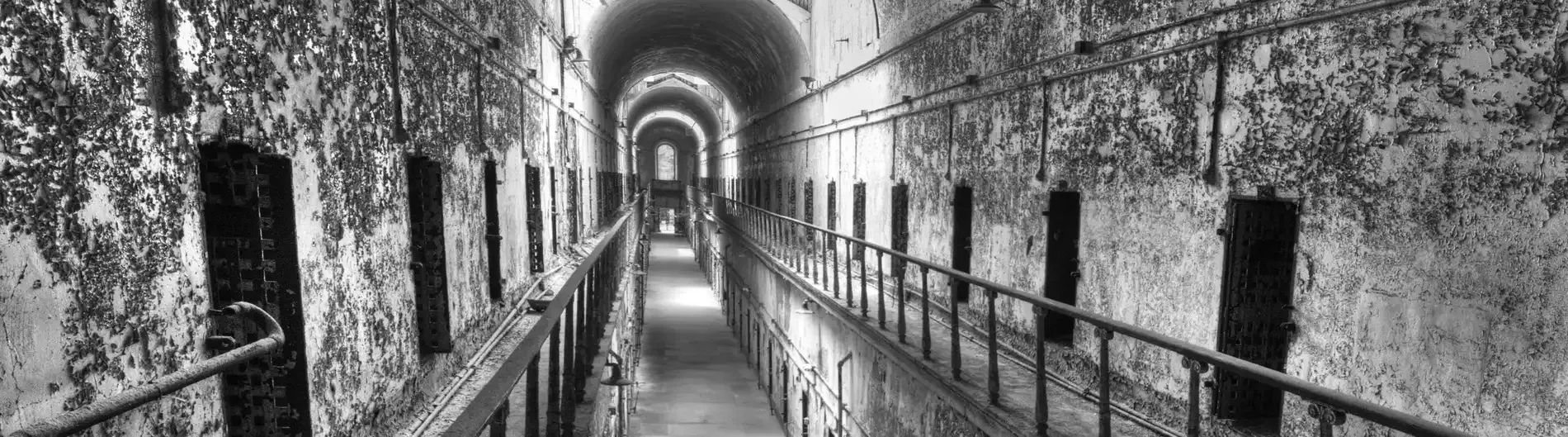
The prison changed as the population grew. Eastern State was originally built for a much smaller number of prisoners, but crowding pushed the system beyond its own rules. By 1913, the prison officially abandoned the Pennsylvania System. The institution kept operating as a more conventional prison, expanded over time, and eventually reached 15 cellblocks.
By the late 20th century, the building was falling apart. Pennsylvania ended operations in 1970, and the site was briefly used as a city jail in 1971. After that, Eastern State sat empty. Trees grew inside. Roofs failed. Stray cats moved through the ruins. Demolition and redevelopment were real threats until preservationists stepped in. The historic site opened for tours in 1994.
Why People Think It’s Haunted
Eastern State’s haunted reputation grew from three things: the real history of isolation, the ruined atmosphere, and decades of stories from staff, visitors, and paranormal media. The common claims include shadow figures, whispers, footsteps, sudden cold spots, and the feeling of being watched from empty cells.
Cellblocks with heavy decay carry most of the dread. The prison’s architecture does half the work. A person standing in the central hub can look down multiple corridors at once, each one lined with dark doorways. Even in daylight, the building can feel like it is waiting for someone to answer.
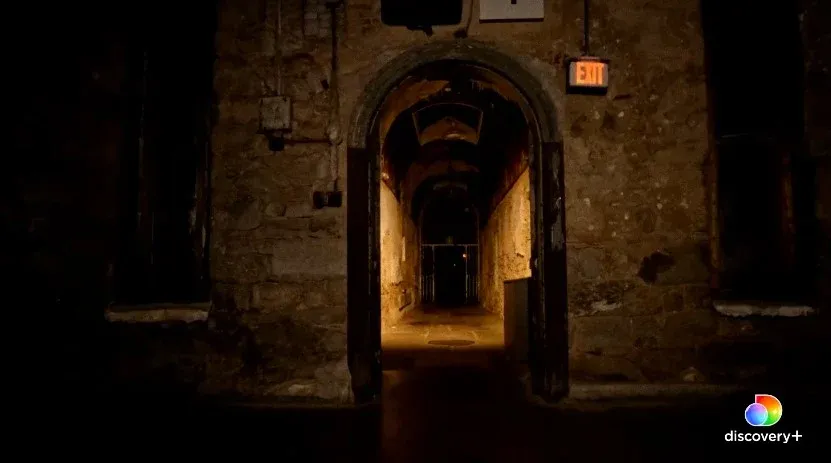
Paranormal shows helped nationalize the legend. Ghost-hunting crews filmed Eastern State’s long corridors, empty cells, and harsh confinement history. The programs never proved the prison was haunted, but they pushed the site deeper into American haunted-place culture.
The prison itself now takes a careful position. Its current public mission focuses on history, preservation, and criminal justice education. The Know Before You Go page says paranormal investigations and paranormal equipment are not permitted. That does not erase the ghost stories. It simply keeps them separate from the site’s documented history.
Fact Vs Fiction
Eastern State Penitentiary has a documented prison history, while many of its ghost stories come from folklore, television, Halloween tourism, and online retellings.
Fact
Eastern State Penitentiary opened in 1829 as an experiment in solitary confinement and moral reform.
Fact
Al Capone was held at the prison in 1929.
Fact
Charles Dickens criticized the prison’s isolation system after visiting Philadelphia in 1842.
Fiction
Reports of shadow figures and whispers remain personal accounts, not verified historical evidence.
Fiction
Seasonal Halloween scares are staged entertainment, not proof of paranormal activity.
Can You Visit Today?
Yes. Eastern State Penitentiary is open as a historic site at 2027 Fairmount Avenue in Philadelphia. The official Hours of Operation page lists the site as open daily from 10 a.m. to 5 p.m. during its current main season, with seasonal and holiday changes.
Daytime admission includes the audio tour, exhibits, art installations, and mini tours when available. The audio tour route gives a strong overview in about 40 minutes, though most visitors spend closer to two hours on site. Photography is allowed for personal use, with extra rules for tripods, props, commercial shoots, and non-public spaces.
Visitors should dress for the weather. The building has no climate control, and many surfaces are uneven. That roughness is part of the experience. Eastern State is not polished into a theme park. It is stabilized, interpreted, and left partly ruined so visitors can see what time has done.
Why Horror Fans Still Visit Today
Horror fans visit Eastern State because it feels cinematic without needing much help. The prison has appeared in films and television, and its abandoned look made it useful for stories about confinement, madness, and collapse. But the biggest pop-culture draw is seasonal.
Each fall, the site hosts Halloween Nights, a large Halloween festival with haunted attractions, themed experiences, food, drinks, and nighttime access to the prison atmosphere. It is entertainment, not a history tour, but the setting gives the event a weight most haunted houses cannot fake.
That tension is what makes Eastern State so compelling. By day, it asks visitors to think about incarceration and reform. By night, during Halloween season, it becomes a stage for fear. Both versions depend on the same walls.
Is It Worth Visiting?
Visit Eastern State Penitentiary if you like history with a chill in it. The site works especially well for people who enjoy prison history, abandoned architecture, dark tourism, photography, and haunted folklore. Skip it if you want a light attraction or a fully restored museum.
The scariest part is not a ghost story. It is the original idea that silence could fix a person. When you stand in a narrow cell and look up at the small patch of sky, the haunting becomes less about whether something invisible is there. It becomes about what people once believed isolation could do.
FAQ
Many visitors and paranormal shows claim it is haunted, but the ghost stories remain unverified folklore and personal experience.
Eastern State Penitentiary is at 2027 Fairmount Avenue in Philadelphia, Pennsylvania.
Yes. Visitors can tour public areas of the preserved historic site with admission.
Yes. Al Capone served time at Eastern State Penitentiary in 1929.
No. The historic site states that paranormal investigations and paranormal equipment are not permitted.