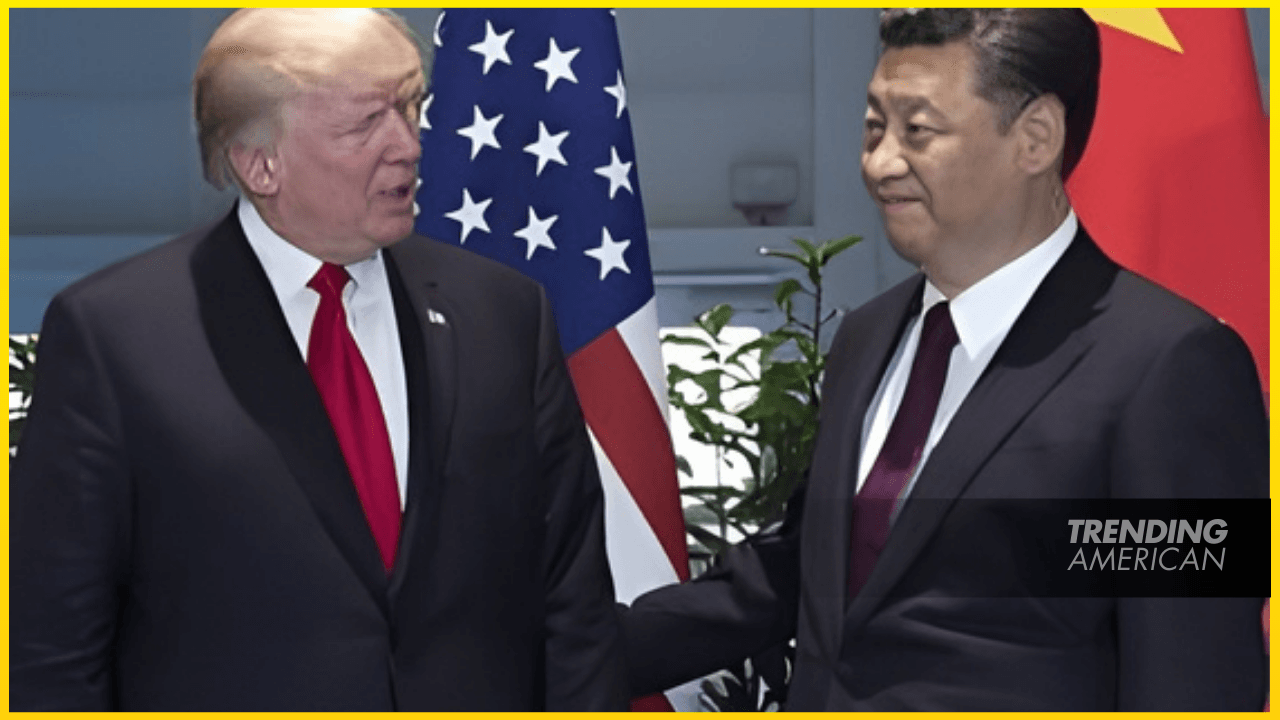
Raja Krishnamoorthi’s Foreign Affairs piece argues that President Donald J. Trump’s approach to China misreads the Chinese Communist Party’s ambitions and treats Beijing as primarily a trade problem. The author contends that the CCP’s long-term goals—shaping regional order, advancing technological leadership, and testing U.S. resolve—demand more than tariff skirmishes or selective concessions. In short, Trump’s strategy relies on short-term leverage that fails to deter Beijing’s broader aims.
To counter Beijing effectively, the piece prescribes a sustained, alliance-based competition. Key elements include revitalizing U.S. production, investing in people and STEM education, and rebuilding domestic manufacturing capacity. The argument emphasizes strengthening ties with allies in Europe, Asia, and the wider Indo-Pacific, and defending shared democratic values as a coherent counterweight to China’s rise. It cautions against viewing trade friction as the sole battleground and argues that long-run success will depend on the United States outbuilding, out-innovating, and outlasting the CCP rather than simply negotiating its terms.
The article notes that concessions secured or conceded under Trump—such as a suspension of some U.S. port fees for Chinese ships and looser export controls on certain American technology—signal that Beijing gains leverage when Washington trades away hard-won advantages. There is concern that these steps could undermine U.S. shipbuilding leadership and technological competitiveness if not counterbalanced by deeper domestic investment and stronger alliances.
On Taiwan policy, the piece suggests that Trump’s transactional stance risked weakening Taiwan support by treating relations as negotiable while delaying arms sales and long-term commitments. While not abandoning Taiwan, the approach risked signaling inconsistency at a moment when resilience and steadfast support are crucial.
Looking ahead to Trump’s next meeting with Xi, the author argues for clear red lines: substantial concessions should be contingent on concrete actions—reducing overcapacity, curbing IP theft, halting coercive military activities toward Taiwan and other neighbors, and improving human rights—paired with a sustained push to strengthen American production, science, and alliance networks. The overarching message is that victory in strategic competition will come from continued domestic strength and a robust network of trusted partners, not quick bargains that paper over deeper disagreements.
Disclosure: We may earn a commission when you make a purchase through the ads.