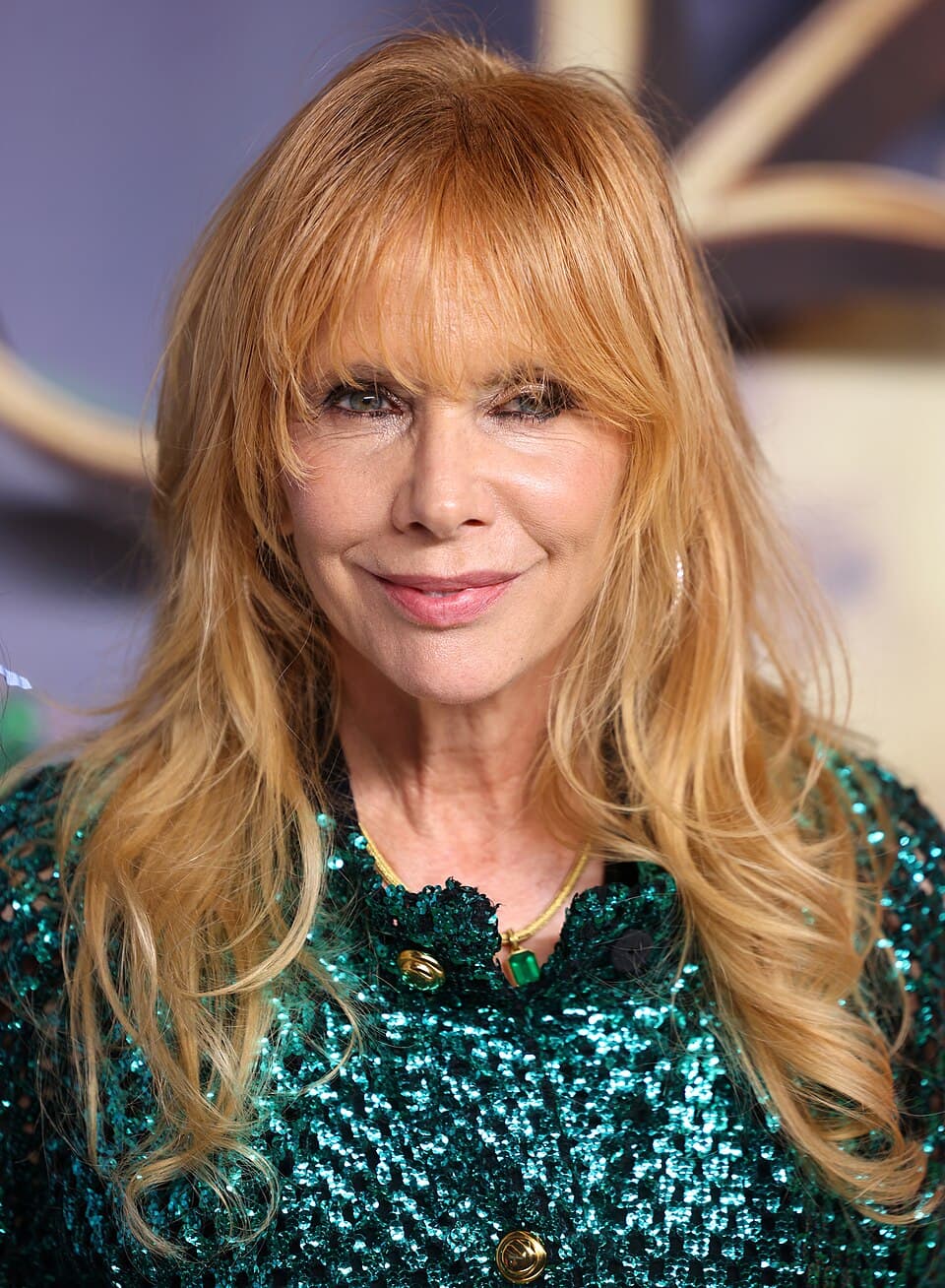
Rosanna Arquette’s restless Roberta helped make Desperately Seeking Susan a defining film of 1980s New York.
The movie’s clothes, music and Madonna connection remain instantly recognizable. But asking what happened to Rosanna Arquette leads beyond that familiar image, into directing, industry conflict and a new generation of collaborators.
As of November 2026, Arquette is still acting and giving interviews about her work. Her recent credits include The Moment, the Charli xcx mockumentary that brought her back into a story about pop fame.
Her path was not an uncomplicated retreat from Hollywood. She has described professional obstacles while continuing to make films of her own.
Desperately Seeking Susan became a lasting calling card
Arquette played Roberta in Susan Seidelman’s 1985 comedy, opposite Madonna as Susan. The story’s mistaken identities gave its central character a way out of an unsatisfying routine.
The performance earned Arquette the Supporting Actress award at the 1986 BAFTAs. It remains one of the clearest markers of her early success.
She also worked with directors including Martin Scorsese on After Hours and Quentin Tarantino on Pulp Fiction. Those films helped build a career that reached beyond a single hit.
In a September 2026 Take 2 Radio conversation, she recalled celebrating Desperately Seeking Susan’s 40th anniversary with Seidelman in Italy the previous year.
The film still brings her into contact with audiences decades later. It also provides only the opening chapter of what she has done since.
She says rejecting Weinstein changed her opportunities
Arquette has publicly connected a difficult period in her career with Harvey Weinstein. In 2017, she accused the producer of sexual assault involving an encounter in the early 1990s.
In a 2018 NPR interview, she said she believed Weinstein had sabotaged her career after she rejected him. She described roles disappearing and new opportunities failing to arrive.
“I had a completely different career,” she said while recalling the aftermath.
These are Arquette’s allegations and her account of their professional impact. NPR also reported that Weinstein denied nonconsensual sexual conduct and claims that he retaliated against women professionally.
Her account matters when discussing why her visibility changed. It does not establish the reason for every role she did or did not receive.
It also does not erase the work she continued doing. A career can suffer serious barriers without ending altogether.
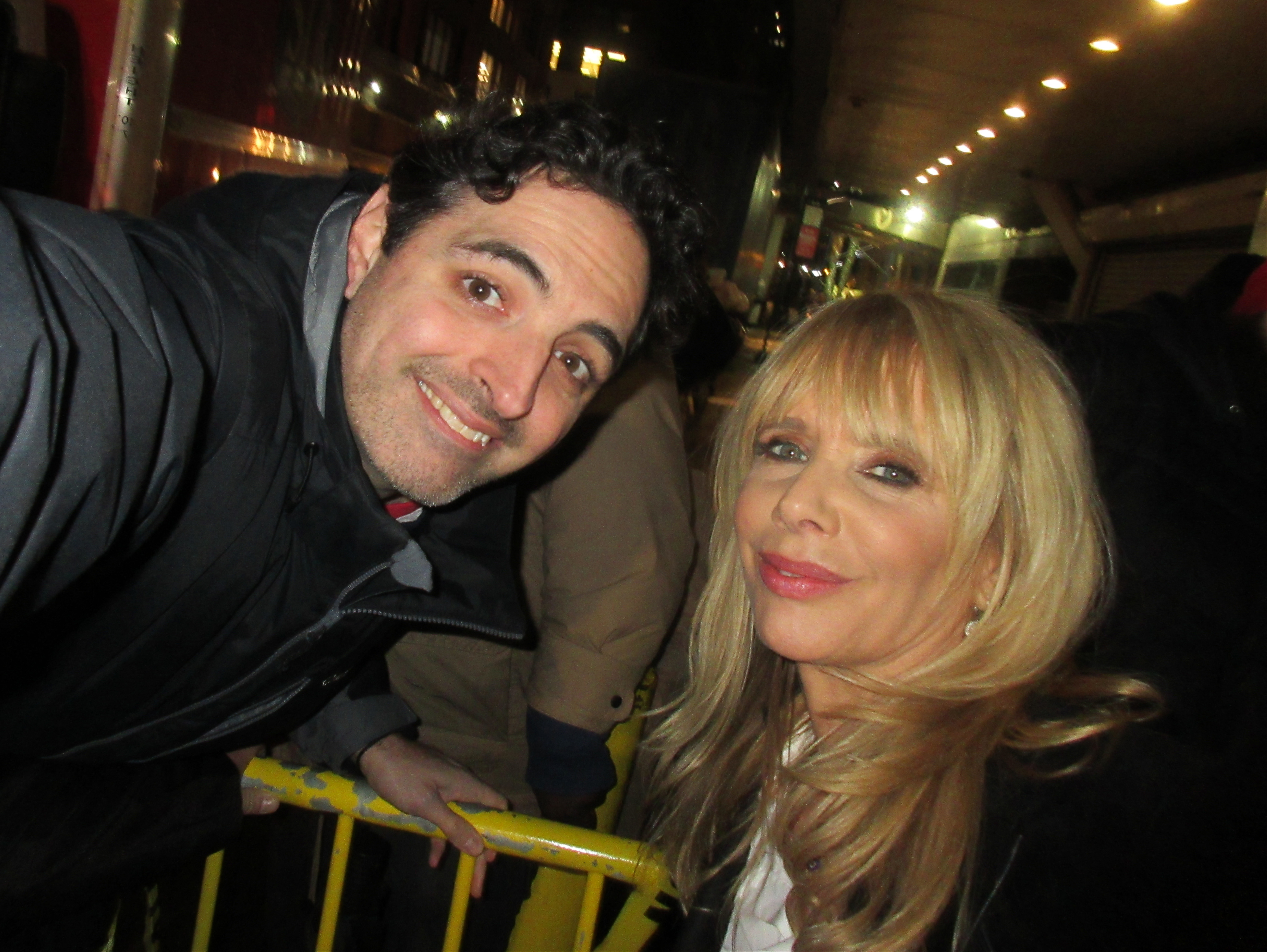
Photo: Greg2600 / Wikimedia Commons, CC BY-SA 2.0.

She turned the camera toward other women’s experiences
Arquette stepped behind the camera for Searching for Debra Winger. The 2002 documentary gathered actresses to discuss their lives and the pressures of working in Hollywood.
The Cannes archive describes a film built from individual interviews and conversations around dinner tables. Its questions extended beyond fame to the experience of sustaining a life and career.
That was a meaningful change in her work. Instead of waiting for a character to be written for her, Arquette was choosing the questions and shaping the film.
She followed it with All We Are Saying. The 2005 Tribeca Festival listing describes her conversations with musicians about creativity, the music business and balancing work with life.
These documentaries help explain what happened during years when she was less prominent as a leading actress. Part of her creative life had moved to the other side of the camera.
The Moment paired her with another pop star
In 2026, Arquette appeared in The Moment as record executive Tammy Pitman. The film stars Charli xcx and explores the pressure surrounding a pop performer’s success.
Arquette told FLOOD in February 2026 that Charli sent her a personal letter asking her to take the role. The singer was familiar with her earlier work.
It is an appealing connection across generations: the actress associated with a Madonna film joining a project led by another pop artist. The role itself, however, puts her on the business side of the story.
Arquette said her long familiarity with people in music helped her understand that world. She also discussed the tension between artists and the people making commercial decisions.
The film reached streaming later in the year. Warner Bros. Discovery announced its HBO Max debut for May 29, 2026.
It gives viewers a recent performance to watch, rather than leaving her story at an anniversary screening.
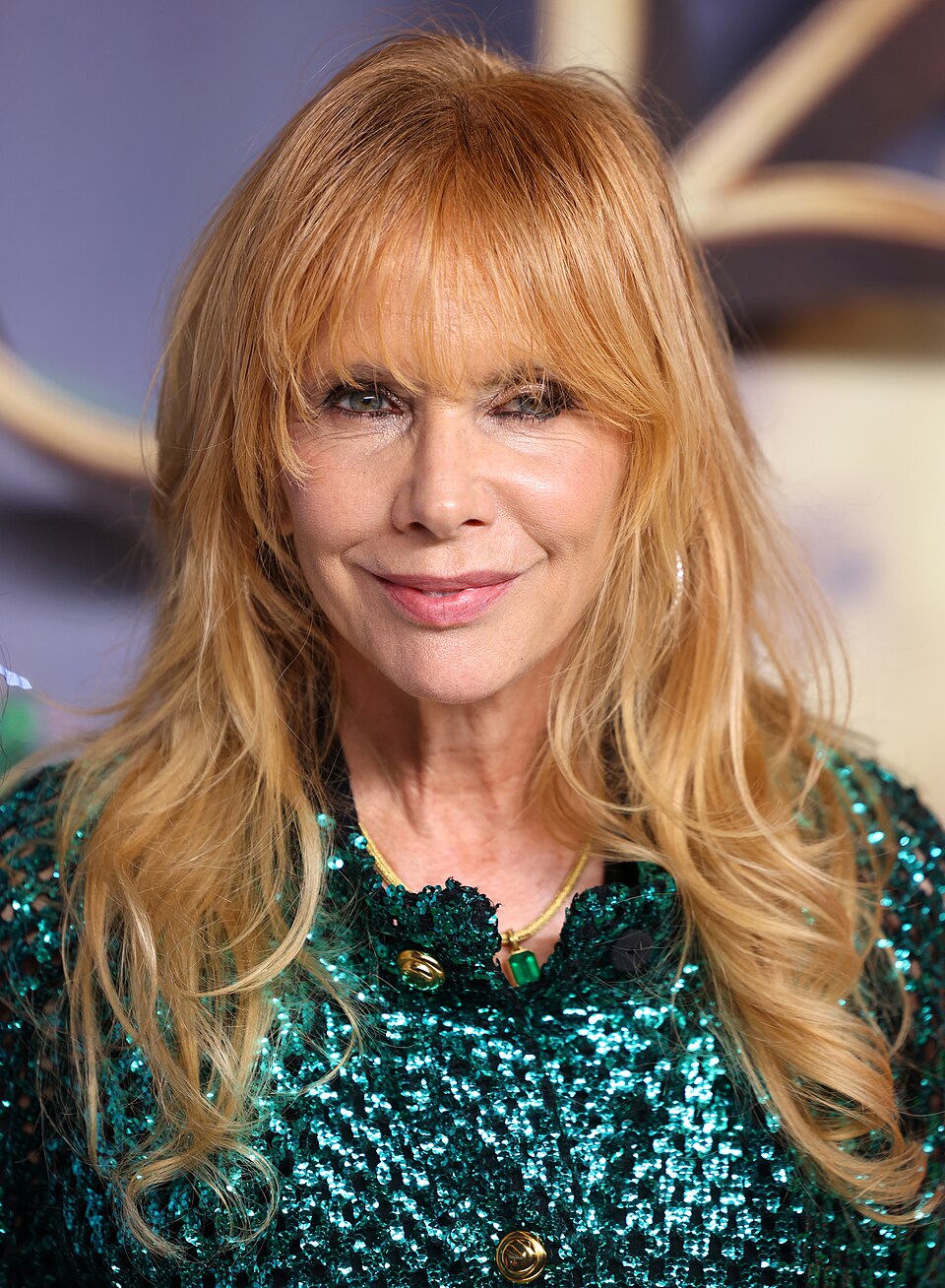
Photo: Gage Skidmore / Wikimedia Commons, CC BY-SA 3.0. Resized image.

Her present includes new work and reflection on the past
Arquette’s recent interviews show an artist still engaged with both her own history and the people working around her. Her Take 2 Radio conversation covered directing, family, advocacy and friendships with fellow performers.
She spoke about the lasting influence of collaborators such as David Bowie and the bond she formed with Seidelman. Those relationships are part of the story behind the credits.
For another look at how familiar actresses’ work develops over time, read about Andie MacDowell’s career beyond her 1990s films.
Arquette’s latest chapter carries a specific irony. After years of questioning how entertainment treats artists, she is playing an executive inside a satire of that same business.
The woman remembered for searching for Susan has spent much of her later career asking who gets heard, who gets opportunities, and who gets to tell the story.