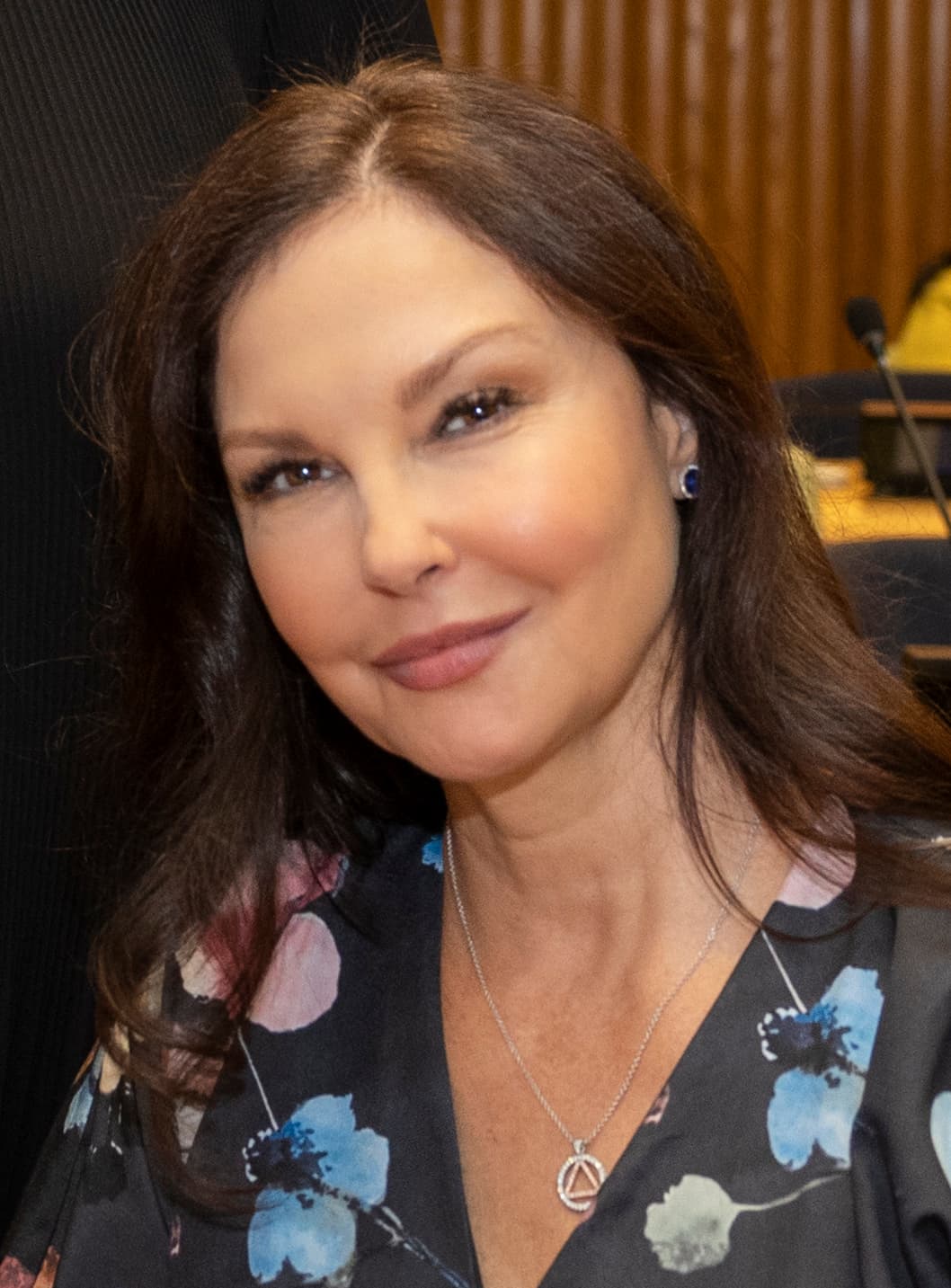
Ashley Judd made fighting back unforgettable in Double Jeopardy, but her life now reaches far beyond Hollywood thrillers.
She has continued acting while devoting substantial attention to humanitarian work. A serious leg injury in 2021 also brought a long recovery into public view. Her later screen work includes Lazareth, released in 2024, and her family's story was revisited in Lifetime's 2025 documentary series.
The answer to what happened to Ashley Judd is therefore more complicated than a departure from acting. Her public life now combines films, advocacy and candid accounts of experiences that changed her priorities.
Ashley Judd built a career beyond the thriller heroine
Judd's film career includes Ruby in Paradise, Heat, Kiss the Girls, Double Jeopardy and High Crimes. Those titles gave audiences several versions of her screen presence, from intimate character work to women confronting danger. The Television Academy's biography also documents her television role in Missing, in which she played Rebecca Winstone, a mother searching for her son.
The thrillers became especially recognizable parts of her identity. Yet treating them as her entire career leaves out the smaller film that still holds a special place for her.
On her own website, Judd describes making Ruby in Paradise in 1993 as perhaps her favorite acting experience. That affection helps explain why her career cannot be measured only by the size of a release.
Her interests also expanded outside performance. She earned a master's degree in public administration at Harvard's Kennedy School in 2010 and published her memoir, All That Is Bitter and Sweet, in 2011.
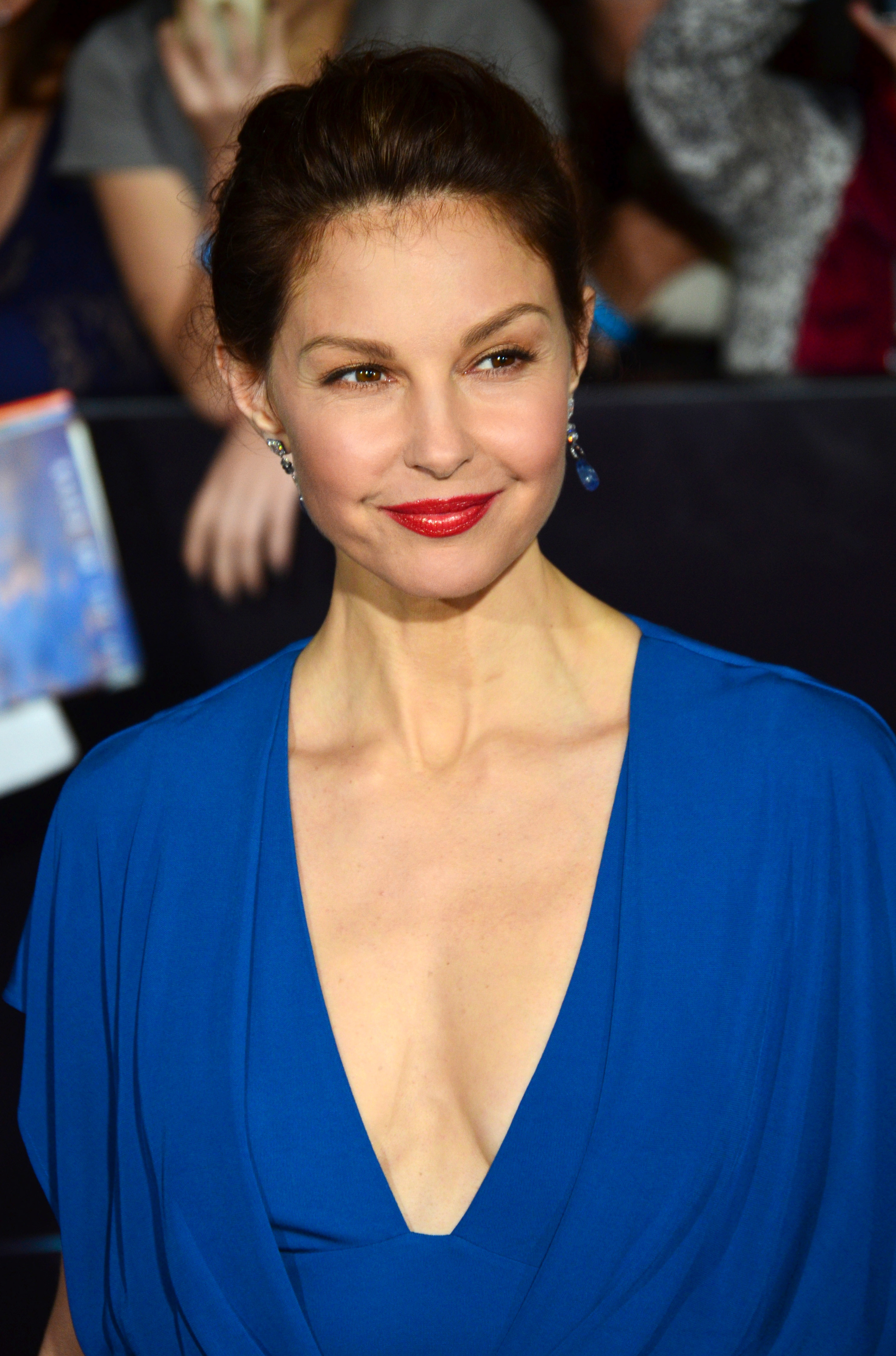
Image source · License: CC BY-SA 2.0

Humanitarian work became a central public commitment
Judd's advocacy is an established part of her working life. In March 2016, the United Nations Population Fund appointed her a goodwill ambassador, recognizing her work on the rights and health of women and girls.
“Being a girl is not a crime, it is a privilege,” she said in the UNFPA appointment announcement.
Her ambassador profile with USA for UNFPA continues to emphasize reproductive health, freedom from gender-based violence and the ability of young people to reach adulthood safely. These are sustained commitments, rather than a single celebrity appearance.
That work also gives context to periods when she has been less visible in mainstream film promotion. A public appearance at an international event belongs to her career, even when there is no movie attached to it.
Readers interested in another actress whose public identity extends beyond screen roles can also explore Brooke Shields' later career and advocacy.
Her 2021 accident led to a long recovery
In February 2021, Judd suffered a severe leg injury in the Democratic Republic of the Congo. Her account describes a lengthy rescue before she reached medical care in South Africa.
The accident happened during a trip connected with bonobo research. In May 2024, Us Weekly reported on her own recovery update, including exercises that required balance, coordination and careful footwork.
The video showed progress, but it was also a reminder of the effort behind that progress. Judd thanked people who had helped her through rehabilitation.
That dated update should not be treated as a complete medical assessment of her condition in 2026. What it does establish is that recovery remained a meaningful part of her story years after the initial accident. It also explains why accounts of her recent life often focus on movement and resilience as much as film credits.
Lazareth showed that acting remained part of her life
Judd returned to a tense, protective role in Lazareth, a film listed by Disney+ as a 2024 release.
She plays Lee, a woman raising two orphaned nieces in isolation. According to the film's distributor synopsis, the arrival of an outsider unsettles the world Lee has built around them.
Katie Douglas and Sarah Pidgeon play the nieces, with Asher Angel also appearing in the cast. Alec Tibaldi directed the film.
The premise gives Judd another character whose desire to protect others becomes central to the drama. It is a different scale of production from the studio thrillers many viewers remember, but it is concrete evidence of continued screen work.
A similarly varied later chapter appears in Helen Hunt's career across film, television and theater.
A family documentary revisited the Judds' complicated history
In 2025, Lifetime presented The Judd Family: Truth Be Told, a four-part documentary series about Naomi, Wynonna and Ashley Judd.
Lifetime's description follows the family's Kentucky beginnings and the emergence of Naomi and Wynonna's musical partnership. Ashley's place within that family is also part of the story.
Archive material and interviews give the series a different purpose from a conventional celebrity career recap. It considers relationships within a family whose members became famous in different ways.
For Ashley, that context matters. Her identity as an actress developed alongside a highly visible musical family, but her professional choices and public commitments have their own history.
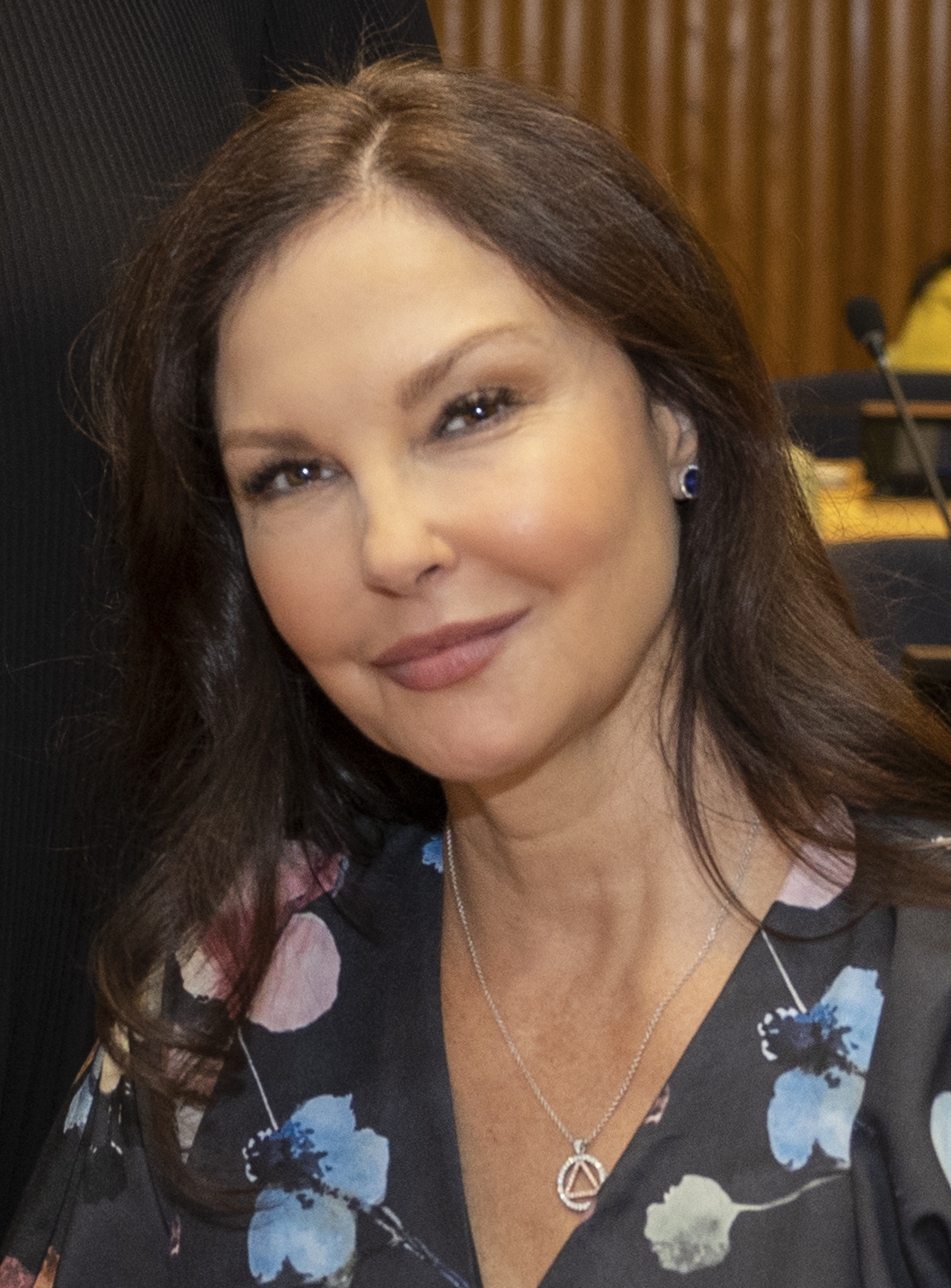
Image source · License: CC BY 4.0

Where Ashley Judd's public life stands now
As of November 2026, Judd's documented recent work spans acting, humanitarian advocacy and participation in the public telling of her family's history.
Her career has changed in visibility and emphasis. The available record does not support describing her as retired or claiming that one event explains every professional decision.
The woman audiences remember from Double Jeopardy remains an actress. She is also a humanitarian whose work, recovery and family experiences now occupy a larger share of the public conversation.