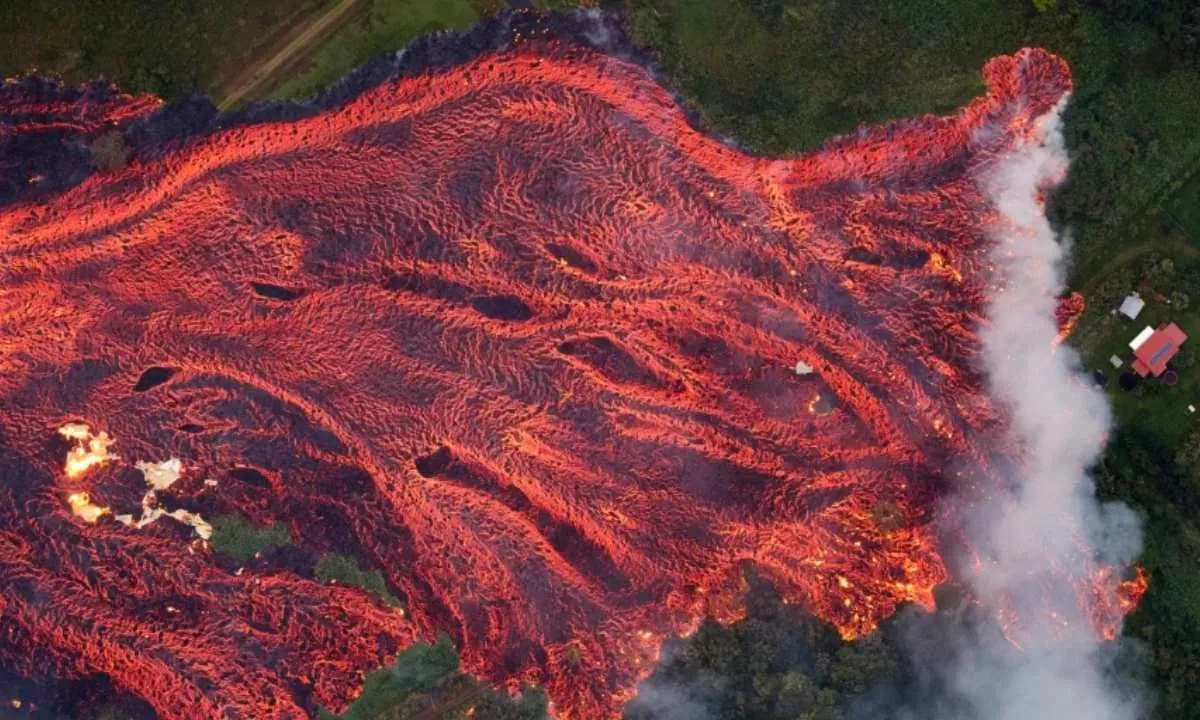
Deep within the lush canopies of the forests near Mount Etna in Italy, an extraordinary tale is unfolding — one that reveals how trees can predict volcanic eruptions. According to a remarkable study by NASA and the Smithsonian Institution, trees that flourish in proximity to this active volcano may possess an uncanny ability to sense the changes beneath the Earth’s surface. This discovery has opened a new chapter in how we understand and predict volcanic activity.
For years, volcanologists have struggled with the unpredictability of eruptions. However, recent research published in *Remote Sensing of Environment* has unleashed a fascinating correlation between tree health and volcanic activity. As magma bubbles beneath the surface, it releases increased levels of carbon dioxide. This surge is noted not just on scientific instruments but also in the vibrant greenery of the trees surrounding the volcano.
‘The closer a volcano is to erupting, the greener the trees around it look,’ states one of the lead researchers. This is due to the trees absorbing the excess CO2, which supercharges their photosynthesis, leading to darker, more vibrant leaves. This phenomenon has been observed through NASA’s Landsat satellites, which monitor vegetation changes with remarkable clarity.
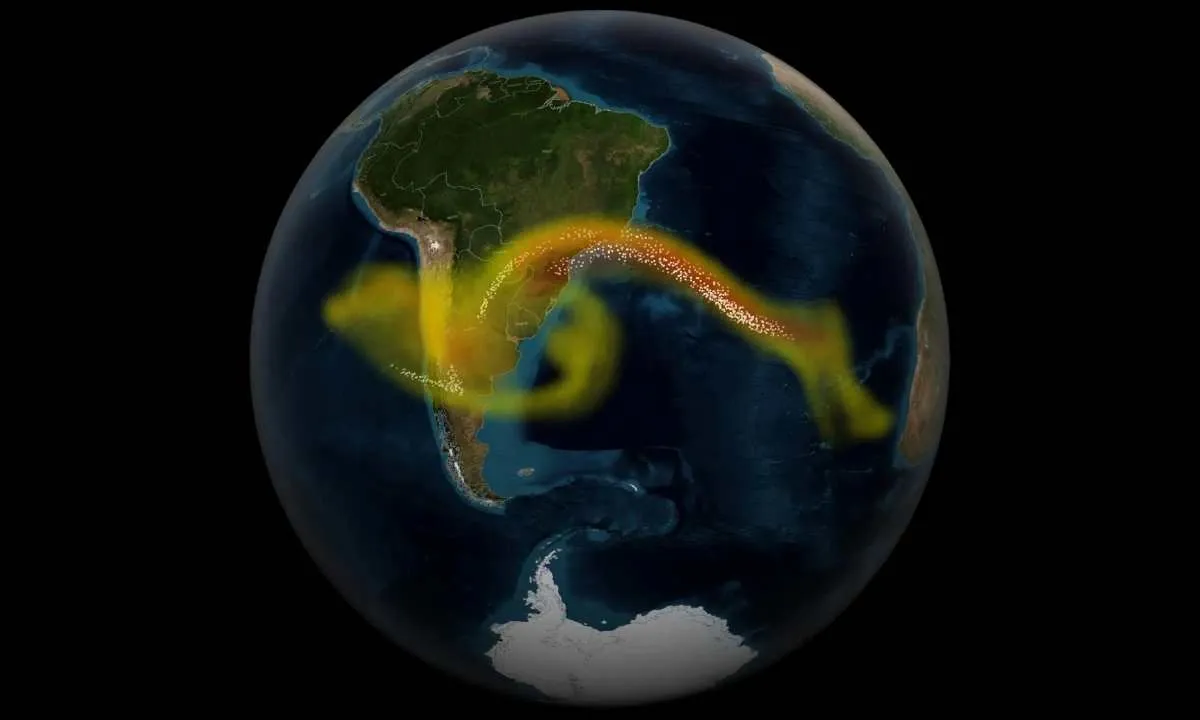
One of the first major breakthroughs came during a focused study around Mount Etna. Researchers compared on-ground sensor data of CO2 levels with satellite imagery, pioneering a method to track the changes in tree health. The results were startling; scientists found a strong relationship between rising CO2 levels and increased tree greenness. As gas levels heightened, so did the intensity of the trees’ color, indicating their subtle distress before any visible signs of eruption.
But how can these color shifts help avert disaster? When a tree’s leaves begin to change in color and reflect light differently, it serves as a natural alarm. By utilizing satellite imagery, scientists can detect these changes remotely, potentially giving communities vital days or even weeks of warning to evacuate ahead of an eruption.
‘This could change the game for how we predict eruptions globally.’
As one scientist remarked,
The ability to remotely observe trees reacting to volcanic activity is especially significant in remote regions. Many active volcanoes are situated in hard-to-reach places, making ground-level monitoring challenging. Now, we have a tool that allows scientists to keep an eye on these volcanoes from thousands of miles away.
This research is not limited to Italy. As NASA expands its studies globally, they hope to gather data from various ecosystems around active volcanoes. In Costa Rica, another study analyzed trees near an active volcano and confirmed that changes in leaf color, driven by underlying geological activity, could be monitored from space.
Furthermore, scientists believe that understanding how trees respond to volcanic gases could lead to enhanced models for eruption prediction, yielding life-saving information to communities living near volatile landscapes.
‘It’s essential to combine satellite data with ground observations to refine our models for volcanic forecasting,’
notes one volcanologist.
Yet, as promising as this data looks, it doesn’t come without its challenges. Some trees may react differently based on their species, and not all volcanoes offer the same dense vegetation for study. The subtleties of each environment must be taken into account as researchers refine their methods.
As scientists continue to unlock the secrets of these remarkable trees, one must wonder about the broader implications of what this means for human resilience against natural disasters. Are we finally edging closer to accurately predicting volcanic eruptions? If trees can signal danger, could there be other elements of nature waiting to be understood? The roots of our interaction with the environment run deeper than we realize, and perhaps, in the quiet whispers of the trees, lies crucial information.
As we move forward in studying this dynamic relationship between vegetation and volcanic activity, it’s worth contemplating: In a world where mankind often feels disconnected from nature, what other secrets might the Earth be revealing to us?