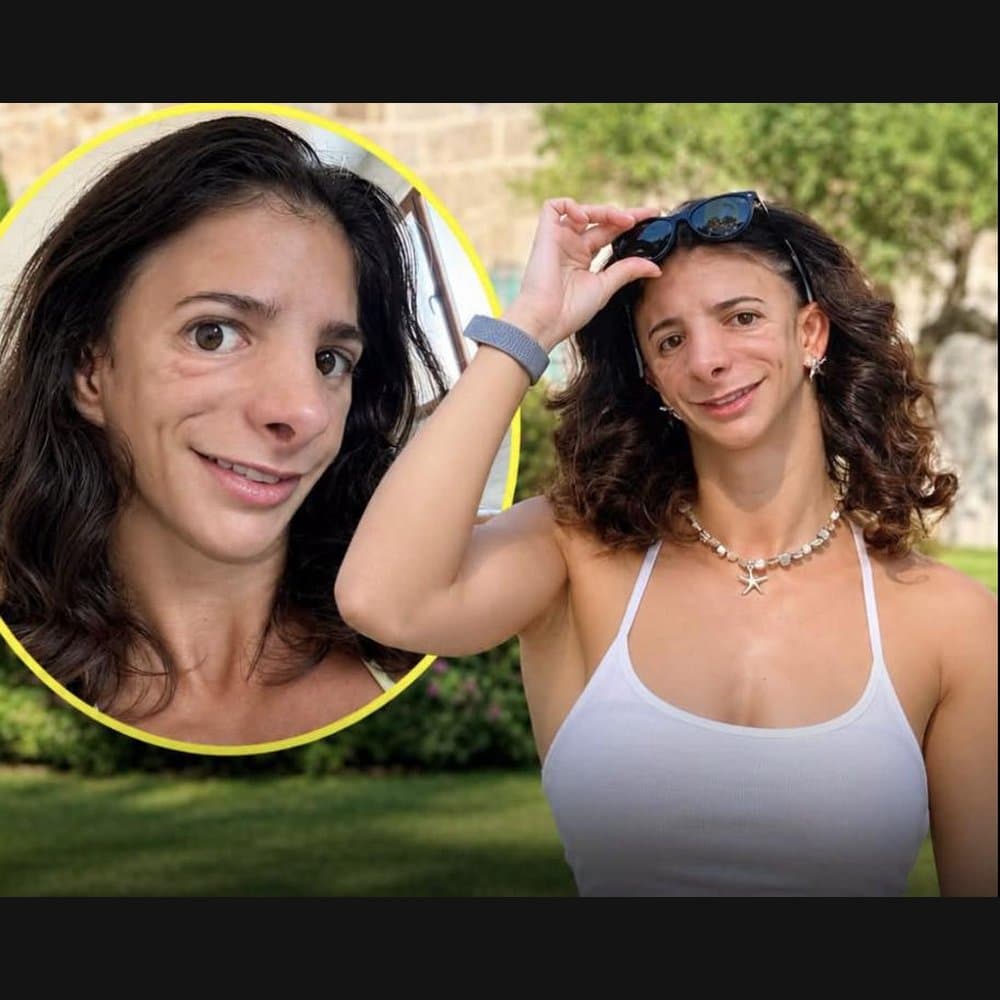
An uplifting caption says a woman who was bullied for her appearance later learned to embrace her individuality. The message is appealing, but the supplied story does not identify the woman or provide an interview that establishes her experience.
That missing information matters. A person’s photograph cannot verify a history of bullying, a medical diagnosis or a particular emotional journey. Assigning those details to an unidentified subject risks turning a real person into the character of someone else’s inspirational narrative.
What remains unknown
The material does not establish her name, age, location or the date of the photographs. It also does not provide her own words about childhood, confidence or how she wants her appearance discussed.
Without those details, it would be inappropriate to identify her by resemblance to another public figure or diagnose a condition from a photograph. It would also be misleading to invent quotations about self-acceptance.
Let the subject tell her story
A publishable personal profile would need an original account: an interview, a verified personal post or reporting that clearly identifies its subject and explains how the information was obtained. The original photograph’s source and publication permission would need checking as well.
The broader principle requires no invented biography. People deserve respectful treatment regardless of appearance. But a factual article should let a person’s documented experience carry that message.
For now, the specific biography in this viral caption remains unverified. This draft records the limits of the available material rather than presenting those claims as established facts.