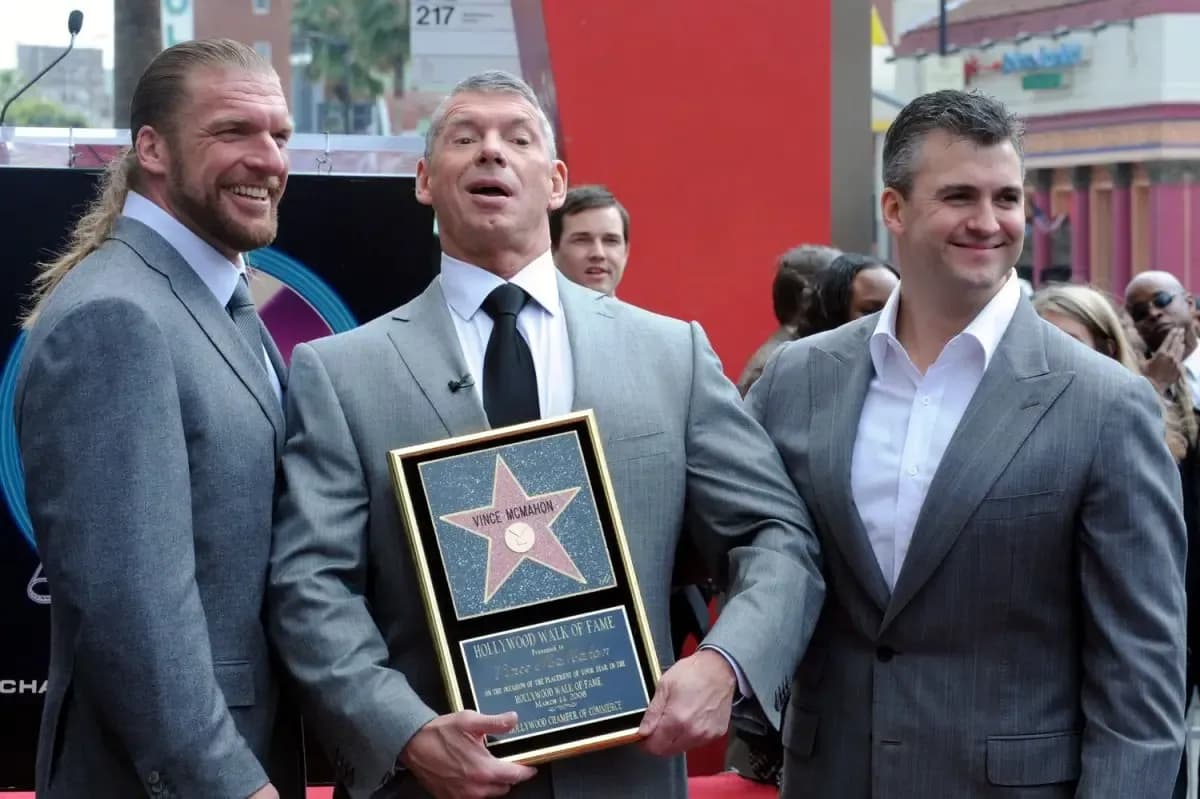
The Legacy of Vince McMahon in Professional Wrestling
Vince McMahon is arguably one of the most influential figures in the annals of professional wrestling. Over several decades, his vision radically transformed WWE from a regional attraction into a globally recognized entertainment brand. As a creative force, Vince McMahon masterminded the rise of unforgettable events like WrestleMania and popularized legendary wrestling icons, such as Hulk Hogan and Stone Cold Steve Austin. His ability to bridge sport and spectacle has set a standard in sports entertainment that many still strive to emulate today.
McMahon’s entrepreneurial ambition established WWE as an entertainment powerhouse and helped professional wrestling find a place in mainstream culture. His bold innovations included incorporating celebrity appearances, pyrotechnic displays, and record-breaking pay-per-view events. This blend of sports and entertainment catapulted WWE into international markets and left an enduring legacy that continues to shape the future of wrestling.
Recent Developments Surrounding McMahon’s Return
In early 2023, WWE made headlines after McMahon resumed his role on the board of directors, determined to steer the company through a pivotal period of media rights negotiations. His return was motivated by a desire to secure WWE’s position in the crowded and highly competitive entertainment landscape. This unexpected move ignited discussion across the industry, with fans and analysts considering its potential short- and long-term effects.
These developments come at a critical juncture for WWE, as the company navigates evolving viewership habits, digital streaming trends, and the increasing importance of global markets. As McMahon steps back into a leadership role, questions abound regarding the possible recalibration of the company’s creative and commercial strategies—some see it as a bid to recapture faded glory. In contrast, others worry about the risks of returning to older paradigms.

Potential Impacts on WWE’s Creative Direction
Industry observers focus on how McMahon’s return may shift WWE’s storytelling and character development. Throughout his career, McMahon has been known for his bold approach—at times groundbreaking, at others divisive. His era defined many of WWE’s most memorable storylines but also saw criticism over creative decisions perceived as outdated or tone-deaf to younger audiences.
During his absence, a fresh creative vision led to revamped storylines and improved reception among fans and critics. The juxtaposition raises essential questions: Will McMahon lean into the nostalgia that powered wrestling’s heyday, or will he foster innovation to appeal to a new generation? WWE’s ability to thread this needle could determine whether wrestling’s next phase is truly golden or merely a pastiche of its greatest hits.
Financial Implications and Media Rights Negotiations
McMahon’s primary objective upon returning is to oversee WWE’s crucial media rights negotiations, a task requiring not only vast industry knowledge but also shrewd strategic thinking. Securing lucrative broadcast and streaming deals in today’s fragmented media environment is vital to WWE’s continued profitability and reach. McMahon’s track record in negotiating with broadcasters and media conglomerates is unmatched, and stakeholders hope his involvement will drive favorable outcomes.
As global demand for sports content grows, competition for programming like WWE remains fierce. The next round of media contracts could redefine WWE’s profitability and its exposure across emerging platforms—making these negotiations one of McMahon’s most consequential undertakings. For context, comparable shifts are being noted across significant sports entertainment properties, shaping the financial future of the entire industry.
Reactions from Fans and Industry Professionals
The wrestling community is deeply divided on McMahon’s return. For some, his comeback signals a return to the energy and spectacle of the 1980s and late 1990s—when wrestling captured mainstream interest and WWE was an unstoppable cultural force. Others take a more cautious stance, remembering well-publicized controversies and creative missteps. Wrestlers have also weighed in, with some welcoming the possibilities of collaboration and renewed focus, while others express concern about changes in backstage culture or creative direction.
Industry insiders note that the fusion of traditional vision and new-age innovation will be critical to winning over skeptics. As the WWE locker room adapts to potential changes, morale and trust between leadership and talent remain as pivotal as ever in harnessing McMahon’s expertise for collective success.
Comparisons to Wrestling’s Golden Age
Many comparisons have been drawn between McMahon’s return and professional wrestling’s so-called “Golden Age”—a period remembered for electric atmospheres, iconic matches, and soaring television ratings. During that era, WWE outpaced rivals and became synonymous with American pop culture. However, the media and sports entertainment landscapes have changed dramatically since then.
Today’s audiences expect diversity, inclusiveness, and relevance alongside spectacle. If WWE under McMahon can adapt its formula to these new expectations, the company could experience a contemporary renaissance. The challenge will be blending historical strengths—storytelling, star power, big-event sensibility—with the agility to attract a digital-first, globally diverse demographic.
Challenges and Opportunities Ahead
Reigniting the spirit of wrestling’s best years will require confronting tough challenges. McMahon must balance the nostalgia that energizes longtime fans with innovations that intrigue newer ones. Technological change, shifting fan preferences, and an increasingly competitive entertainment market amplify every decision’s risks—and rewards.
Furthermore, internal dynamics are as important as public perception. How McMahon manages relationships with wrestlers, staff, and creative teams will play a defining role in WWE’s ability to capitalize on emerging opportunities. Embracing generational change without alienating its base is a tightrope act—one that, if managed astutely, could reestablish WWE at the apex of the entertainment world.
Conclusion
Vince McMahon’s return to WWE marks a pivotal chapter in professional wrestling history. Whether this move will usher in an era reminiscent of wrestling’s Golden Age depends on the company’s ability to harmonize proven philosophies with bold, forward-looking innovation. What’s certain is that McMahon’s reemergence ensures WWE—and the wrestling world—will remain at the center of the cultural conversation for the foreseeable future.
Disclosure: We may earn a commission when you make a purchase through the ads.