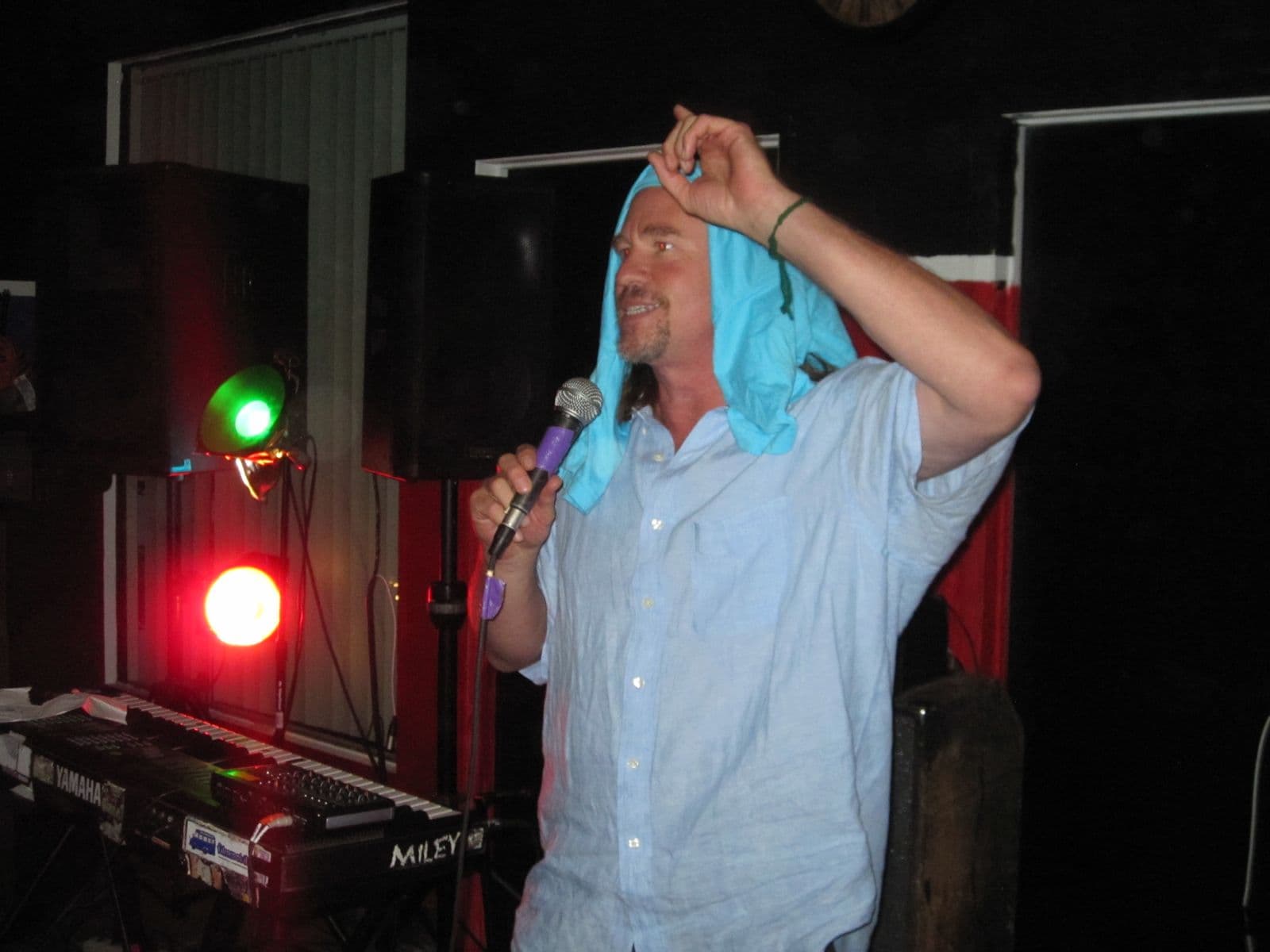
When Robby Krieger watched Val Kilmer portray Jim Morrison, the resemblance could feel unsettling.
“It was scary sometimes how much he was like Jim,” the Doors guitarist said in a 1991 interview preserved by The Tapes Archive.
Kilmer's performance in The Doors, Oliver Stone's 1991 film, involved more than looking like a famous singer. He had to make the music feel convincing, too.
A role that required a voice
Stone later explained that the production could have relied entirely on Morrison recordings for the singing. Kilmer's ability gave the filmmakers another option.
In a retrospective interview published by RogerEbert.com, Stone praised Kilmer's voice and recalled putting him together with Paul Rothchild, the producer closely associated with the Doors.
They worked on the songs and recorded material for the film.
That partnership connected an actor preparing for a role with someone who had worked directly with the musician he was portraying.
The preparation behind the performance
Kilmer rehearsed for six months, learning 50 songs with 15 performed onscreen; Rothchild said bandmates misidentified the singer 80% of the time. 1991 report
That kind of recollection conveys a strong impression. It should be read as a production anecdote, rather than the result of a controlled listening experiment.
The broader preparation also involved the other actors playing the band. The American Film Institute's catalog records musical coaching from Krieger, drummer John Densmore and Rothchild for the concert reenactments.
Creating a believable band on screen required the performers to learn how their characters moved with the music, as well as what they played.
Was Kilmer really singing?
Yes—Kilmer's vocals were used in the film. But the finished soundtrack was more complicated than a single singer performing every note.
AFI explains that the filmmakers obtained the Doors' original master tracks. Sound engineers could separate Morrison's singing from the instrumental recordings and bring in Kilmer's voice.
The catalog also describes prerecorded onscreen vocal music and a mobile recording truck used to capture material on set.
These are different parts of making a musical performance for cinema. The person audiences see singing, the recording made during filming and the final audio mix do not always come from one take.
Kilmer's contribution was substantial, while Morrison recordings also remained part of the production.
Praise for the acting, questions about the story
Krieger's admiration for Kilmer did not mean he accepted every part of the film's portrait.
In the archived interview, he said Morrison could be kinder than the movie suggested. He wanted people to remember the musician he had known during the band's early songwriting years.
AFI likewise records both praise for Kilmer's performance and criticism of Stone's approach.
That distinction matters. An actor can create a persuasive character while the larger film remains a debated interpretation of a real person's life.
Listening beyond the resemblance
Kilmer's performance remains interesting because it sits between acting and musicianship.
Vocal coaching and musical preparation helped him create more than a visual likeness. People who had known Morrison recognized something familiar in the result.
The achievement belongs to that work: listening closely, practicing the music and finding a way to make a remembered performer feel present on screen.
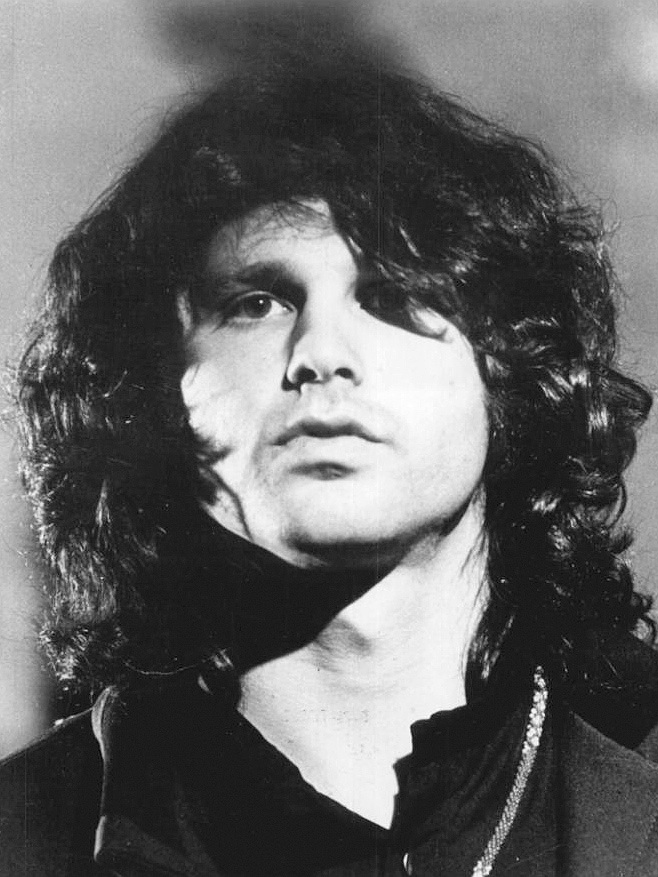
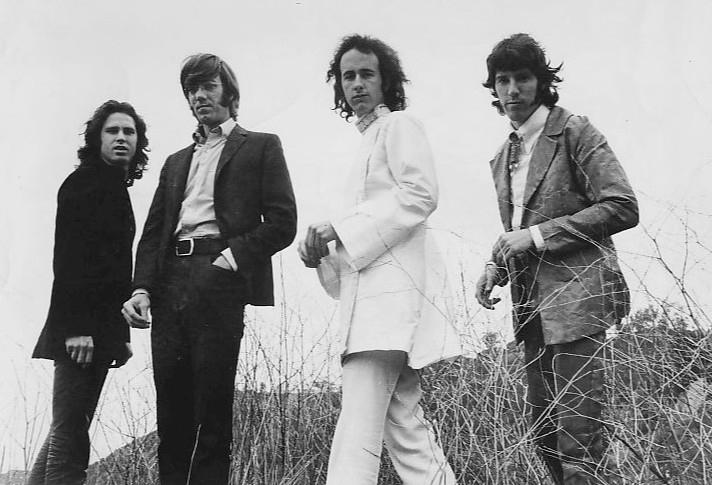
Photograph credits: Kilmer at Pehrspace, Seanwilliamcarney, CC BY-SA 4.0; Jim Morrison portrait and the original Doors, Elektra Records publicity photographs, public domain in the United States.


