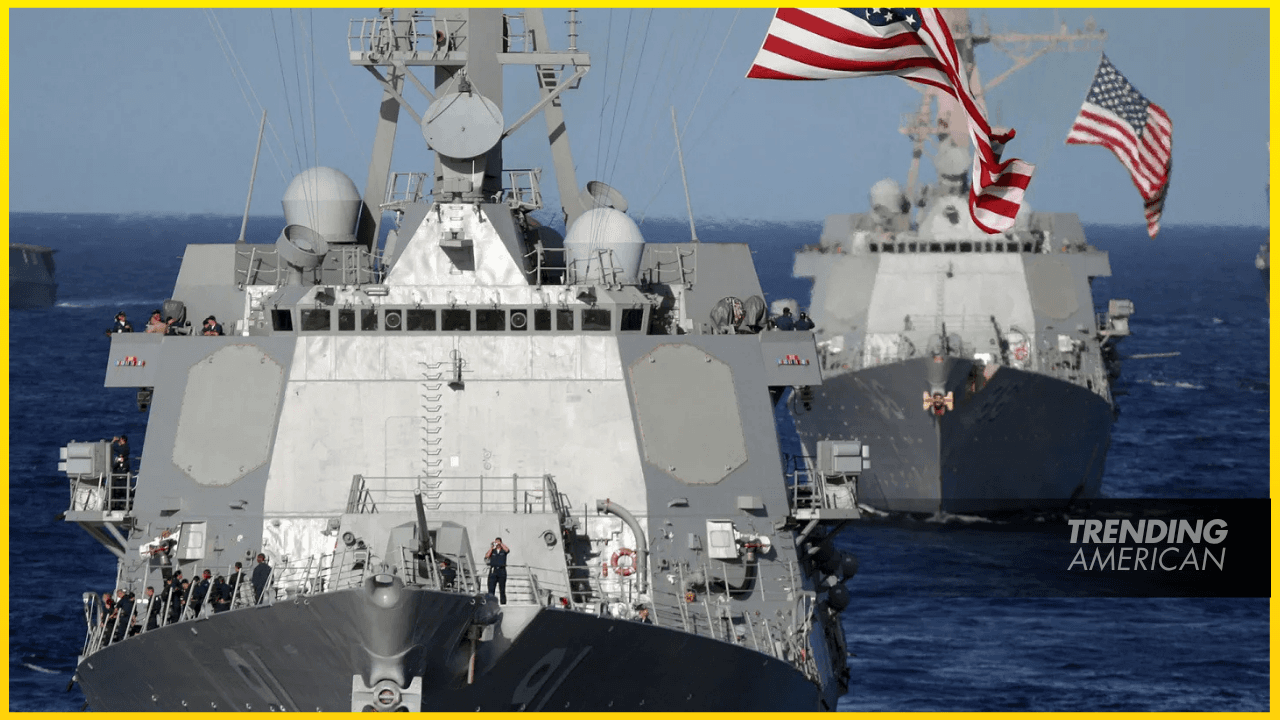
The arrival of the USS Gerald R Ford, the United States’ most advanced aircraft carrier, in the Caribbean near Venezuela is shaping up as a pivotal move in a high-stakes geopolitical standoff. This deployment underlines the Trump administration’s intensified focus on dismantling alleged narcoterrorism networks tied to Venezuela’s leadership, labeled by the White House as ‘foreign terrorist organizations.’
The carrier’s presence accompanies over 21 military strikes this fall on supposed drug-smuggling vessels, resulting in approximately 80 fatalities. President Trump brands these actions as necessary to curb drug trafficking into the US and Europe. Meanwhile, Caracas views this as an ominous prelude to forced regime change.
Key US figures, including Secretary of State Marco Rubio, have accused Venezuelan President Nicolas Maduro of running a drug cartel responsible for terrorist acts—claims not thoroughly substantiated, drawing criticism from international law experts.
As the military maneuvers unfold, ‘Operation Southern Spear’ brings an increased deployment of US naval forces, with Rear Admiral Paul Lanzilotta underscoring their commitment to regional security.
Concerns loom large in Trinidad and Tobago, a nation strategically placed just 11 kilometers from Venezuelan shores, as officials there begin joint drills with US forces.
President Maduro, accused yet defiant, declares Venezuela’s readiness to resist perceived US aggressions, mobilizing troops in a show of resolve.
Disclosure: We may earn a commission when you make a purchase through the ads.