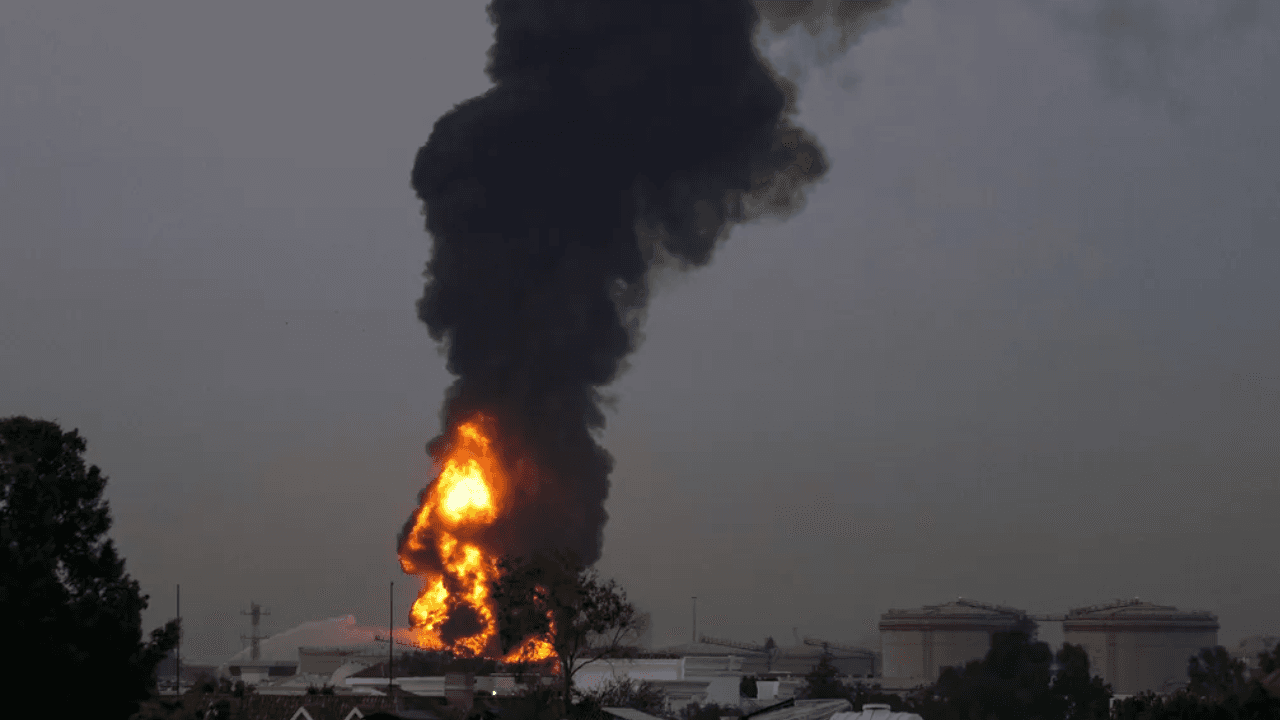
The fight for one of the world’s most important shipping routes has entered a dangerous new phase.
The United States has launched fresh military strikes on Iranian targets near the Strait of Hormuz in an effort to reopen the vital waterway.
The move comes as global oil supplies face severe disruption.
Officials say the mission could take weeks to fully succeed.
US Deploys Heavy Firepower
The Pentagon has sent A-10 Warthog aircraft and Apache helicopters into the region.
These aircraft are targeting Iranian naval vessels, drones, and mine-laying operations.
U.S. Central Command released footage showing strikes on Iranian assets near the strait.
More details on operations can be found on the U.S. Central Command website.
Why the Strait of Hormuz Matters
The Strait of Hormuz is one of the most critical shipping lanes in the world.
About 20 percent of global oil and liquefied natural gas passes through this narrow waterway.
Its closure has pushed oil prices above 100 dollars per barrel.
Global markets are closely watching developments in the region.
Energy impacts have been widely reported by outlets such as Reuters.
Inside the US Military Strategy
The Pentagon is carrying out a multi-stage plan to remove Iranian threats.
This includes targeting fast attack boats, naval mines, and missile systems along Iran’s coastline.
General Dan Caine said U.S. forces have already destroyed more than 120 vessels and dozens of mine layers.
He added that operations will continue until the threat is reduced.
Clearing the Strait Will Take Time
Experts warn that reopening the strait will not happen quickly.
Iran is believed to have hidden stockpiles of mines, missiles, and boats in underground facilities.
These assets allow Iran to continue threatening ships even after strikes.
Analysts say it may take weeks before safe passage is restored.
Risk Remains Even After Operations
The Strait of Hormuz is only about 24 miles wide at its narrowest point.
This makes it highly vulnerable to missile attacks and naval threats.
Experts say even after major operations, some risk will remain.
Ships may still face occasional attacks as long as Iranian capabilities exist.
Global Stakes Continue to Rise
The ongoing conflict has major implications for global energy and trade.
Higher oil prices are already affecting economies around the world.
The United States and its allies are working to secure the route and restore normal shipping.
For now, the battle for the Strait of Hormuz remains one of the most critical fronts in the war.