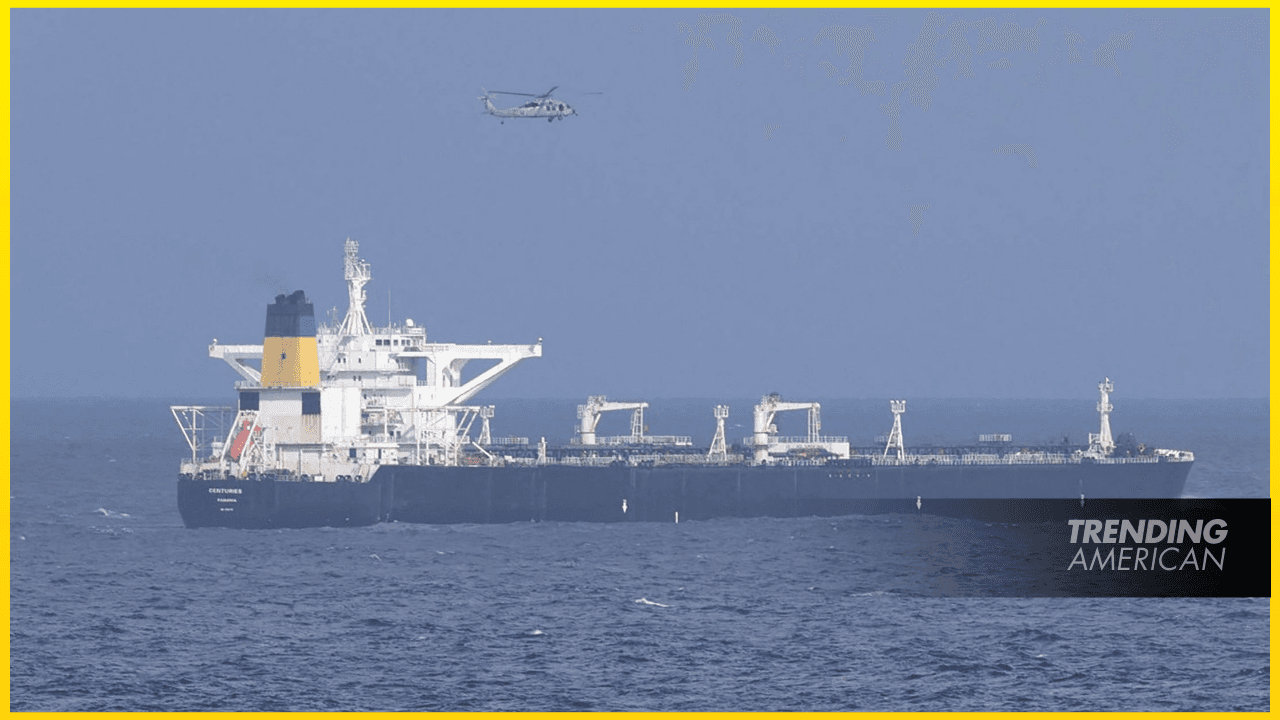
In the Caribbean Sea off Venezuela’s coast, US authorities intensified sanctions enforcement by pursuing a sanctioned oil tanker linked to the so‑called “dark fleet,” the third vessel targeted in a widening effort to choke Maduro’s oil revenues. The operation involves the US Coast Guard and other US officials who are actively pursuing the vessel in international waters, as Venezuela’s Maduro government remains implicated through the sanctions regime on its oil sector.
The pursuit occurred around December 21–22, 2025, with reports noting that two tankers had already been seized in the preceding days as Washington expands a blockade designed to curb sanctions evasion. The latest interception underscores Washington’s willingness to escalate pressure on Caracas by targeting the external shipping network that carries Venezuela’s crude to global markets.
The activity unfolded off the coast of Venezuela in the Caribbean Sea, in international waters. The maritime operation signals the US stance that sanctions enforcement is not bound by national borders and will pursue sanctioned assets wherever they transit.
Officials say the US Coast Guard, in coordination with other US authorities, is pursuing the third sanctioned tanker as part of a broader crackdown. The tanker is associated with a “dark fleet”—a collection of vessels used to move oil while masking ownership and routing to evade sanctions. Venezuelan authorities under Nicolás Maduro are implicated through the sanctions regime, though direct engagement with the ship is occurring at sea with US-led enforcement teams. This effort follows previous seizures intended to disrupt the Maduro regime’s oil revenue streams.
Analysts and critics have raised questions about the legality and potential rights issues tied to interdictions at sea, particularly when called “international piracy” by some opponents of the policy. Others warn that a rapidly expanding blockade could risk escalation or provoke diplomatic backlash from allies and regional actors. Proponents argue that the move is a necessary step to deter sanctions evasion and to pressure Maduro’s government to change its policies.
Supporters say choking off illicit oil exports reduces revenue for Venezuela’s state and curbs illicit trade, potentially reducing Maduro’s leverage. Opponents warn that repeated seizures and confrontations on the sea lanes could destabilize the Caribbean region, complicate maritime commerce, and invite retaliatory measures.
Multiple outlets have covered the development, including Al Jazeera, Channel News Asia, Fox News, GCaptain, KDH News, and Newsday, which collectively describe the third interception as part of a broader sanctions crackdown and discuss related legal and geopolitical implications.
For readers seeking more detail, the cited reports provide additional context on the pursuit, the vessels involved, and the broader policy debate surrounding sanctions enforcement in the region.
Disclosure: We may earn a commission when you make a purchase through the ads.